Affordable swimwear belongs in the rhythm of real life: laps before breakfast, a paddle across a quiet cove, or a pool day that somehow turns into dinner on the patio. The most useful swimsuits balance a comfortable fit with fabric and construction suited to those plans. One-piece swimsuits offer a connected silhouette without a separate waistband, while bikinis and tankinis allow more flexibility when pairing different top and bottom sizes. Each shape can deliver a different feel, from streamlined and sporty to relaxed and playful, without asking anyone to fit a particular beach-day mold. Coverage is personal, too. A higher neckline, fuller seat, or longer tankini top may feel right for one swimmer, while an open back or less coverage suits another. Neither choice needs an explanation beyond feeling good wearing it. For two-piece options,
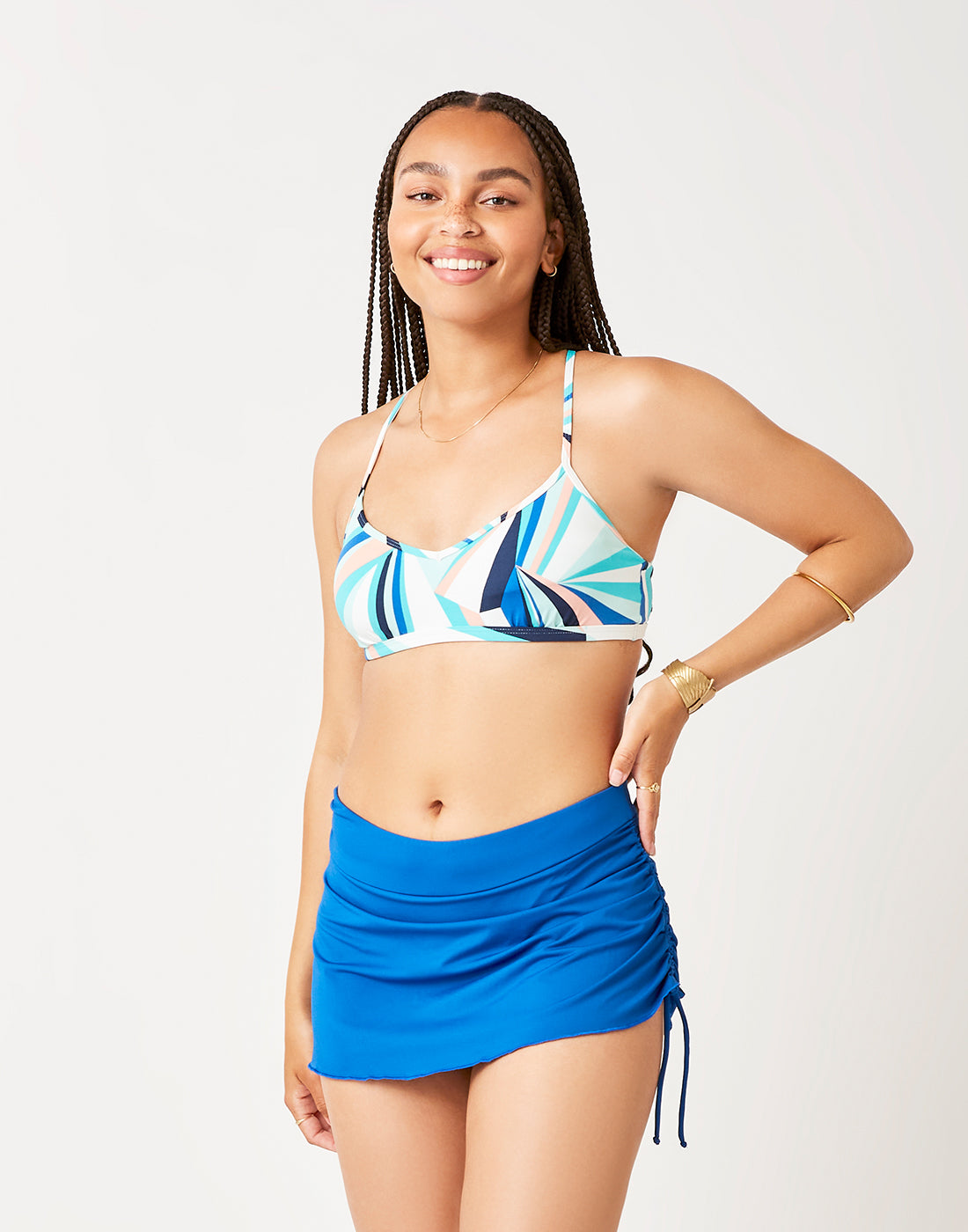
affordable bikinis offer a natural place to explore the appeal of separate tops and bottoms, whether the goal is a coordinated look or a mix of colors and prints. A simple solid can work alongside a lively pattern, and a familiar silhouette makes it easier to get dressed for another dip without turning the process into a project. Swimwear also earns its place beyond the water: a one-piece can sit comfortably beneath loose pants for the walk back from the beach, and a bikini top can layer under an easy shirt between swims. The details that matter most are often quiet ones, such as a waistband that lies flat, a lining that feels smooth, and straps that stay put without digging. Those qualities help a swimsuit feel like part of the day rather than something that needs constant attention. For frequent swimmers, occasional vacationers, and anyone happiest within reach of a towel, the right suit supports the activity while leaving plenty of room for individual style. A favorite silhouette does not have to do everything; it simply needs to suit the way its wearer likes to spend time in and around the water.
Fit starts with proportions, not just the size printed on a tag. Bust, waist, hip, and torso measurements help clarify how a swimsuit may sit, especially when a one-piece needs enough length through the body to keep the shoulders and leg openings comfortable. A suit should feel secure rather than restrictive, with room to breathe deeply, sit on a pool step, and reach overhead. Fabric that pulls sharply across the body, straps that leave uncomfortable pressure, or edges that roll can signal that a different size or cut would feel better. Separates are particularly useful when the bust and hips call for different sizes, while adjustable straps and ties can fine-tune the fit within a style’s intended range. Bust support depends on several features working together: the underband, cup shape, strap placement, and overall construction. Wider straps may spread pressure more comfortably, and a supportive underband can help keep a top anchored. Removable cups can offer shaping or coverage, though they are not a substitute for a well-fitting top. Bottoms deserve the same attention. A high-rise waist offers more coverage through the middle, a lower rise changes where the waistband rests, and different leg openings affect both the silhouette and freedom to move. Fuller seat coverage can feel reassuring during an active outing, but no coverage level guarantees that a suit will stay in place if the fit is off. Intended use brings these details into focus. Swimming laps calls for secure straps and an uncomplicated shape; paddling adds repeated reaching and twisting; a leisurely soak may put more emphasis on a soft feel and comfortable seams. Trying those motions on dry land, with any hygiene liner in place, gives a more useful impression than standing still in front of a mirror. The goal is not a body that suits the swimsuit, but a swimsuit that comfortably suits the body and the plans ahead.
Materials and care play a large part in how swimwear feels over repeated wears. Many swimsuits use nylon or polyester blended with elastane, also called spandex, to combine stretch with a close fit. Nylon blends often have a smooth hand, while polyester is commonly used where color retention and resistance to pool exposure are priorities; performance still depends on the full fabric blend and construction. Elastane provides stretch and recovery, helping fabric return toward its original shape after it stretches. A ribbed or textured surface changes the look and feel, but texture alone does not establish thickness, support, or durability. Lining, stitching, and the quality of elastic matter just as much. Flat, tidy seams can reduce rubbing, and a suitable lining adds comfort and coverage, particularly when fabric gets wet. Where recycled fibers are identified in fabric details, they provide an option that uses existing material, though fiber content alone does not tell the whole story of a swimsuit’s environmental impact. Keeping a suit in use through thoughtful care is another practical consideration. A fresh-water rinse after swimming helps remove salt, chlorine, and residue, while gentle washing according to the care label helps protect elastic fibers. Avoiding bleach, rough wringing, and high dryer heat can help preserve shape and stretch. A shaded spot with airflow is often better for drying than leaving a wet suit bundled in a bag, and a towel creates a useful barrier against abrasive pool edges or rough seating. Sunscreen belongs on skin, but allowing it to absorb before dressing can help limit transfer onto fabric; any marks should be treated according to the care instructions. For swimwear given as a gift, knowing the recipient’s preferred coverage, usual activities, and sizing makes the choice more personal, particularly if top and bottom sizes differ. Whether chosen for a getaway, regular pool visits, or unhurried time beside the water, a well-considered swimsuit brings together comfort, character, and the kind of practical details that make it a pleasure to wear again.