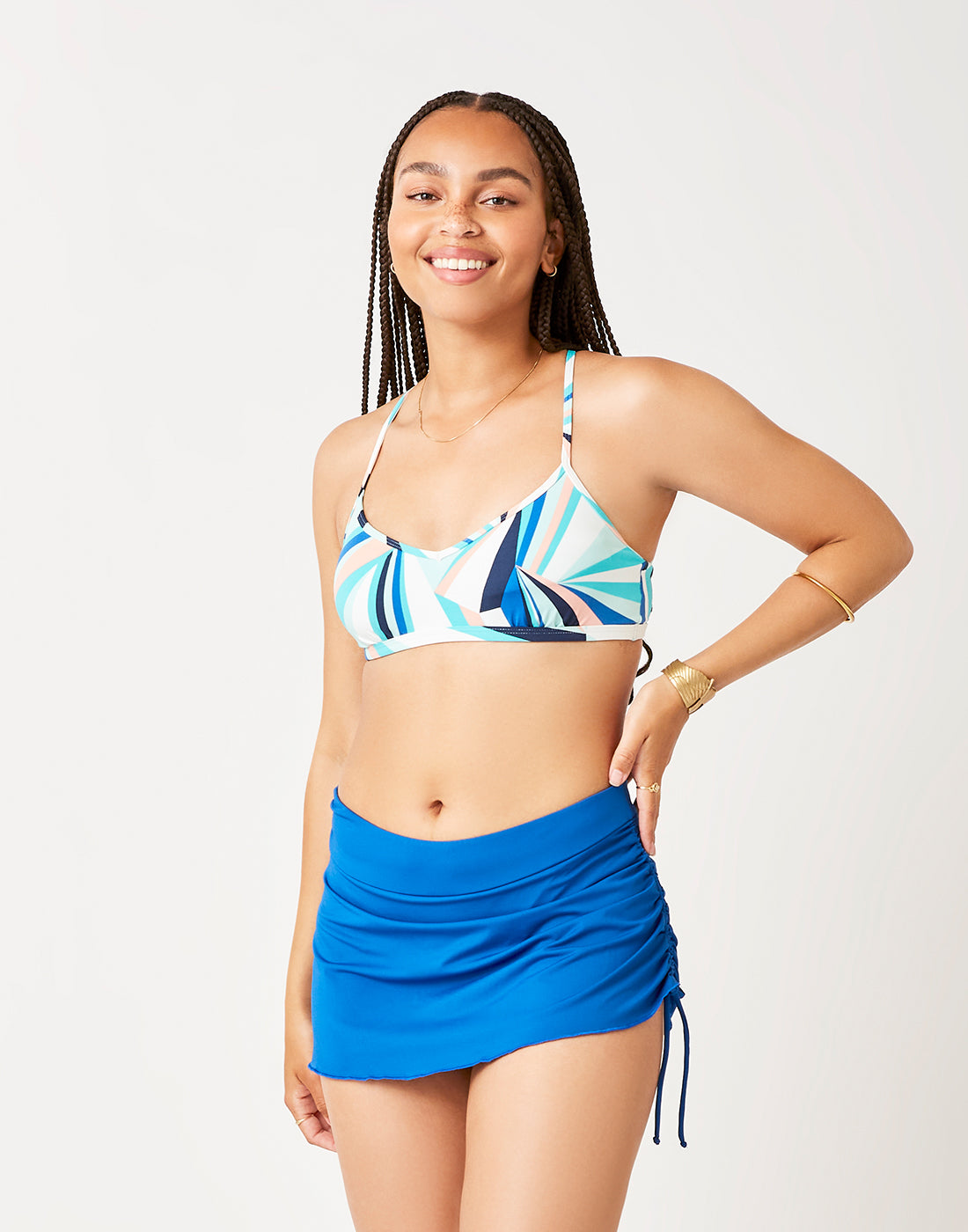
Beach cover ups for petite women bring an easy layer to the space between a swim and whatever comes next: a walk along the shore, lunch beside the water, or a leisurely detour back to the hotel. The most comfortable fit starts with proportion rather than a particular dress size. Petite sizing generally refers to clothing designed for women around 5 feet 4 inches and under, but height alone does not tell the whole story. Torso length, shoulder width, and where a waistline falls all influence how a cover up feels. Short tunics, above-the-knee dresses, adjustable sarongs, and lightweight button-front layers can work especially well because their lengths and shapes are easy to balance on a shorter frame. An above-the-knee hem can leave plenty of room for walking, while a shoulder seam that sits close to the shoulder helps a relaxed silhouette look intentional. A drawstring or tie waist offers flexibility without requiring a close fit everywhere. None of this means a petite beach wardrobe has to stick to short or fitted shapes. A longer cover up can feel just as effortless when its hem clears the ground, its fabric drapes comfortably, and its volume leaves room to move without getting underfoot. Vertical details, including an open button front or a simple lengthwise stripe, can create a continuous line, but personal comfort matters more than any styling rule. Petite bodies come in every shape, and the goal is clothing that follows the wearer’s lead, not clothing that asks anyone to look taller. For a coordinated starting point beneath these easy layers,
Swimwear For Petites offers a related swimwear category to explore. Together, a well-fitting swimsuit and a thoughtfully proportioned cover up make the transition from towel to table feel uncomplicated, with fewer adjustments along the way and more attention left for the view.
Fabric makes a noticeable difference in how a petite beach cover up hangs, packs, and feels against the skin. Lightweight cotton can offer a soft, breathable feel, while linen often brings an airy texture and a relaxed drape that becomes part of its character. Organic cotton is another material to look for when that fiber choice aligns with personal preferences; the fabric label provides the clearest picture of the actual blend. Neither cotton nor linen should automatically be assumed to dry quickly, especially in a thicker weave. Some synthetic blends release moisture more readily, though drying time depends on fabric weight, construction, and conditions. Gauze has a softly crinkled surface that suits a beach bag, while mesh, lace, and open knits let the swimsuit underneath remain visible. These open constructions provide a different level of coverage than a closely woven fabric, so the intended outing matters. A sheer wrap may be exactly right for the walk from a lounge chair to the pool, whereas an opaque dress or tunic can feel more comfortable for a casual meal afterward. Even a fabric that looks opaque when dry may become more revealing when damp or backlit. Coverage also does not equal verified sun protection; a cover up should only be treated as sun-protective clothing when its labeling supports that use. For a shorter frame, fabric weight deserves as much attention as hem length. A light weave can fall close to the body without feeling clingy, while a dense knit or layers of gathers may create more volume than expected. Seams, pockets, and ties affect that balance, too. Low-set pockets can be awkward to reach, and a waist tie that lands below the natural waist can change the whole silhouette. Useful fit details include sleeve length, armhole depth, side-slit placement, and enough room through the hips to sit comfortably. Checking garment measurements against a familiar dress or shirt gives a more reliable sense of length than a photograph alone, particularly when the model’s height differs from the wearer’s.
The appeal of petite-friendly beach layers is their ability to do a little more without becoming fussy. A short sarong allows an adjustable wrap over swim bottoms, while a tunic offers shoulder and torso coverage in one easy piece. A button-front shape can be worn open over a swimsuit or fastened for a more covered feel, provided the cut and fabric suit the setting. For reaching into a tote, climbing steps from the sand, or settling onto a café chair, a secure closure and an easy stride matter more than a perfectly arranged outfit. Wrap styles benefit from enough overlap to stay comfortable while seated, and shorter dresses need a hem that still feels good when bending to pick up sandals. Longer lengths deserve the same practical check: fabric that drags across a boardwalk will collect dirt and wear at the edge. Durability often comes down to small construction details, including securely attached buttons, neatly finished seams, and ties that hold without straining the fabric. Open knits and delicate lace can catch on jewelry, rough seating, or hook-and-loop fasteners inside a bag, so a separate packing pouch can help protect them. Care should always follow the garment label, with particular attention to washing temperature, drying method, and any instructions for preserving texture or stretch. Salt, chlorine, sunscreen, and body oils can leave residue; allowing a damp cover up to sit bundled in a tote can also encourage odors. Letting it dry fully before storage and treating marks according to the care directions helps keep it ready for another outing. Some woven fabrics may shrink with heat, making careful laundering especially important when the length already fits just right. For travel, a layer that works over more than one swimsuit earns its place in a small suitcase. As a gift for a beach-loving friend or frequent swimmer, an adjustable wrap or relaxed silhouette can offer flexibility, though preferred coverage and length are still worth knowing. The best cover up feels like a natural extension of the day: comfortable enough to linger in, easy enough to carry, and proportioned so the wearer gets to enjoy the destination rather than manage the fabric.