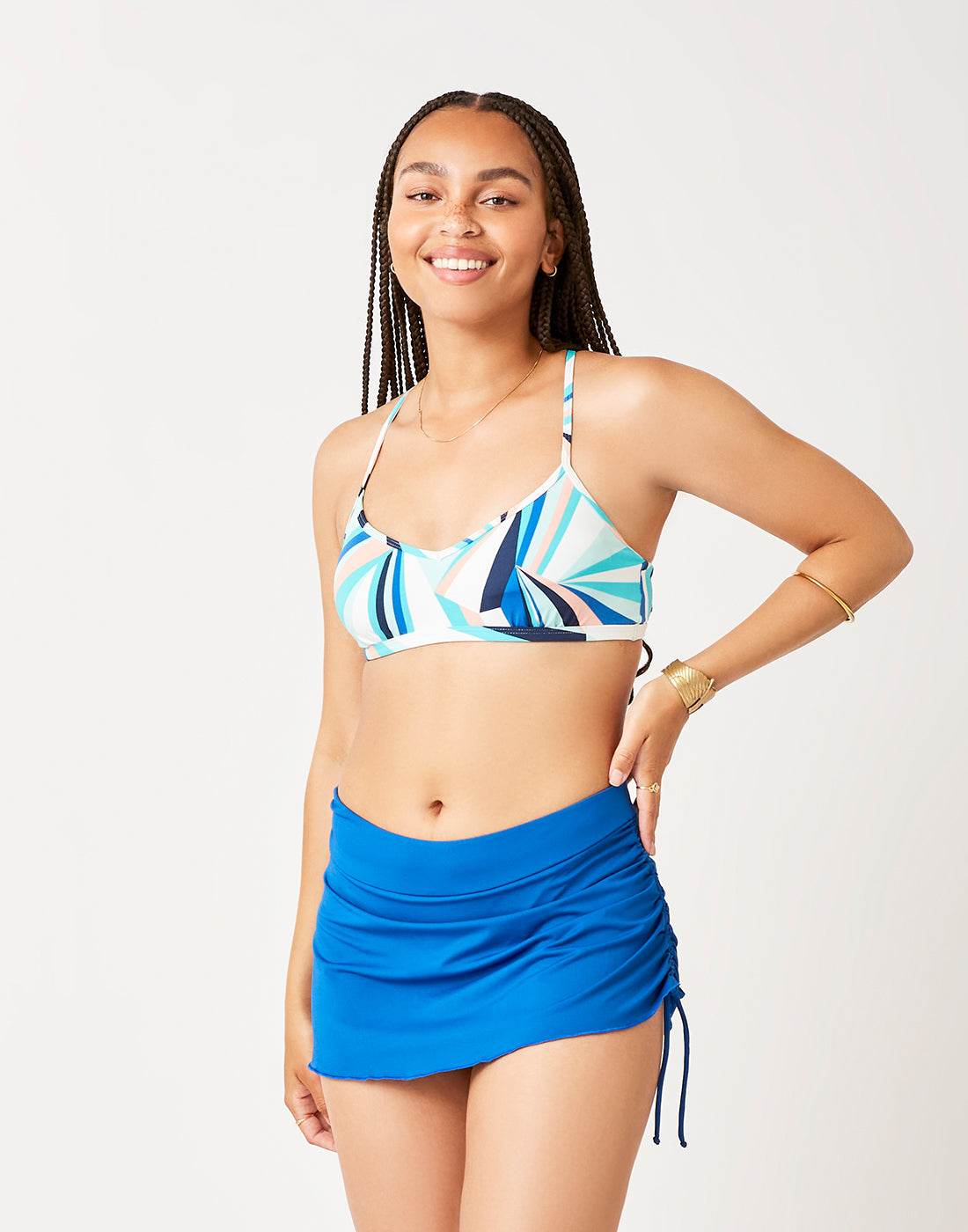
Beach day clothing combines comfortable swimwear, breathable layers, and easy-to-move-in separates that work from the sand to a casual lunch. The most useful pieces feel good against the skin, pull on without a struggle, and leave room for everything the day might hold: a shoreline walk, a swim, a picnic, or a long stretch with a paperback. For women who like a little flexibility in their plans, relaxed shorts, lightweight tops, and simple cover-ups create outfits that do not need a complete reset between activities. Fabric makes a noticeable difference. Cotton offers a soft, familiar feel and absorbs moisture, although it generally takes longer to dry than fabrics designed for swimming. Linen has an airy texture and a naturally relaxed appearance; a few creases belong to its character rather than signaling that anything has gone wrong. Blends can balance softness, stretch, and shape retention, depending on their construction. Swim fabrics typically pair synthetic fibers with stretch fibers to allow movement and help the garment recover its shape. A comfortable beach outfit accounts for those different jobs instead of expecting one fabric to do everything. Swimwear handles time in the water, while an easy outer layer provides coverage for walking to the café or settling into a beach chair. Smooth seams and thoughtfully placed waistbands matter when clothing sits over a swimsuit, especially around ties, straps, or other areas where several layers meet. Breathability is useful, but so is a fabric with enough substance to drape comfortably rather than cling. Texture, opacity, and softness are worth considering together: a gauzy layer creates a different effect from a closely woven fabric, even when both feel lightweight. The goal is clothing that fits the way a beach day actually unfolds, with enough ease to sit cross-legged on a towel and enough versatility to feel at home beyond it.
Fit gives beach clothing its everyday usefulness. A relaxed shape should offer room to move without requiring constant adjustment, whether that means reaching into a tote, stepping over a driftwood log, or getting up from a low chair. Shoulder placement, armhole depth, and the rise of shorts can be just as important as the size printed on a label. Adjustable waistbands and ties allow some flexibility, while an elastic waist should feel secure without digging in when seated. For swimwear, support and coverage are personal preferences, not rules attached to a particular body type. Comfortable straps, a stable underband where applicable, and leg openings that stay in place help make the difference between enjoying a swim and repeatedly rearranging a suit. Stretch should allow movement without leaving the fabric strained or excessively loose. Layers deserve the same attention: enough space to slip over swimwear, comfortable openings around the arms, and a length suited to the activities ahead. For an easy one-piece layer,
Beach Day Dresses offer a natural connection between swimwear and a more finished outfit. A simple silhouette can move from a towel-side break to an outdoor table with a change of footwear, while details such as pockets or adjustable straps can add practical value. Separates offer a different kind of freedom, letting a favorite top pair with several bottoms across a beach trip. Colors and prints can be mixed with the same relaxed approach: a lively pattern needs little extra styling, while solid shades make repeat combinations straightforward. Hats, sunglasses, and secure, comfortable footwear round out the outfit without making it feel overplanned. Clothing with a stated ultraviolet protection rating can also be part of a broader sun-protection routine, alongside sunscreen and shade; a lightweight appearance alone does not establish protection. Beachwear earns its place when it feels like something to live in, rather than something that only works while standing still.
Materials and construction also shape how well beach day clothing holds up to repeated wear. Even stitching, neatly finished seams, and fabric that returns to shape after gentle stretching are useful signs of care in construction, though every textile has its own strengths and limits. Areas exposed to friction, including seat seams, waistbands, and underarm seams, benefit from a comfortable, secure finish. Towels, woven chairs, and rough surfaces can catch delicate fabrics, so intended use matters as much as appearance. A soft layer for lounging may not be the same choice as clothing for an active shoreline outing. Care begins with the garment label, since swim fabrics, linen, cotton, and blended materials can require different washing and drying methods. For swimwear, a fresh-water rinse after contact with salt water or pool water helps remove residue; a rinse does not replace washing according to the label. Sand is easier to shake away before a garment goes into the wash, and sunscreen or body oil marks are best addressed using fabric-appropriate care. Gentle handling helps protect stretch and surface texture. Where the instructions allow it, cool washing and air-drying can reduce exposure to heat, while reshaping a garment before drying helps it settle neatly. Damp swimwear is better taken out of a tightly packed bag once practical rather than left bundled inside it. Small habits like these support longer wear without turning laundry into a second beach activity. For travel, versatile layers that coordinate with several outfits can simplify packing, especially when there is space to dry and rewear them between outings. Beach clothing can also make a thoughtful gift for someone planning a coastal getaway or simply happiest near the water. Relaxed layers may offer more flexibility than closely fitted swimwear, with the recipient’s preferred colors, fabrics, and coverage guiding the choice. Ultimately, the most satisfying beach wardrobe is personal: comfortable enough for hours of wear, practical enough for salt and sand, and expressive enough to feel unmistakably like the person wearing it.