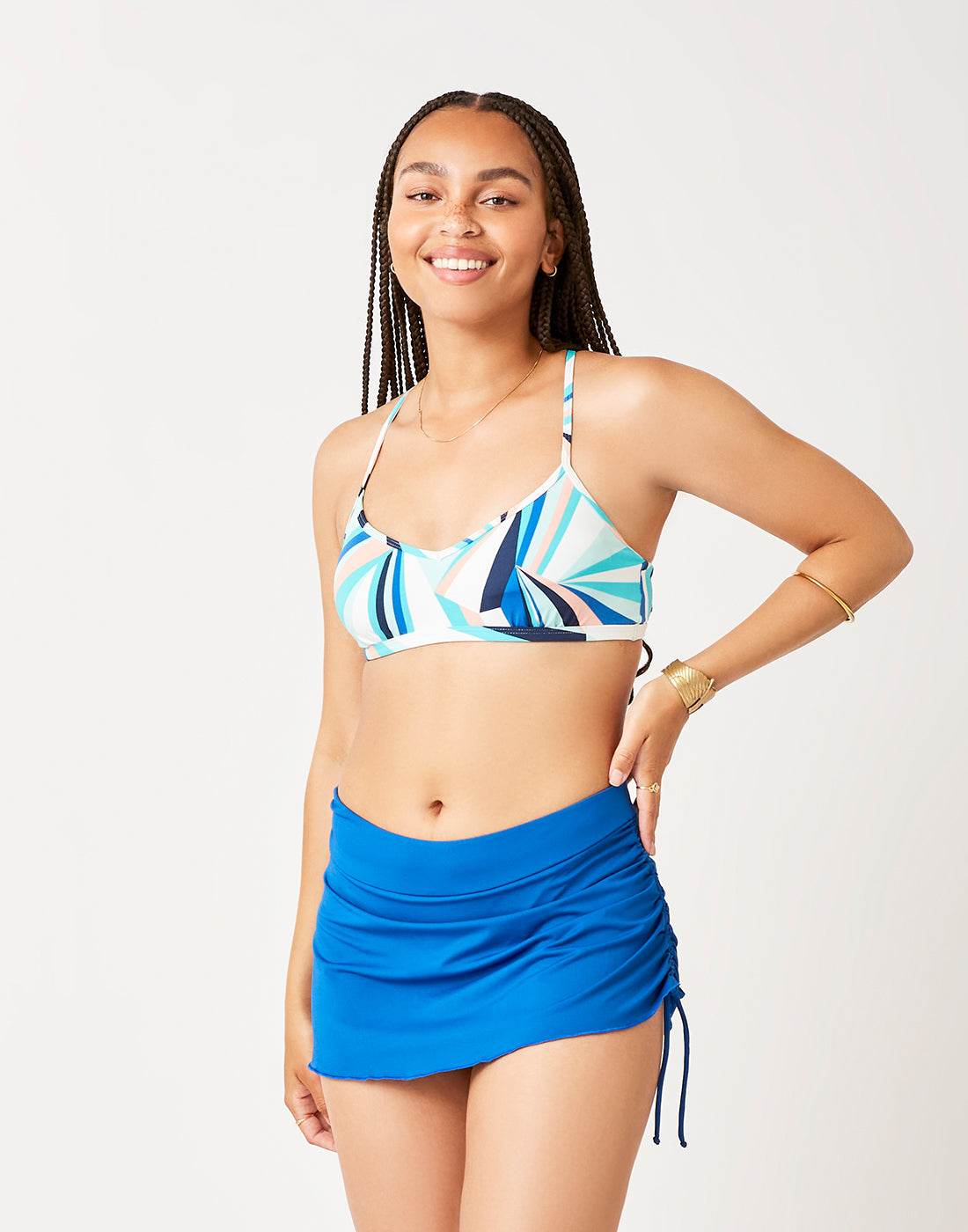
Beach festival wear brings together the ease of a day by the water and the personality of an outdoor music gathering: lightweight fabrics, comfortable swimwear, relaxed layers, and shapes that leave room to dance. The best combinations feel good through a full day of changing scenery, from a sandy path to a grassy concert lawn to a breezy walk back along the shore. Breathable clothing helps release heat, while a swimsuit underneath makes a dip between sets feel like part of the plan rather than a wardrobe complication. Soft shorts, airy dresses, and easy cover-ups all belong in this mix, with the choice depending on how much time is likely to be spent swimming, walking, sitting, or dancing. A floaty silhouette can catch the breeze beautifully, but a hem that stays clear of the ground is especially practical around damp sand and crowded gathering spots. Color and print bring plenty of character without requiring an outfit to work overtime. Ocean-inspired shades, sun-washed solids, and playful patterns can feel equally at home beside the water, particularly when balanced with a simple layer or a familiar pair of sandals. Beach festival outfits also benefit from a little versatility: a swim top that sits comfortably beneath a loose shirt, a dress that slips on easily after a swim, or relaxed bottoms that transition from the waterfront to a casual dinner. There is no single shape or level of coverage that defines the look. Some people prefer a breezy, barely layered outfit; others feel most comfortable with longer sleeves, a higher neckline, or more coverage through the hips. The common thread is freedom to enjoy the setting without constantly adjusting straps or tugging at fabric. For a wider view of coastal dressing,
Beach Fashion connects naturally with this same easygoing approach, where comfort and personal style have equal space in the beach bag.
Fabric and fit make the difference between an outfit that simply looks beach-ready and one that stays comfortable through the last song. Cotton and linen are familiar choices for breathable clothing, with textures that suit the relaxed mood of a seaside festival. Cotton can feel soft against the skin, while linen often has an airy feel and an appealingly lived-in finish. Neither should be assumed to dry as quickly as swim-specific fabric, so a loose outer layer can be more comfortable than a close-fitting cotton outfit pulled over a wet suit. Swimwear commonly uses nylon or polyester blended with stretch fibers to support a close, flexible fit; the exact blend, lining, and construction influence how a suit feels and performs. For anyone planning to swim, a secure fit matters more than decorative details alone. Straps should rest comfortably, edges should lie smoothly rather than dig in, and the fabric should follow the body without sagging or restricting a full breath. Adjustable features can help fine-tune the feel, though support needs vary with body shape and activity. Sitting on a beach blanket, reaching overhead, and taking a few long strides reveal more about comfort than standing still in front of a mirror. The same applies to festival clothing: waistbands need room for sitting, arm openings should allow easy motion, and seams should feel smooth where a bag strap or damp fabric might rub. A lightweight dress may offer welcome airflow, while shorts or relaxed pants can make longer walks and low seating feel simpler. Sheer fabrics can provide an attractive layer, but they do not necessarily offer the coverage or sun protection their appearance suggests. Any protective performance should come from the stated fabric rating, not a guess based on sleeve length. During cooler weather, an extra dry layer becomes especially useful once the sun drops, since an ocean breeze and a damp swimsuit can turn a warm afternoon into a chilly evening surprisingly quickly.
Practical details give beach festival clothing a life well beyond one afternoon of music. Smooth seams, thoughtfully secured straps, and fabric that holds its shape all contribute to repeat wear, especially when an outfit moves regularly between salt water, sunscreen, and a packed tote. Where organic cotton or recycled fibers are specified, they offer another material choice to weigh alongside comfort, construction, and intended use; no single fiber tells the whole story of how a piece will wear. Care has a meaningful role, too. A fresh-water rinse after swimming helps remove salt or pool chemicals from swimwear, and following the care label is the safest starting point for washing and drying. Gentle handling, suitable detergent, and avoiding unnecessary heat can help preserve stretch and color. Wet clothing fares better when it is taken out of a closed bag promptly, rather than left bundled until the next outing. Beach layers also tend to look and feel better when sand is shaken out before washing and sunscreen marks are treated according to the fabric’s care directions. Beyond the clothing itself, the setting shapes what feels practical. Flat footwear with a secure fit is often easier on uneven sand than a narrow heel, though longer paved walks may call for more cushioning. Sunglasses, a hat that stays put in a breeze, sunscreen, and drinking water help round out a day outdoors without turning the outfit into an expedition. A pocket or secure place for small essentials can be particularly welcome when both hands are occupied with a drink and a folded beach towel. These versatile clothes suit coastal music fans, beach-trip travelers, and anyone whose ideal day includes an unplanned stop by the water. They can also make thoughtful gifts when the recipient’s size, preferred coverage, and favorite activities are known; an easy-fitting layer generally leaves more flexibility than closely fitted swimwear. Above all, beach festival wear earns its place through repeated use: comfortable enough for the whole set, adaptable enough for the trip home, and full of the relaxed personality that makes getting dressed part of the pleasure.