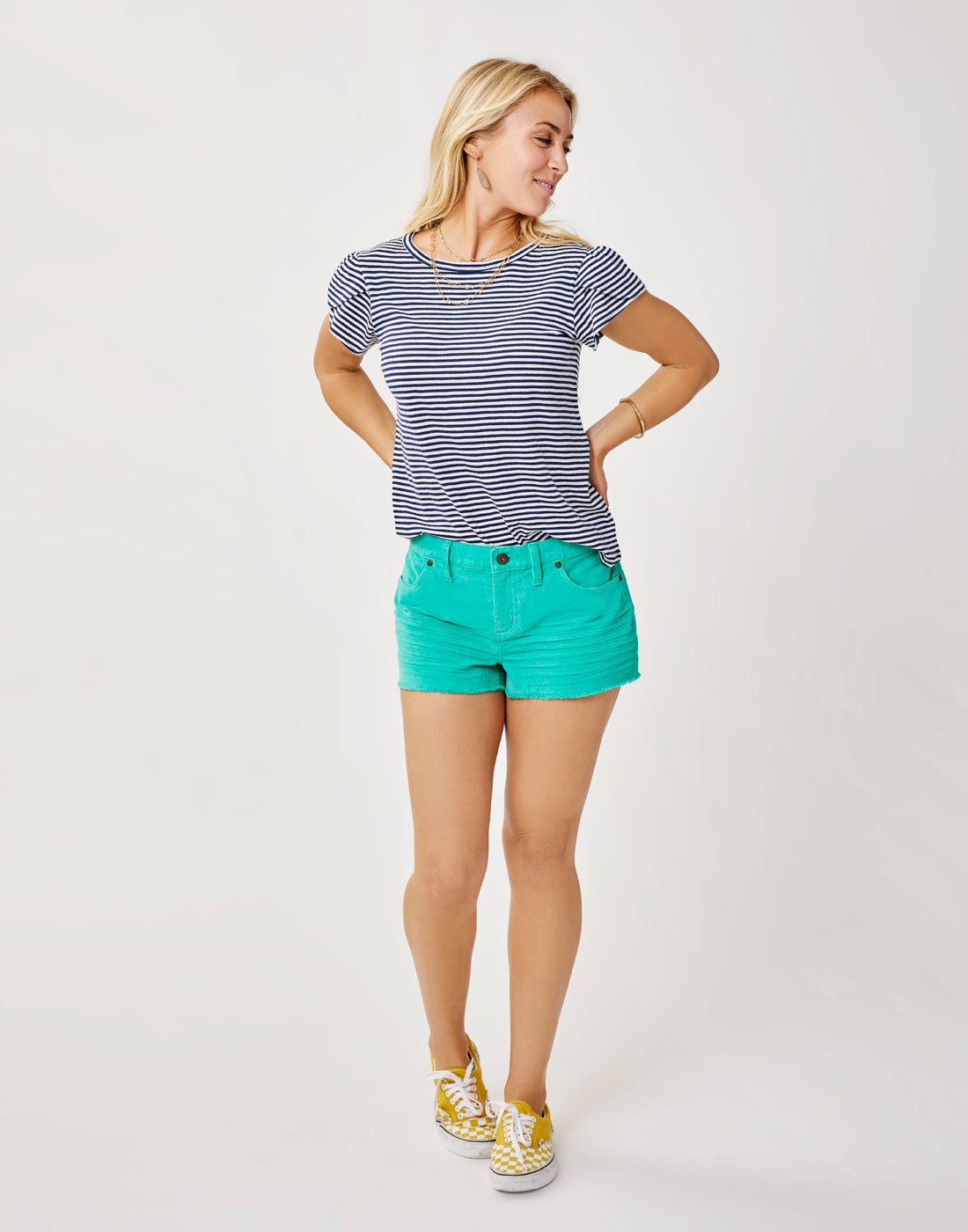
Clothing for young women brings together everyday comfort, personal style, and the flexibility to move between school, work, weekends, and time outdoors. Relaxed denim, easy tops, dresses, and lightweight layers form a useful foundation because they can take on a different feel with a few thoughtful changes. A soft tee and straight-leg jeans feel at home on a morning coffee run; a textured layer and simple accessories make that same combination feel more polished for dinner. Dresses offer an easy alternative when coordinating separates feels like one decision too many, while pull-on styles and relaxed silhouettes leave room for long study sessions, travel days, and spontaneous walks along the water. The most useful choices reflect an actual routine rather than an imagined dress code. Someone walking across campus may appreciate breathable fabrics and layers that tuck into a tote, while someone moving between a chilly office and a sunny lunch spot may prefer pieces that work comfortably together without adding bulk. During the cooler months, that flexibility becomes especially welcome: an airy base layer can stay in rotation beneath a sweater or jacket instead of disappearing into storage. Color and texture help these everyday combinations feel personal. Washed blues, earthy shades, and soft neutrals create an easy starting point, while a playful print or rich knit adds character without requiring an entirely different wardrobe. For another take on casual, expressive style,
cute clothing for women offers a related direction to explore. There is no single silhouette that defines clothing for young women, and no need to choose between looking put together and feeling comfortable. A balanced wardrobe can include loose and fitted shapes, casual textures and smoother finishes, familiar favorites and something a little unexpected. The common thread is wearability: clothing that feels like a natural part of the day, whether that day involves a presentation, a road trip, or a quiet afternoon with nowhere particular to be.
Fabric and fit make the biggest difference in how clothing feels after the first few minutes of wear. Cotton is often a comfortable choice for everyday dressing because it is breathable and generally easy to care for, though its weight and construction matter as much as the fiber itself. A lightweight cotton weave feels different from a substantial cotton knit, which can provide more structure and warmth. Organic cotton offers another material choice; checking the fiber label helps clarify how much a piece contains rather than relying on a broad description. Linen has an airy feel and a naturally rumpled texture that suits relaxed dressing, while blends may soften that texture or change the way the fabric drapes. Fibers such as lyocell and viscose often lend fluidity to looser shapes, and a small amount of stretch can help close-fitting clothing move more comfortably. No single fabric does every job, so intended use matters. A sturdy woven fabric may suit frequent wear on busy days, while a soft knit can feel especially inviting for travel or an evening at home. Fit deserves the same practical attention. Shoulder seams, sleeve length, rise, and inseam all affect comfort, even when the size on the label looks familiar. A waistband should feel comfortable when seated, not just while standing in front of a mirror. Sleeves should allow an easy reach, and fabric across the hips or chest should have enough room for the movement a day requires. Relaxed fits offer ease, but extra fabric does not automatically mean a better fit; proportion still matters at the shoulders, waist, and hem. More fitted shapes can be equally comfortable when the cut and fabric support movement without pulling. Size charts and any available measurements are more useful than assuming the same size will fit across every style. When choosing layers, leaving a little room over the intended base helps prevent bunching through the arms and torso. The goal is clothing that lets the wearer settle into the day rather than continually adjusting a hem, sleeve, or waistband.
Everyday durability comes from a combination of thoughtful construction, suitable materials, and care that matches the fabric. Even stitching, secure buttons, neatly finished seams, and fabric that recovers after gentle stretching are useful details to look for. Heavier fabric is not always better, and softness alone does not reveal how something will hold up; a light, well-constructed layer can serve its purpose beautifully when worn and washed as intended. Care labels provide the best starting point, particularly for blends, textured knits, and pieces with special finishes. Washing in cool water when permitted, separating colors, and avoiding unnecessary heat can help preserve shape and appearance. Turning dark denim or printed clothing inside out may reduce surface abrasion during washing, while giving delicate pieces space in the machine helps prevent twisting and friction. Knitwear often benefits from reshaping and drying flat when the label calls for it, rather than being hung while wet and heavy. Folding stretch-prone sweaters and hanging suitable woven pieces can also help clothing stay ready for the next outing. Small repairs, such as securing a loose button before it falls off, make favorite clothing easier to keep wearing. These habits support a more considered approach to style: choosing pieces with a clear place in daily life and caring for them beyond their first season. For travel, that might mean separates that coordinate with several outfits and fabrics suited to the care options at the destination. For everyday routines, it might mean comfortable denim, washable layers, and a dress that feels equally natural with casual shoes or a more polished finishing touch. Clothing can also make a thoughtful gift for a college student, a recent graduate, or someone beginning a new routine, especially when the choice reflects their preferred colors, usual fit, and laundry habits. An easy-care layer may be more useful than something that requires special handling in a shared laundry room. The pieces that earn repeat wear tend to combine practical details with a feeling of personal ease: soft fabric against the skin, enough room to move, and a shape that feels good without constant attention. That is everyday style with room for a little adventure.