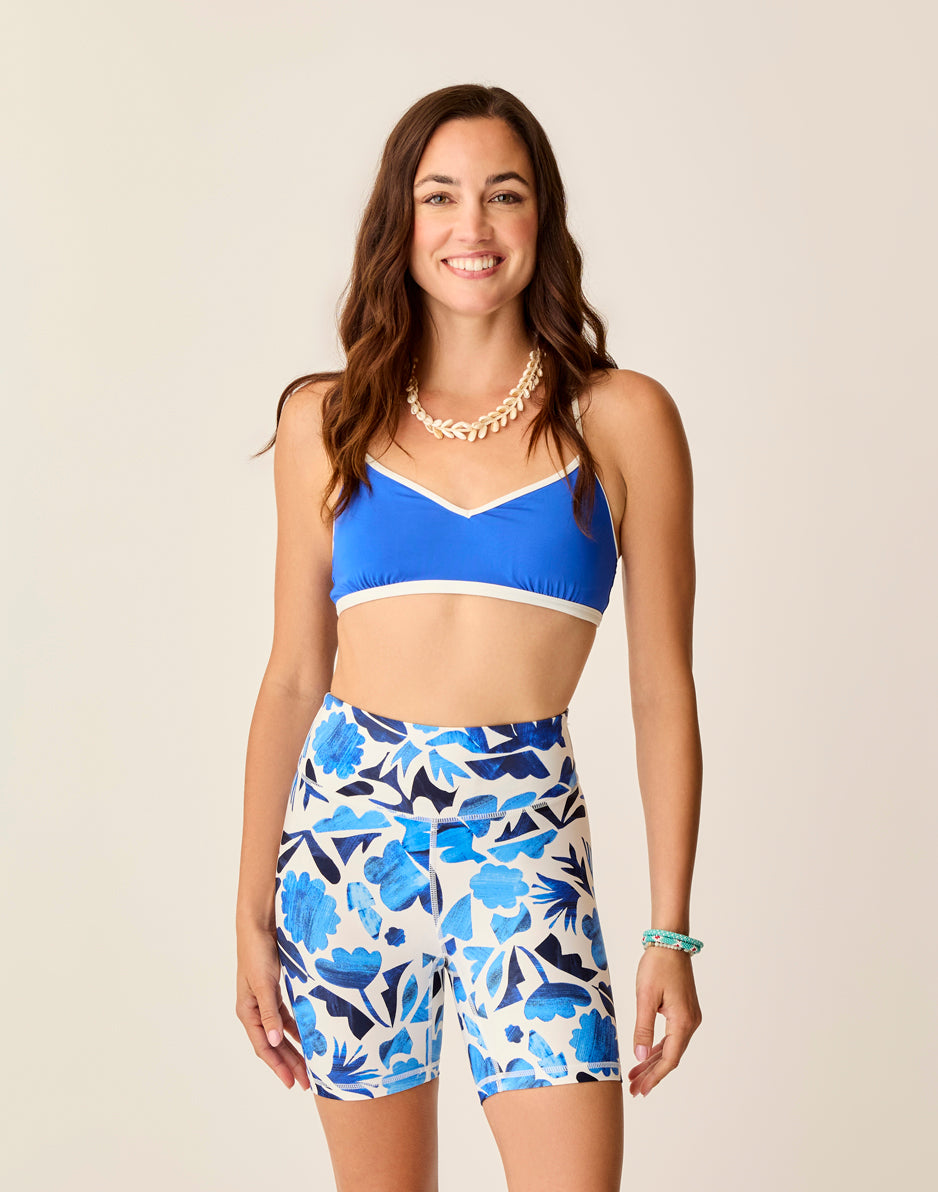
Compression shorts are close-fitting, stretchy athletic shorts designed to provide a supportive feel around the hips and thighs, reduce skin-to-skin friction, and manage moisture during movement. Their appeal is simple: less fabric shifting around and more freedom to concentrate on the activity ahead. For women who run, lift, cycle, practice yoga, or enjoy a long walk, that held-in feel can make an everyday workout more comfortable. The level of support varies with fabric, construction, and sizing, so compression shorts are not all interchangeable. Some feel like a gentle hug, while others have a firmer structure that works well for higher-impact movement. Everyday athletic compression also differs from medically prescribed compression, and a snug fit alone does not establish a particular therapeutic benefit. Nylon or polyester blended with elastane is common because these combinations can balance stretch, shape retention, and moisture management. Nylon often has a smooth, soft hand, while polyester is frequently used in quick-drying athletic fabrics; the finished fabric matters more than the fiber name alone. Four-way stretch allows fabric to move both lengthwise and crosswise, which is helpful when a workout includes everything from reaching overhead to settling into a deep squat. Moisture-wicking construction can help move perspiration away from the skin, although drying speed depends on the material, thickness, and conditions of use. Cotton-rich shorts may feel familiar and soft but can retain more moisture during a demanding session. Recycled fibers can be another consideration when the fabric details identify them, without changing the need to check comfort and performance. For shorts worn on their own, opacity deserves attention alongside softness: fabric that looks substantial while standing may become more transparent when stretched. A quick bend-and-squat check in good light gives a more useful picture than fabric weight alone. Compression shorts can also serve as a smooth base layer beneath loose athletic shorts, skirts, or dresses, where their close fit helps limit bunching and rubbing without adding much bulk.
A comfortable fit starts with measurements rather than the smallest size that can be pulled on. Compression should feel supportive, not restrictive, with enough give for a full breath, a comfortable seated position, and an easy stride. Waist and hip measurements, checked against the relevant size chart, are more reliable than assuming the same size works across every cut. Fabric that digs into the legs, a waistband that leaves uncomfortable pressure marks, or seams that pull sharply across the seat can signal that a different size or silhouette would work better. Numbness or tingling is not a normal goal of athletic compression; stop wearing shorts that cause those sensations. Inseam length matters just as much as overall size. A longer leg can keep more of the inner thigh covered during a walk or run, while a shorter cut may feel less intrusive during floor exercises. The right length is personal, especially when thigh shape and stride affect where a hem settles. Trying a few lunges and sitting on a bench can reveal whether the legs creep upward or stay comfortably in place. A wide waistband may distribute pressure more evenly, while a higher rise can offer coverage through bending and reaching. Neither is automatically better; the useful choice is the one that stays comfortable without constant adjusting. Smooth seams and a thoughtfully placed gusset can reduce bulky intersections where fabric is under tension, particularly during cycling or repeated squats. Pocket placement is worth a practical check, too. A phone that feels secure while standing can bounce during a jog or press into the hip on a studio mat. For added leg coverage with a similar close-to-body silhouette,
Compression Tights offer another option. Whether choosing a shorter or longer style, a body-positive fit means clothing that accommodates movement, not a body expected to accommodate the clothing.
Intended use helps narrow the details that matter most. For running, an inseam that covers common rubbing points and a waistband that stays settled may take priority. For strength training, look for comfortable depth through the seat, stretch that follows a squat, and fabric that remains opaque through the movement. Studio sessions may call for a smooth waistband and minimal hardware, especially when lying on the back or rolling through floor work. Shorts worn under another layer benefit from low-profile seams and a close finish that does not gather beneath the outer fabric. Athletic compression shorts are not automatically designed for swimming, even when they look similar to fitted swim shorts. Repeated exposure to chlorine or salt water can affect fabrics that were not made for it, so water use should follow the stated care and performance information. Daily care makes a difference in how long stretchy fabrics keep their comfortable shape. Follow the care label first, wash with similar colors, and use a gentle cycle when recommended. Turning shorts inside out can help protect the outer surface, while keeping them away from exposed zippers and hook-and-loop fasteners reduces snagging. Fabric softeners can leave residue that interferes with moisture-management finishes, and excessive dryer heat can shorten the life of elastic fibers. Air-drying is often a gentler option when the label allows it. After a workout, letting damp shorts dry before placing them in a laundry basket helps avoid leaving moisture trapped in folded fabric. Over time, watch for thinning at the seat, stretched-out hems, persistent slipping, or seams that no longer lie smoothly; these changes can affect both coverage and comfort. As a gift for someone who enjoys movement, compression shorts are most thoughtful when their preferred rise, length, and size are already familiar. The lasting appeal is practical rather than complicated: dependable coverage, comfortable stretch, and a fit that lets an ordinary walk, a favorite class, or a carefully planned workout take center stage.