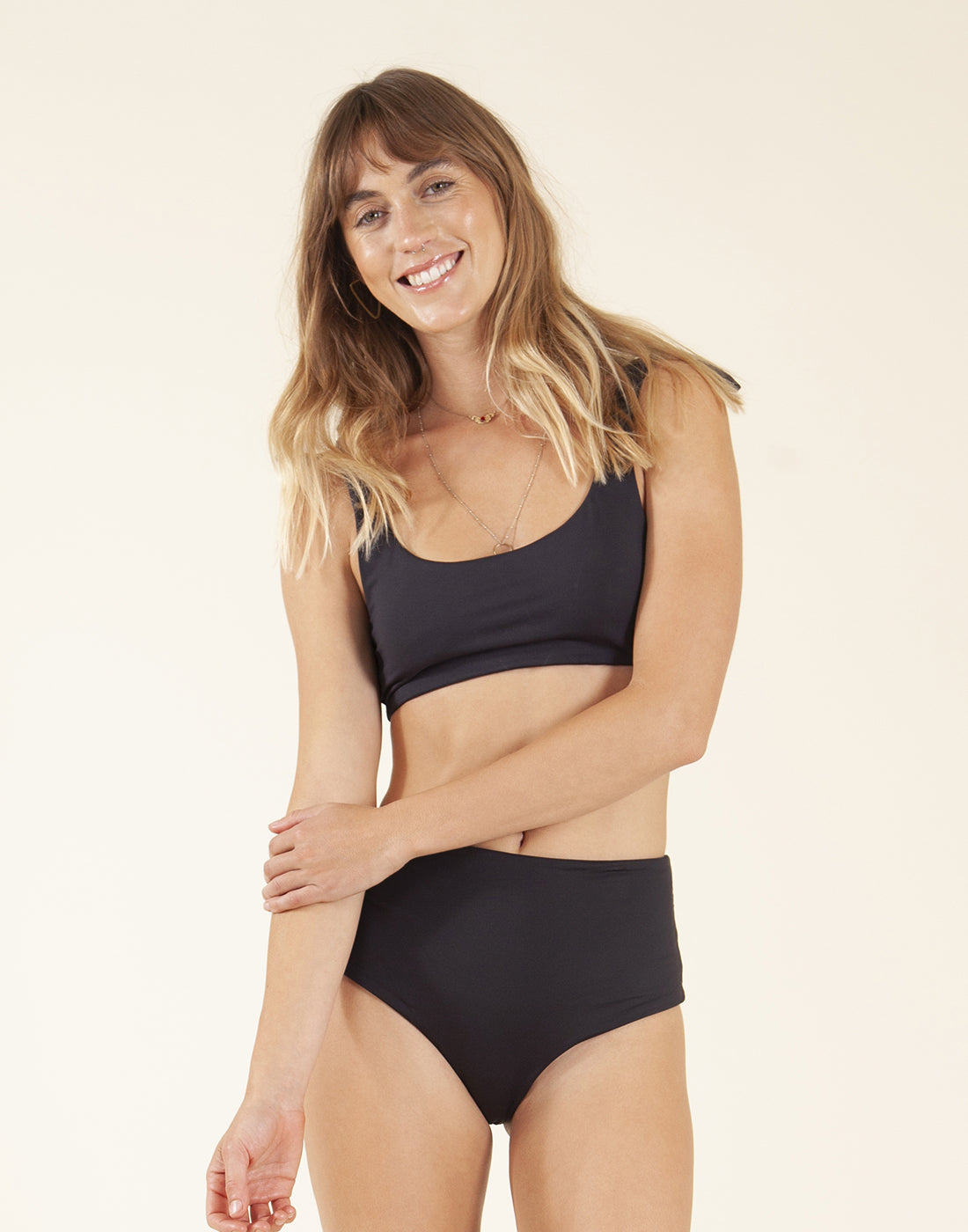
Cruise swimwear belongs in that happy space between a poolside pause and a day spent exploring beyond the ship. The right mix of swimsuits makes room for both, with comfortable shapes that feel as natural stretched out on a deck chair as they do stepping into the water from a snorkeling boat. One-piece swimsuits offer a continuous silhouette and coverage through the middle, while bikinis bring the flexibility of separate tops and bottoms. Tankinis pair longer tops with separate bottoms for adjustable coverage and easier restroom breaks, a small detail that earns its place on a full day away from the cabin. Swim skirts and swim shorts add coverage around the hips and upper thighs without requiring a full outfit change before another dip. There is no single silhouette that belongs on a cruise; personal comfort and planned activities matter more than any packing formula. For many travelers, at least two swimsuits make a practical starting point, allowing one to dry while the other is ready to wear. A trip with frequent pool visits or water-based shore excursions may call for another rotation, especially when cabin drying space is limited. Coordinating separates can create several combinations without filling a suitcase, and a simple palette leaves room for a print with a little personality. A swimsuit tucked into a carry-on also makes the first pool visit possible before checked luggage reaches the cabin. Beyond those practical details, cruise bathing suits should feel like something worth wearing again after the voyage, whether that means laps at a neighborhood pool, a beach afternoon, or another escape with a favorite travel companion. Easy-to-wear shapes, thoughtful coverage, and colors that work with existing cover-ups help a small swim wardrobe feel complete. The goal is not a suitcase full of possibilities, but a few dependable choices that leave more attention for the view from the rail and less for adjusting a strap.
Fit does much of the quiet work in comfortable cruise swimwear. A supportive swim top should sit securely around the rib cage without pinching, with cups or a front panel that contain the bust comfortably rather than pressing or leaving gaps. Adjustable straps allow fine-tuning, although support should not depend on tightening them until they dig into the shoulders. Underwire, wider bands, removable cups, and higher necklines offer different fit options; none is a universal requirement, and the most comfortable choice depends on the wearer. For active excursions, secure closures and straps that stay in place can make reaching, swimming, and climbing a boat ladder feel less fussy. A one-piece needs enough torso length to allow sitting and raising both arms without pulling at the shoulders or riding up at the seat. Two-piece swimwear allows separate sizing at the bust and hips, which can be especially useful when standard sets do not match individual proportions. Bottoms should stay comfortable through a seated lunch on deck as well as a swim, with leg openings and waistbands that lie smoothly rather than squeeze. High-rise cuts, lower rises, fuller seats, and higher-cut legs each create a different feel, so coverage is best treated as a preference rather than a rule about body shape. A quick sit, reach, and gentle bend during a try-on often reveals more than a still look in the mirror. Materials matter alongside shape: nylon or polyester blended with elastane supplies stretch, while lining can add comfort, opacity, and structure. Fabric weight, lining, and construction influence drying time, so a lightly lined suit may dry differently from one with substantial padding. Recycled fibers can be a meaningful material consideration when identified on the label, but fiber content alone does not establish durability or drying performance. For travelers drawn to uncomplicated silhouettes,
Easy Swimwear offers a natural place to continue exploring swim styles with everyday versatility in mind.
The little details of wearing and caring for swimwear become more noticeable at sea, where a cabin bathroom may double as a drying room and a favorite suit may see several outings in a few days. A fresh-water rinse after swimming helps remove salt, chlorine, and residue that can affect fabric and elastic over time. Following the care label is the best starting point for washing; many swimsuits benefit from gentle hand washing with mild detergent rather than a vigorous machine cycle. Squeezing out water carefully, without twisting, helps preserve the shape, and rolling a suit briefly in a clean towel can absorb excess moisture before it is laid flat or hung as directed. Good airflow helps, but a suit should not be assumed dry simply because it has been hanging overnight. Alternating swimsuits gives each one more drying time and avoids the less-than-lovely business of pulling on damp fabric before breakfast. Clips or a permitted drying line can make use of an appropriate bathroom drying area, while balcony railings are no place to leave swimwear unattended. For the trip back from an excursion, a separate wet bag keeps moisture away from other belongings; the suit still needs to come out promptly rather than spend the evening bundled inside. Rough pool edges and textured seating can snag or abrade fabric, so sitting on a towel is a simple habit that helps protect it. Cover-ups, shorts, or an easy dress make the transition from pool deck to other parts of the ship more comfortable, with dining-area dress requirements checked separately rather than assuming a swim skirt counts as daywear. For snorkeling and other extended water activities, a swim shirt can provide additional coverage; sun-protection performance should be confirmed through the garment’s stated rating rather than inferred from appearance. These practical considerations suit first-time cruisers, frequent travelers, and anyone building a swim wardrobe for relaxed days punctuated by a little adventure. Swimwear can also be a thoughtful vacation gift when the recipient’s preferred size, support, and coverage are known. Comfortable, well-cared-for pieces can keep earning their place in the bag long after the ship returns to port.