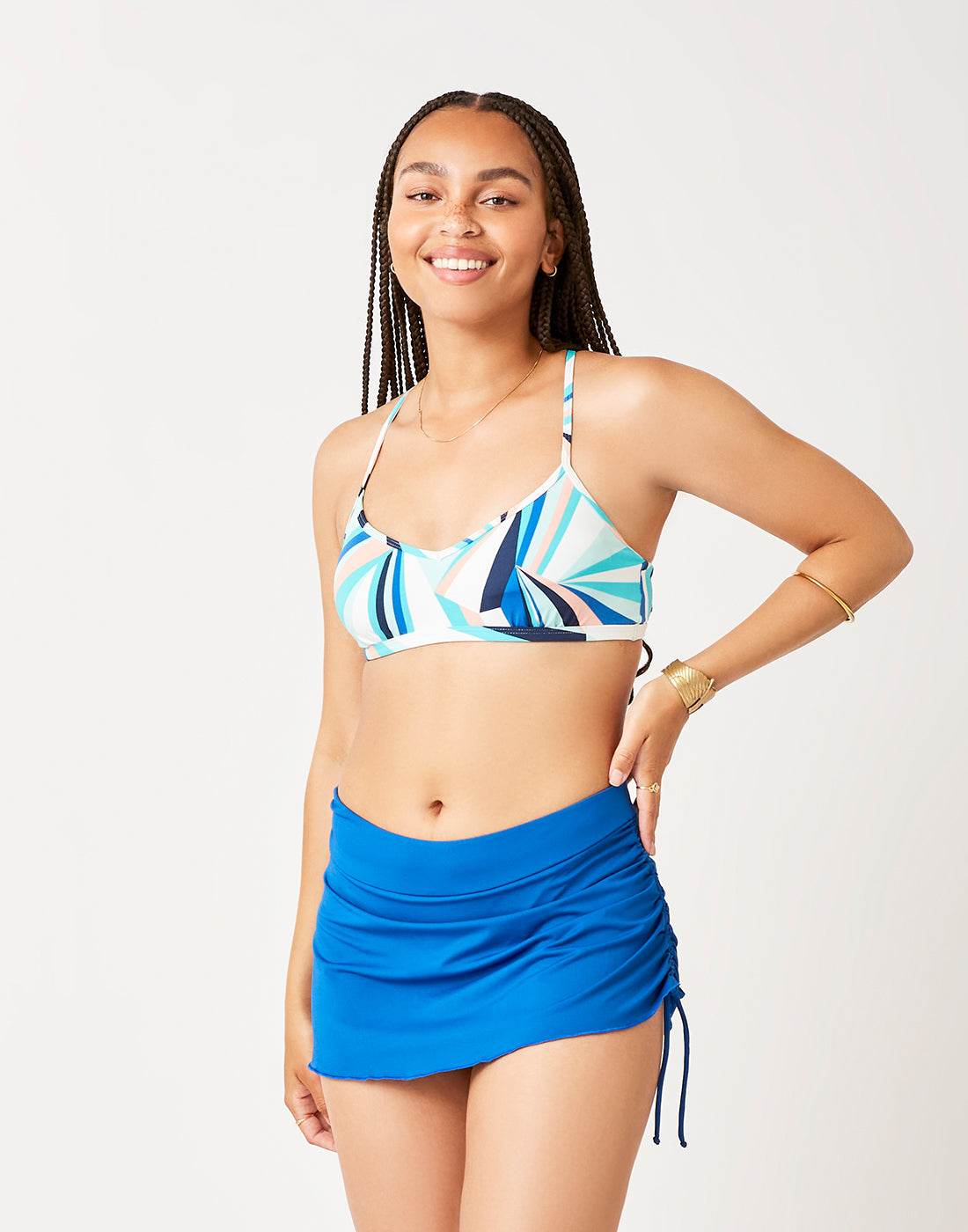
Cute swimwear for teens pairs personal style with the freedom to dive in, paddle out, or spend an afternoon catching up at the pool. The best match feels comfortable in the water and still feels like the person wearing it, whether that means a bright floral, crisp stripes, a small-scale gingham, or a solid color that goes with everything. One-piece swimsuits, tankinis, and bikinis each bring something different to the mix. A one-piece creates a continuous silhouette with no separate waistband to coordinate, while a tankini offers a longer top with the flexibility of two separate pieces. Bikinis make it easy to choose different sizes for the top and bottom, which can be especially useful when standard matching sets do not fit quite right. For teens drawn to an all-in-one shape,
Cute One Piece Swimsuits For Teens keep getting ready for the water refreshingly simple. Across these styles, details such as wider straps, higher necklines, adjustable ties, or fuller-coverage bottoms let the wearer decide what feels good. More coverage and less coverage are simply different preferences, not rules about who can wear what. A swim skirt can add a different silhouette, while a rash guard provides extra coverage for paddling or time on a board. Reversible designs, when offered, bring two looks to the same basic shape and can make packing a little easier. Matching prints create a coordinated look; mixing a patterned top with a solid bottom leaves more room for individual taste. The goal is a suit that works for the actual outing, from a swim lesson to a beach trip with friends, without needing constant attention. Cute should leave plenty of room for comfortable, capable, and ready to get wet.
Fabric and fit do much of the quiet work behind a swimsuit that feels easy to wear. Swim fabrics commonly blend nylon or polyester with spandex, combining a smooth surface with the stretch needed for reaching, sitting, and swimming. Nylon blends often feel soft and supple, while polyester blends can offer good color retention and resistance to repeated pool use; the exact performance depends on the fabric and construction. Spandex supplies stretch, but a higher percentage alone does not guarantee a better fit or a longer-lasting suit. A fabric that stretches comfortably and returns to its original shape is more useful than one that simply feels very stretchy on the hanger. Recycled nylon or polyester can be worth considering when the fabric details identify those fibers, though recycled content does not automatically mean a suit is more durable. Lining matters, too: it can add a smoother feel, help a suit hold its shape, and provide coverage when wet. Soft seams and neatly finished edges are small details that become much more noticeable after an hour in the water. For fit, the size chart for the particular style is a better starting point than an age label or the size worn in everyday clothes. A well-fitting suit sits close without digging into shoulders, pinching at the hips, or pulling through the torso. Raising both arms, sitting down, and leaning forward can reveal slipping straps, gaps, or a waistband that rolls. A longer torso may need a different cut rather than simply a larger size, and adjustable straps can help fine-tune the length through the body. For two-piece swimwear, choosing each half separately allows a more individual fit. Coverage should also stay comfortable while moving, not just while standing still in front of a mirror. The most useful support is the kind the wearer can forget about once the swimming starts.
Intended use helps separate a swimsuit that looks appealing from one that earns repeat wear. For casual laps, pool games, or learning to surf, secure straps, a stable neckline, and bottoms that stay in place can make the day easier. Decorative ties and playful details may suit a relaxed pool visit, but their placement still matters when leaning against a board or sitting on the pool edge. Wider straps can spread pressure across the shoulders, while an adjustable back can offer a more personalized fit. Any listed ultraviolet protection rating applies to the fabric-covered areas only; exposed skin still needs appropriate protection. Durability also depends on what happens after the swim. A rinse in cool, fresh water helps remove chlorine, salt, and residue before they linger in the fibers. The care label should set the routine, including whether hand washing or a gentle machine cycle is appropriate. Mild detergent, careful handling, and drying away from direct heat help protect stretch and color. Wringing a suit tightly, putting it in a hot dryer, or leaving it damp inside a bag can be hard on the fabric. Rough pool decks and textured benches can snag smooth swim knits, so a towel underneath is a simple buffer. Sunscreen belongs on skin, but allowing it to settle before dressing can help reduce transfer onto fabric. Letting a swimsuit dry fully between wears also makes it more comfortable to pull on again. For a gift, personal preferences matter as much as size: a favorite color, a familiar neckline, or a preferred level of coverage is a better clue than guessing what a teen ought to like. Keeping the wearer involved in the choice respects both fit and individual style. A thoughtfully chosen swimsuit makes space for the good parts of a day by the water: practicing a new stroke, floating beside a friend, and heading back in for another swim.