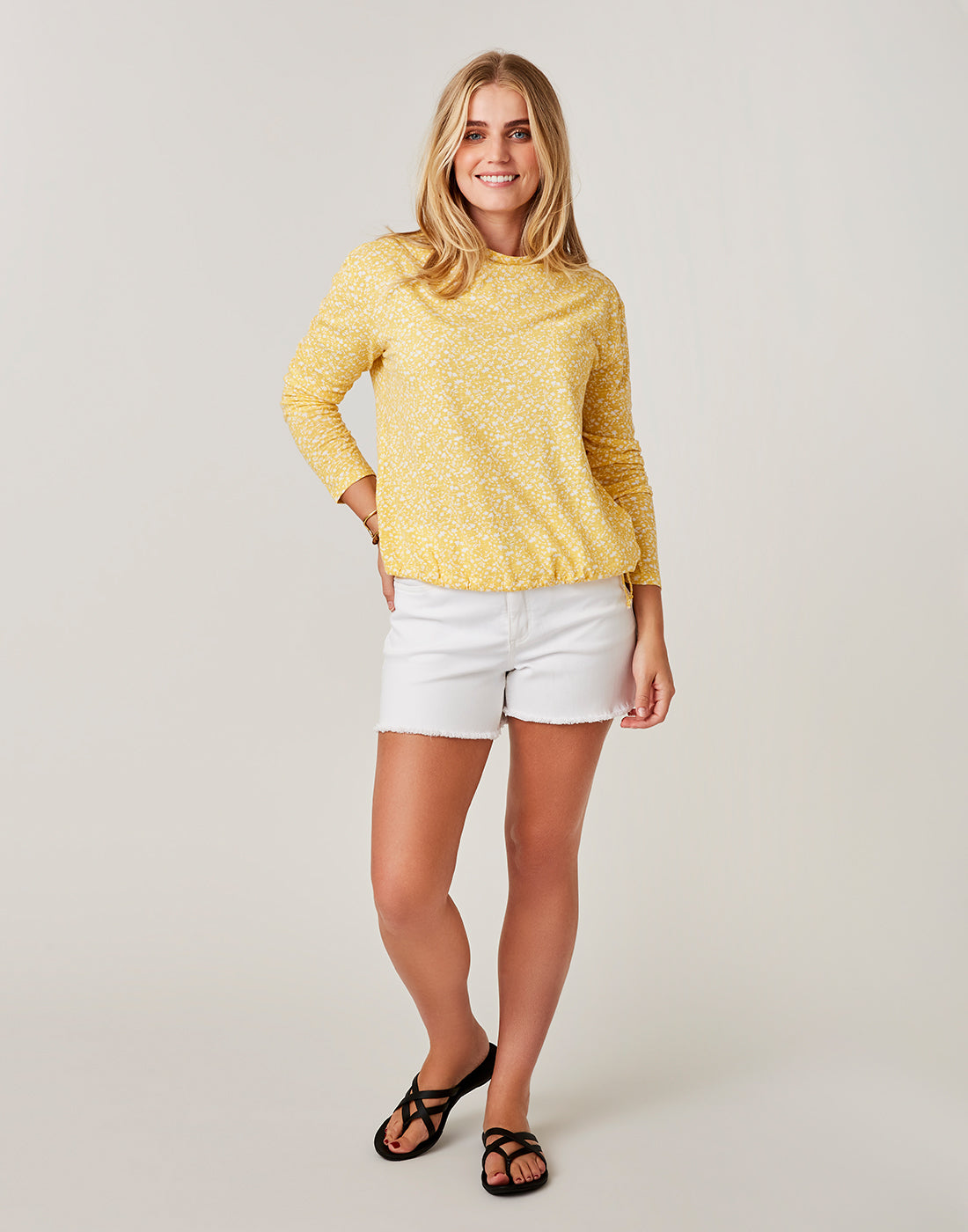
Denim cutoff shorts bring the character of a favorite pair of jeans to a shorter, easier silhouette, with raw edges that give each pair a little personality. Unlike shorts finished with a neatly stitched hem, cutoffs have exposed denim threads along the leg openings, creating anything from a subtle fringe to a more worn-in finish. That unfinished edge is the defining detail; heavy distressing, faded patches, and torn pockets are optional extras, not requirements. Classic blue washes feel right at home beside a striped tee and canvas sneakers, while darker denim offers a cleaner backdrop for a breezy blouse or soft knit. Pale washes have a sun-faded quality that suits beach paths and backyard afternoons without needing much styling. Within the broader collection of
Women's Cutoff Shorts, denim stands out for its familiar texture, sturdy construction, and ability to soften with wear. These are everyday shorts for coffee runs, casual lunches, coastal getaways, and those pleasantly unplanned hours between destinations. A raw hem adds interest to a simple outfit, so there is little need to pile on accessories: a woven belt, comfortable sandals, and a cotton shirt can do plenty. During cooler stretches, a roomy sweater or overshirt balances the shorter shape, especially in mild climates or on a warm-weather escape. Cutoffs also slip easily over a swimsuit for the walk away from the water, though denim is better suited to dry-land lounging than swimming or staying damp. Their appeal is practical as much as visual: useful pockets, a familiar waistband, and fabric with enough substance for repeated wear. A pair that feels comfortable sitting on a picnic blanket and polished enough for a patio lunch earns its place in a travel bag. The best match depends less on chasing a particular look and more on how the shorts fit into an actual day, from the first long walk to the last seat at the outdoor table.
Fabric and fit shape that experience well beyond the frayed hem. All-cotton denim generally has a more structured feel at first and gradually relaxes where the body bends, giving cutoffs that familiar broken-in character. Denim blended with a small amount of elastane offers stretch, which can feel easier through the hips and thighs when climbing stairs, riding in a car, or settling into a low beach chair. Stretch alone does not guarantee a good fit, though; the cut, fabric weight, and waistband construction matter just as much. Lighter-weight denim can feel less bulky in warm weather and pack easily, while heavier denim tends to hold its shape more firmly and may take longer to soften. Where organic or recycled cotton is identified in the fabric details, those fibers offer another consideration alongside comfort and construction; a raw hem or vintage-looking wash does not establish how a fabric was produced. Rise determines where the waistband sits, while inseam describes the length from the crotch seam to the leg opening. A higher rise can pair comfortably with a tucked tank or cropped sweater, and a lower rise rests farther down the torso. Neither is a universal best choice. Enough space through the seat and thighs helps the shorts move naturally rather than pull across the lap or creep upward with every step. A slightly wider leg opening creates an airy shape, while a closer cut looks more streamlined. The hem deserves particular attention because fringe can make shorts appear longer without adding the same coverage as intact fabric. For a clearer sense of length, consider where the solid denim ends, including along angled sides or curved hems. Trying shorts while sitting, bending, and walking reveals more than a still view in the mirror. Pockets should lie comfortably, the fly should sit flat, and the waistband should stay secure without digging in. Size charts and garment measurements help narrow the choice, especially when comparing rigid denim with stretch blends.
The easygoing appearance of denim cutoff shorts comes with a few useful details about construction and care. A straight raw edge creates a different silhouette from a hem that rises slightly toward the outer thigh, and a longer back can provide extra coverage when sitting or bending. Although cutoffs take their name from jeans shortened by cutting away the legs, purpose-made versions can have proportions designed specifically for shorts, including pocket placement and leg openings. When existing jeans are shortened, the initial cut establishes the shape, while loose crosswise threads and washing help develop the fringe; the finished edge can sit higher than the original cut once fraying develops. That is why the amount of intact fabric above the fringe matters whether choosing ready-made cutoffs or considering an altered pair. Cleanly constructed seams, secure pocket corners, and firmly attached buttons help support everyday wear, while extensive distressing leaves less intact fabric in areas that already experience friction. Raw hems naturally evolve, but there is a difference between a little extra fringe and a tear spreading into the body of the shorts. Gentle care helps keep that evolution manageable. Follow the care label, wash with similar colors, and turn denim inside out to help reduce surface abrasion and protect the wash. Cold water and a gentle cycle are often suitable when the label allows them, and washing only when needed can reduce unnecessary wear. Dark denim may transfer color, particularly when new or damp, so take care around light upholstery and pale bags. High dryer heat can affect fit and stretch fibers; air-drying is often a gentler option when consistent with the care instructions. Rather than pulling a loose thread and risking a larger unraveling edge, trim an overly long strand carefully without cutting into the fabric or nearby stitching. Let shorts dry fully before folding them away, particularly after a humid day by the coast. For a thoughtful gift, familiar rise, inseam, and stretch preferences are more useful clues than size alone. Those personal details help turn a casual staple into something that gets worn, softened, and packed again.