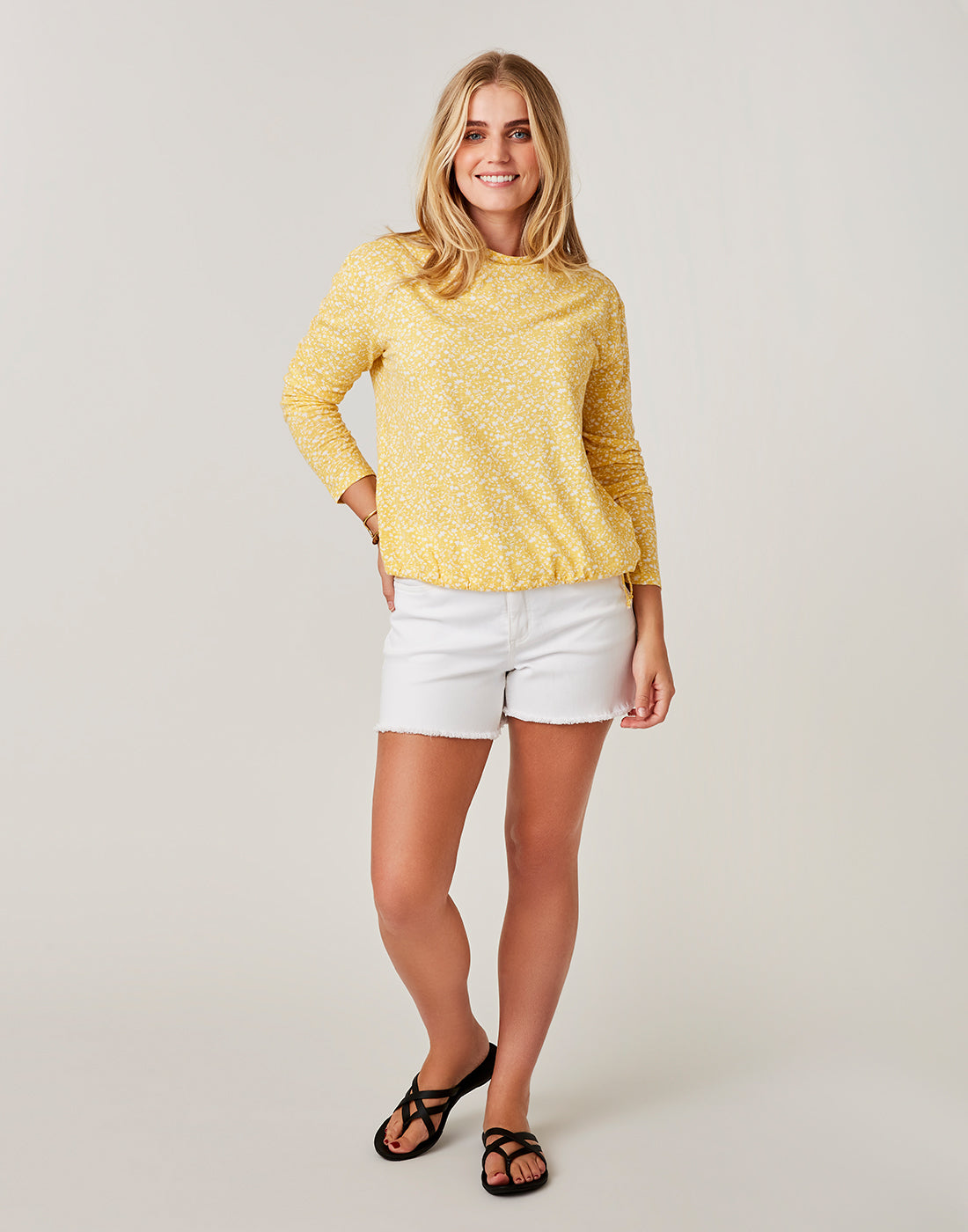
Denim outfits for women bring together familiar shapes, expressive washes, and the kind of comfort that makes getting dressed feel a little less complicated. The possibilities stretch well beyond jeans and a tee: double-denim combinations, denim skirts with soft knits, coordinated separates, and relaxed denim dresses all offer a different balance of ease and polish. What connects them is a fabric with enough character to anchor an outfit without needing much fuss. A straight-leg silhouette with a crisp button-up feels pulled together for a casual office, while wide-leg denim and a close-fitting tank leave room for movement on a gallery stroll or an afternoon spent exploring a new neighborhood. Denim on denim works through either harmony or contrast. Similar washes create a continuous line, while a faded shirt over darker jeans gives each piece its own definition. The shades do not have to match perfectly; repeating a color through a belt, bag, or shoes can make the combination feel intentional. Skirts offer another way to enjoy denim’s texture, with midi and maxi lengths creating a longer silhouette that pairs naturally with simple tops and low-profile footwear. A slit or a little extra sweep through the hem can make a noticeable difference when walking or climbing stairs. Dark indigo tends to read as more polished, pale washes feel easygoing, and white, ecru, or colored denim opens up combinations beyond traditional blue. A tonal outfit in creamy neutrals has a softer visual effect than high-contrast black and blue, but both can be equally wearable. Small choices change the mood: loafers add structure, sneakers keep things relaxed, and a textured belt can break up an otherwise simple pairing. Denim’s appeal is that it leaves space for personal style, whether that means clean lines and quiet details or a generous silhouette with a little more personality.
Fabric and fit shape how a denim outfit feels just as much as how it looks. Traditional denim is a twill fabric, usually made primarily from cotton, with a diagonal weave that contributes to its recognizable texture and durability. Rigid denim has little or no stretch and often feels more structured at first, gradually softening with wear. Stretch denim includes elastic fibers that allow more give through the hips, seat, and knees; the amount of stretch and the fabric’s ability to recover both affect whether a shape stays close-fitting or relaxes throughout the day. Neither option is automatically better. Someone who enjoys a defined silhouette may prefer a firmer fabric, while someone spending hours seated, traveling, or moving between errands may appreciate a softer feel and a little flexibility.
Soft denim pants for women offer an easygoing foundation for outfits built around comfortable movement, balanced with a neat tee, a draped blouse, or a more structured top. Fabric weight matters, too: lighter denim tends to fall more fluidly, while heavier denim usually holds its shape more distinctly. Fiber content provides useful context, but softness also depends on the weave and finishing, so cotton percentage alone does not tell the whole story. Denim made with organic cotton or recycled fibers can be part of a more considered wardrobe when those materials are clearly identified; they do not replace the importance of a fit that gets worn repeatedly. Rise, inseam, and room through the thigh deserve equal attention. A waistband should feel comfortable when sitting as well as standing, and pockets should lie smoothly rather than pull open. Wide-leg cuts offer space through the leg, straight cuts maintain a more consistent line, and tapered shapes narrow toward the ankle. None belongs to only one body type. The useful distinction is how each feels on the person wearing it, including whether a hem clears the ground in favorite shoes and whether the seat allows an easy, unrestricted stride.
The most versatile denim outfits have proportions that feel comfortable and purposeful rather than carefully staged. A generous shirt with straight-leg jeans gives an outfit a relaxed outline, while a shorter or tucked top lets the shape of wider pants take the lead. An all-relaxed silhouette can work beautifully, too; a visible waistband, an open neckline, or a sleeve pushed back adds definition without requiring a fitted piece. For days that move from a desk to dinner, dark denim with a fluid blouse and simple jewelry offers an easy transition. For road trips or long afternoons on the go, a flexible waistband and a hem that stays out from underfoot are practical details worth appreciating. Denim dresses and coordinated separates reduce the effort of putting a look together, while individual pieces allow more mixing with clothes already in the closet. That repeat-wear potential is also part of denim’s value as a gift, especially for someone whose preferred size, rise, and silhouette are already known. Longevity depends on construction and care as well as fabric. Even stitching, secure pocket corners, and a smoothly functioning zipper are useful signs of thoughtful construction, though no single detail guarantees lasting wear. Following the care label is the best starting point for cleaning. When permitted, washing denim inside out in cold water with similar colors can help limit fading and dye transfer. Dark washes may release color, particularly early on, so care around light upholstery and pale clothing is sensible. Washing when needed rather than automatically after every brief wear can reduce unnecessary laundering, while spot cleaning may handle a small mark between washes. Air drying, when appropriate for the garment, avoids repeated high heat that can affect fit and elastic fibers. Wear often shows first at hems, inner thighs, and pocket edges; a timely repair can keep a small weak spot from becoming a larger tear. With a comfortable fit, thoughtful care, and combinations that suit everyday plans, denim becomes less about assembling a perfect look and more about having clothes ready for a full, happily unscripted day.