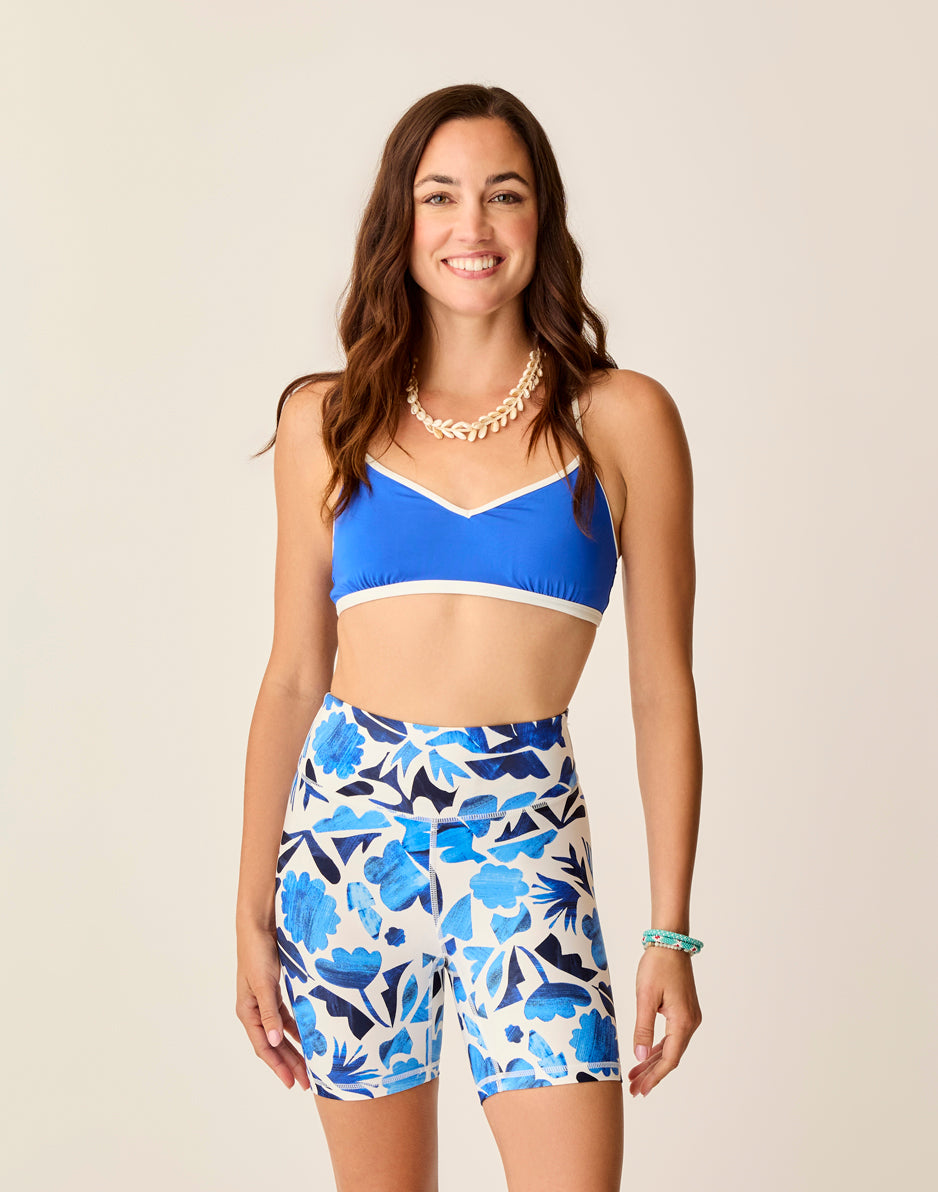
Exercise gear for women includes activewear and accessories designed to support comfortable movement, from breathable workout tops and supportive sports bras to flexible leggings, shorts, and easy layers. The most useful pieces suit the activity, fit comfortably through a full range of motion, and handle the mix of warmth and perspiration that comes with exercise. For a quiet stretch session, that might mean soft fabric, a waistband that stays put during forward folds, and seams that do not press into skin on the mat. For running or a lively studio class, priorities often shift toward moisture-wicking fabrics, secure support, and pockets that keep small essentials from bouncing. Strength training calls for freedom through the hips and shoulders, along with fabric that maintains coverage when stretched. There is no single silhouette that works for every body or every routine, and a close fit is not automatically a better fit. Some women prefer the held-in feel of compression-style clothing; others feel most comfortable in relaxed shorts or a breezy top with room to move. Both approaches belong in an active wardrobe. During the cooler months, lightweight layers help bridge the gap between a chilly walk outside and a warm studio. A top that slips easily over workout clothes can make the trip home more comfortable without requiring an entirely separate outfit. Versatility matters beyond the workout, too: clean lines, comfortable waistbands, and easy-to-pair colors can carry activewear from a morning walk to coffee or a few errands. A coordinated outfit can make getting dressed simpler, while separate pieces leave room to mix familiar favorites. For another view of versatile activewear,
Best Workout Clothes for Women brings the focus back to clothing that fits naturally into an active day. The goal is gear that feels right for the way someone actually moves, whether that means regular training, weekend trail time, or taking the long way home.
Materials and construction shape how exercise clothing feels well beyond the first try-on. Polyester and nylon blends are common in activewear because they can offer durability, relatively quick drying, and a smooth feel, while added elastane gives fabric stretch and helps it recover its shape. Fiber content alone does not tell the whole story: fabric weight, knit structure, and finishing also affect breathability, coverage, and moisture management. Moisture-wicking fabric moves perspiration away from the skin, while breathable construction allows heat and moisture vapor to escape; these qualities work together but are not interchangeable. Cotton offers softness for gentle activity and everyday wear, though it generally holds moisture longer than many synthetic workout fabrics. Where organic cotton or recycled fibers are specified, those details can help shoppers choose materials that align with their preferences without overlooking performance and longevity. Lightweight fabric may feel welcome in a warm studio, while a more substantial knit can provide extra coverage and comfort outdoors. Stretch should allow a deep squat, an overhead reach, or a long stride without pulling at the seams. Leggings need a waistband that stays comfortably in place without rolling or digging, and shorts benefit from enough room through the thigh to avoid restricting movement. Pocket placement deserves attention as well: a phone sitting securely against the hip feels different from one swinging in a loose pocket with every step. Sports bra support should match both the activity and personal comfort. Walking and stretching may call for lighter support, while running and jumping often need a more secure design that limits bounce. A supportive band should feel snug without making a full breath difficult, and straps should stay in place without digging into shoulders. Tops should offer the desired coverage during bends and reaches, not just while standing still. Smooth seams, thoughtfully placed labels, and openings that do not rub under the arms are small details that become much more noticeable halfway through a workout.
Durable workout clothing earns its place through repeated wear, washing, and the ordinary demands of a busy day. Good stretch recovery helps knees, waistbands, and seat areas hold their shape, while secure stitching supports seams that flex with every lunge and reach. No fabric is immune to friction: rough benches, hook-and-loop closures, and repeated contact with textured surfaces can cause snags or pilling, particularly on soft, brushed knits. Intended use matters here. Clothing suited to gentle studio sessions may not tolerate the same abrasion as gear designed for rugged outdoor activity, and a workout outfit is not automatically a substitute for swimwear in chlorinated or salt water. Care begins with the garment label, since different fibers, finishes, and constructions need different handling. Many stretch pieces benefit from cool washing with similar fabrics, a gentle cycle, and air drying away from direct heat when the care instructions allow it. Turning clothing inside out can help protect the outer surface, and separating activewear from towels or exposed zippers reduces unnecessary rubbing. Fabric softener can interfere with some moisture-wicking finishes, while excessive heat can shorten the life of elastic fibers. Damp clothing also benefits from being aired out rather than left bundled in a gym bag until laundry day. These simple habits help preserve comfort and performance without turning care into a second workout. Exercise gear can also make a thoughtful gift for someone who enjoys walking, studio classes, or an active weekend, especially when the choice reflects a routine they already love. Familiar sizing, preferred coverage, and favorite fabric textures are more useful clues than assumptions about what someone should wear. Closely fitted pieces require particular care with sizing, while flexible layers can be easier to choose when preferences are known. Above all, an active wardrobe should make movement feel inviting rather than demand a particular pace, shape, or level of experience. Reliable coverage, comfortable support, and fabrics suited to the activity leave more attention for the stretch, the trail, and the welcome breath of fresh air afterward.