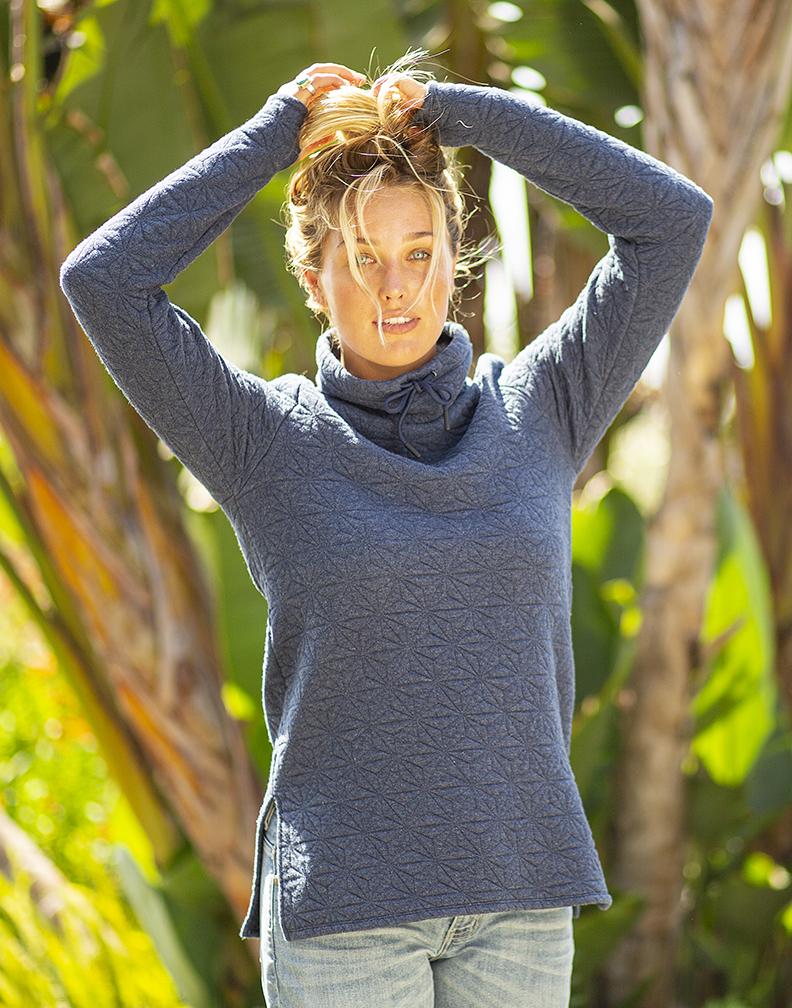
Fitted tunics bring together the easy coverage of a longer top and the polished shape of a closer fit. Typically extending past the waist and skimming the hips, a fitted tunic follows the lines of the torso without feeling overly restrictive. That extra length makes it a versatile choice for days when a standard tee feels a little too short, while the defined silhouette keeps the outfit from looking shapeless. Depending on the design, a fitted tunic may sit close through the bust and waist before falling gently over the hips, or offer a softly shaped cut with stretch for comfortable movement. Cotton and cotton-stretch blends are dependable choices for breathable everyday wear, while lightweight knits can add softness and flexibility for layering. Linen blends bring an airy feel as the weather warms, and smooth stretch fabrics can create a more refined look for dinners, travel, or relaxed gatherings. When choosing a fitted tunic, consider where the hem lands, how much ease you prefer through the middle, and whether the fabric returns to its shape after sitting, walking, or reaching. A tunic should follow your figure rather than pull across it; check the shoulder seams, neckline, and armholes for a comfortable fit, especially if you plan to wear another layer over or underneath. Longer sleeves are useful during cooler months, while short sleeves and sleeveless cuts can transition easily between indoor and outdoor settings. A thoughtfully placed side slit, curved hem, button detail, or softly draped neckline can add movement without taking away from the clean, streamlined shape. For a similarly easy silhouette with a little more room or a less body-skimming finish, explore
Classic Tunics.
One of the pleasures of a fitted tunic is how naturally it works with the rest of a wardrobe. Pair a longer hem with slim jeans, leggings, ponte pants, or streamlined trousers to create balance from shoulder to ankle. A fitted tunic can also be tucked slightly at the front for a relaxed shape, worn untucked for extra coverage, or layered beneath an open cardigan, blazer, denim jacket, or structured coat when the air turns crisp. If the cut is a touch looser than expected, a narrow belt at the natural waist can add definition without making the outfit feel fussy; choose a flexible belt and place it where it feels comfortable while sitting as well as standing. For a casual morning, imagine one with soft leggings, simple sneakers, and a canvas tote—an outfit suited to a coffee run, a school pickup, or a walk along the water when the breeze carries a little chill. For a more polished setting, pair it with slim trousers, ankle boots, and understated jewelry. A fitted tunic can also serve as a practical travel layer because it offers coverage while moving through stations, airports, and chilly car rides, then looks composed once you arrive. The longer silhouette is especially useful for anyone who prefers a bit more coverage through the hips or wants clothing that moves comfortably during an active day. It can be a thoughtful gift for a friend who enjoys versatile essentials, a frequent traveler building a compact wardrobe, or someone who appreciates pieces that move easily from home to plans afterward. Fit preferences vary, so gifting is easiest when you know the recipient’s usual size, preferred neckline, and comfort level with a close-fitting shape. Fabric feel matters, too: some people love the cozy stretch of a soft knit, while others reach for breathable cotton blends that feel light against the skin.
The most flattering fitted tunic is one that suits both your proportions and your routine. If you have a longer torso, a tunic with a lower hip-skimming hem or vertical details can create a balanced line; if you are petite, look for a length that does not overwhelm your frame and consider slimmer bottoms to keep the silhouette clear. Curved hems and side vents can add visual ease, while a defined waist seam or gentle ruching can create shape without requiring a tucked-in top. Necklines also influence the overall impression: a scoop or open neckline can make the look feel relaxed, a higher neckline offers a clean layered base, and a collared or buttoned front brings a little structure. Color and pattern are personal, but versatile neutrals make especially hardworking foundations for fall and winter layers, while coastal shades, soft stripes, or nature-inspired colors can brighten a cooler-season wardrobe. Care is worth considering before purchase. Follow the garment’s instructions, wash similar colors together, and use cool water when appropriate to help preserve the fabric and reduce unnecessary wear. Air-drying can help stretchy fibers and natural materials maintain their shape, and folding a knit tunic rather than hanging it may help prevent shoulder bumps. With the right fit and fabric, a fitted tunic can become the kind of dependable favorite that earns a place near the front of the closet: comfortable enough for an unhurried morning, polished enough for an afternoon out, and easy to layer when the temperature shifts.