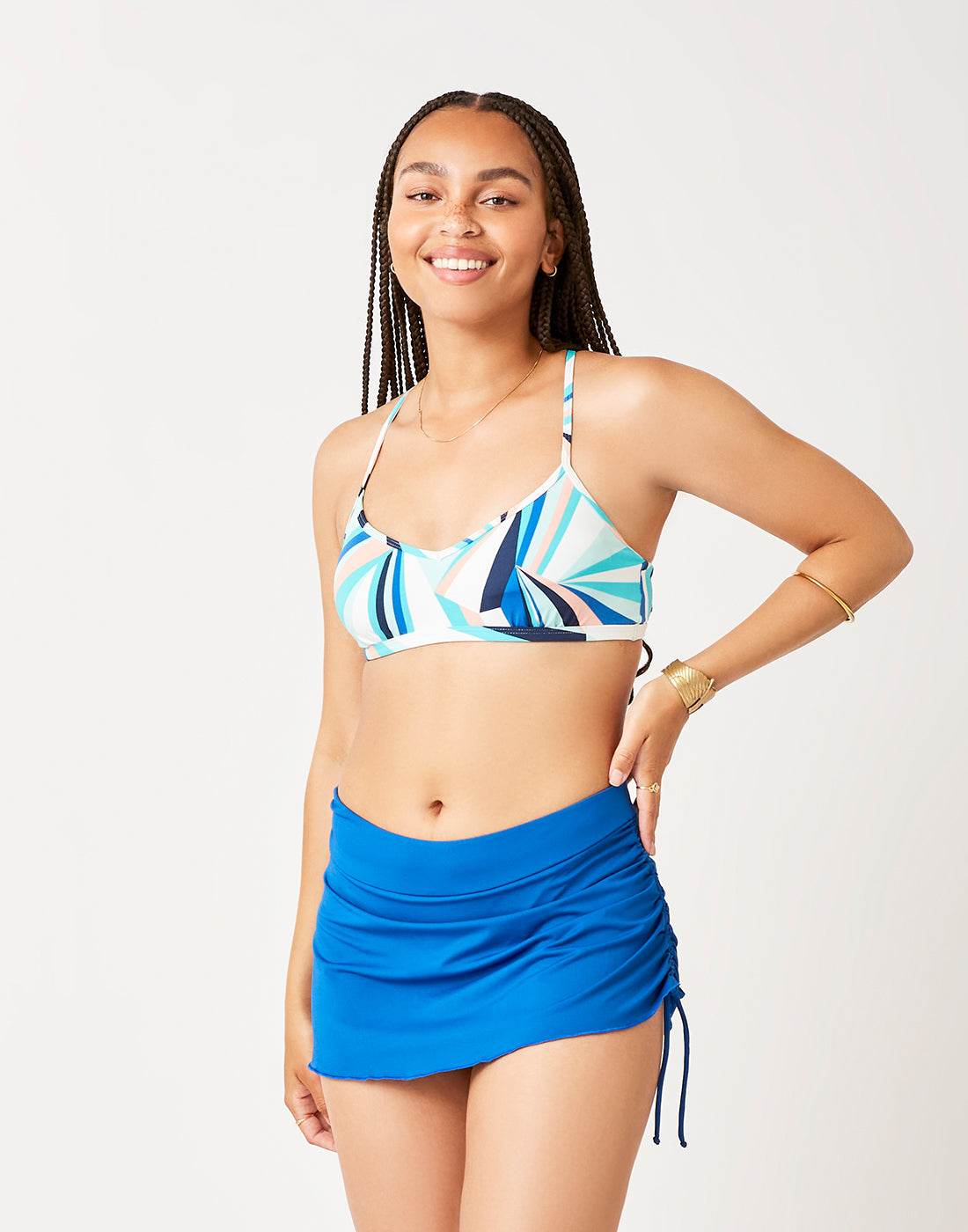
Full body swimwear brings extended coverage to time in the water, pairing the freedom of a swimsuit with fabric that reaches beyond the torso. The term generally describes swim clothing that covers the body, arms, and legs, although sleeve lengths, necklines, and leg lengths vary. Some designs combine everything in a single suit; others use coordinated tops and bottoms to create similar coverage with more flexibility in fit. Related terms include swim bodysuits, sunsuits, and dive skins, but those names do not guarantee the same construction or protective features. The details matter more than the label. Full-length sleeves and legs can appeal to swimmers seeking less exposed skin, surfers looking for coverage beneath their gear, or anyone who simply feels more comfortable with a little more fabric between their body and the world. There is room for personal style here, too: clean lines, thoughtful color placement, and an easy silhouette can make extended coverage feel natural rather than strictly functional. A close-fitting suit may suit lap swimming or snorkeling, while separate pieces can make it easier to find the right proportions through the shoulders, waist, and hips. Full body coverage also differs from full coverage swimwear, which often refers to greater coverage at the bust, torso, or seat without necessarily covering the arms and legs. For silhouettes that explore that distinction,
stylish full coverage swimwear offers a related direction. Neither approach needs to hide anything or satisfy someone else’s idea of a beach body. The best coverage is the coverage that lets the wearer settle into the experience, whether that means an unhurried swim, an afternoon paddling along the shoreline, or another attempt at catching a wave. A suit should leave attention free for the water, not demand a running negotiation with sleeves, straps, or a shifting neckline.
Materials and construction shape how full body swimwear feels over those longer stretches of activity. Nylon and polyester are common foundations for swim fabrics, often blended with elastane for stretch and recovery. Nylon blends can offer a smooth, supple hand, while polyester is often chosen for color retention and resistance to repeated pool exposure; actual durability depends on the complete fabric blend and its construction. Recycled fibers may be part of either fabric family, though recycled content alone does not establish a suit’s lifespan or performance. A fabric that stretches comfortably and returns to shape helps sleeves and legs stay close without making every reach feel restricted. Because extended-coverage suits use more fabric than traditional swimsuits, weight, lining, and drying characteristics deserve particular attention. Wet fabric should feel manageable rather than cumbersome, and lining can contribute to coverage and comfort without being equally extensive throughout the suit. Flat seams and thoughtfully placed stitching can reduce friction during repetitive strokes or paddling, especially beneath the arms and around the inner thighs. Zipper placement matters in equally practical ways: a front opening can simplify dressing, while a backing panel helps separate zipper teeth from skin. For sun protection, coverage and fabric testing are separate considerations. A verified ultraviolet protection factor rating describes how much ultraviolet radiation passes through the tested fabric; a UPF 50 fabric allows about one-fiftieth through, blocking approximately 98 percent. Full body swimwear is not automatically UPF-rated, and a rating applies to the fabric-covered areas, not exposed skin. Stretch, wear, and wetness can affect protection depending on the material and testing conditions, so the stated rating and care information remain important. Sunscreen on exposed areas and other sun-safe habits still have a place. Likewise, a lightweight dive skin is not the same as an insulating wetsuit, and extended fabric coverage should not be assumed to provide protection from every marine sting or abrasion.
Fit is where all those fabric details become personal. A well-fitting full body swimsuit follows the body closely enough to limit dragging or bunching while leaving space for a full breath, an overhead reach, and a comfortable bend at the hips. Torso length is especially important in one-piece designs: a suit that feels fine while standing can pull at the shoulders or crotch once the arms lift into a swimming stroke. Sleeve and inseam measurements help clarify whether cuffs will sit comfortably at the wrists and ankles rather than ride up or gather in folds. With separate pieces, the overlap between the top and waistband matters during reaching, sitting, and climbing onto a board. Support is another distinct consideration, since a higher neckline or more fabric does not necessarily provide bust support; lining, an underband, and purpose-built internal construction do different jobs. These small distinctions make extended-coverage swimwear useful across a range of routines, from regular pool sessions to paddleboarding and snorkeling trips. Someone spending much of a session face down in the water may particularly appreciate coverage across the back, while a frequent lap swimmer may prioritize smooth seams and a streamlined fit. For a gift, knowing the recipient’s preferred activities, usual coverage, and measurements is more useful than guessing from everyday clothing size alone. Thoughtful care helps preserve the qualities that make a suit comfortable in the first place. A fresh-water rinse after swimming removes salt, chlorine residue, and grit; washing according to the care label helps protect stretch fibers and any specialized finishes. Gentle handling, rather than wringing or twisting, reduces strain on seams and fabric. Drying away from direct heat and storing only when completely dry can help maintain shape and freshness. Rough pool edges, abrasive surfaces, and repeated pulling on cuffs can shorten a suit’s useful life, even when the fabric feels substantial. With the right proportions, suitable materials, and consistent care, full body swimwear can become an easy part of a water-loving routine: comfortable coverage that earns its place with every reach, kick, and paddle.