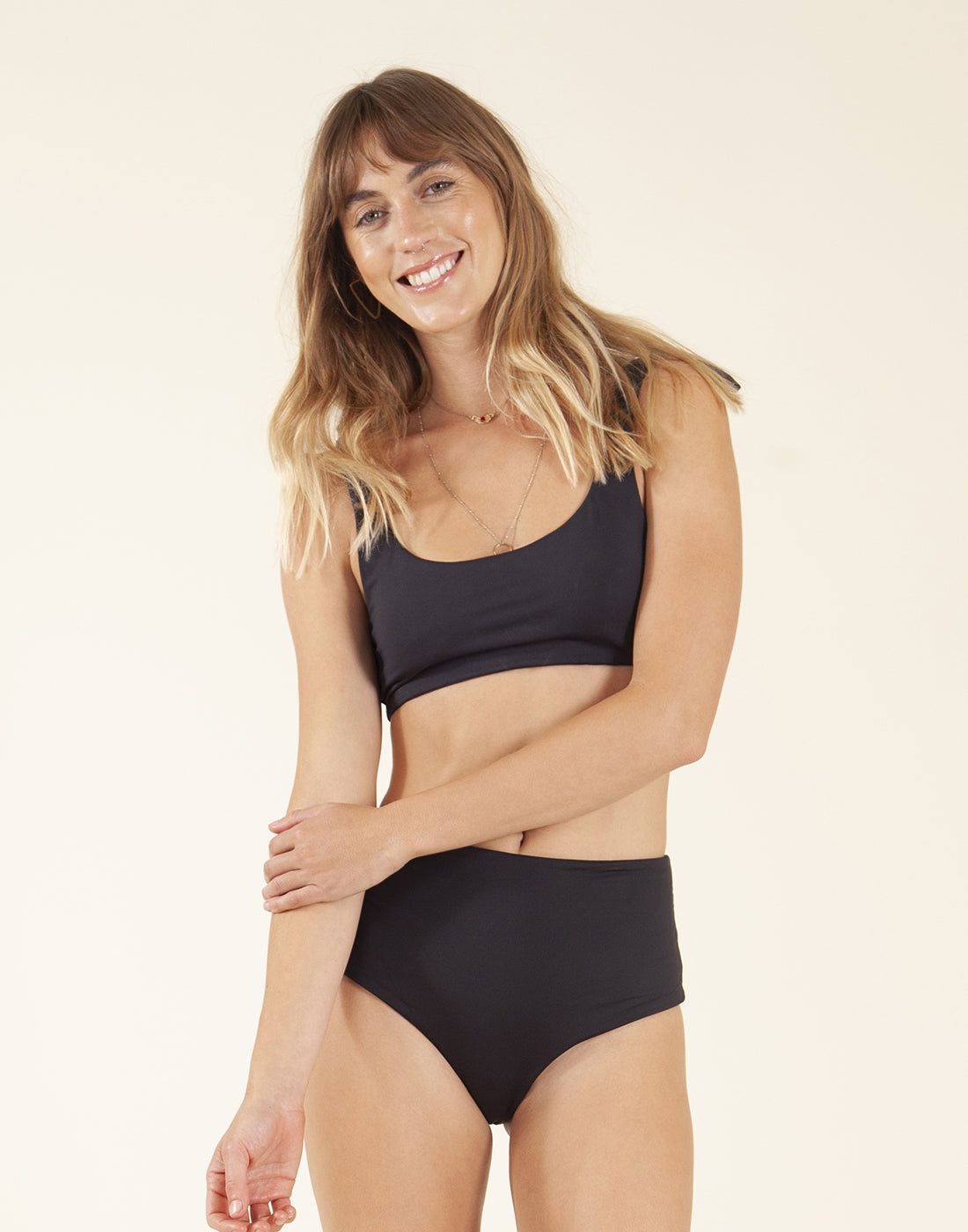
High waist beach shorts bring an easy sense of balance to beach-day dressing: a little more coverage at the waist, room to move through the leg, and a shape that pairs naturally with swim tops, tanks, and breezy button-downs. Their appeal goes beyond the shoreline. A comfortable high rise can feel just as at home on a boardwalk bike ride or a casual lunch stop as it does stretched out on a beach blanket with a paperback. The waistband typically sits near the natural waist, though its exact position depends on the cut and your torso length. That higher placement creates a defined silhouette without requiring a close fit everywhere else, leaving space for relaxed legs and an unhurried stride. Some shapes follow the hip before opening gently toward the hem; others have a straighter, roomier profile that feels especially easy when sitting or walking. Neither shape belongs to a particular body type. The best match is the one that feels comfortable through the waist, seat, and thighs while giving you the coverage you enjoy. A shorter inseam can create a leg-lengthening look, while a longer inseam offers extra coverage for movement and seated moments. Rise and inseam work together, so two pairs described as high waisted may look and feel quite different once worn. For a closely related take on this beach-ready silhouette, explore
beach high rise shorts. Across the category, the styling possibilities stay refreshingly uncomplicated: a tucked tank gives the waistband a clean line, an open shirt adds an easy layer over swimwear, and a loose tee keeps everything relaxed. Sandals and a canvas tote finish the look without making a beach outing feel like an outfit assignment. These are shorts for people who like their clothing to move comfortably between a sandy path, a café table, and whatever small detour makes the day more interesting.
Fabric gives high waist beach shorts much of their personality, influencing everything from how the waistband feels to how the legs drape after an afternoon of wear. Cotton fabrics can offer a soft, breathable feel for time spent on shore, with lighter weaves falling loosely and more structured weaves holding a clearer shape. Linen and linen blends often bring an airy texture and a relaxed finish; a few natural creases are part of that character rather than a sign that the day has gone off course. Fabrics containing nylon or polyester may be useful when lower water absorption and faster drying are priorities, although performance depends on the full fabric blend, weight, and construction. A touch of stretch can make bending, climbing steps, or settling into a low beach chair feel easier, but a thoughtfully cut nonstretch pair can also allow plenty of movement. Organic cotton or recycled fibers may appeal to shoppers who consider material sourcing alongside comfort; fiber details and care information provide a clearer picture than broad claims alone. Intended use matters here, too. Beach shorts are not automatically swim shorts, and a casual woven pair may become heavy, clingy, or slower to dry after getting wet. For repeated dips or paddling, fabric and construction designed for water use are more relevant than the beach-inspired name. For walks, lounging, and pulling on over a swimsuit, softness, coverage, and easy dressing may take the lead. Waistband construction adds another layer of comfort: elastic allows flexibility, a drawcord can help fine-tune the fit, and a flat front creates a smoother appearance under a tucked top. Pockets are handy for small essentials on land, though their depth and placement affect how the shorts sit when filled. A secure closure matters more than extra pocket space if the day involves active movement. Smooth seams, neatly finished edges, and fabric that feels substantial enough for its purpose all contribute to a pair that is pleasant to wear beyond the first try-on.
The everyday value of high waisted beach shorts shows up in the details that are easy to overlook on a hanger. A waistband should feel secure without digging in when you sit, and the seat should allow movement without pulling the back waist downward. Enough room at the leg opening makes stepping over driftwood, climbing onto a boat, or folding your legs on a blanket feel natural rather than negotiated. Fit preferences can change with the activity: a relaxed shape may be ideal for lounging, while a more secure waist can feel reassuring during a long walk. When worn over swimwear, the shorts also need space for the extra layer, especially around ties or textured fabric. Light shades and open weaves may offer less opacity, particularly when damp, so fabric density matters when coverage is a priority. Durability comes from both construction and care, not simply a heavier fabric. Reinforced areas around pocket openings and secure stitching at stress points can help with repeated wear, while following the care label protects the qualities that made the shorts comfortable in the first place. Sand shaken out before washing is less likely to linger in seams and pockets. After contact with salt water or chlorine, a prompt rinse can help remove residue when the fabric’s care directions allow it. Gentle washing and avoiding unnecessary heat can help preserve stretch and reduce wear; cotton and linen may also shrink if handled against their care instructions. Letting shorts dry fully before packing helps keep a beach bag from becoming an accidental laundry experiment. For travel, a versatile cut that works with several tops can simplify packing without making every outfit look identical. As a gift, this category suits someone who enjoys coastal getaways, poolside reading, or casual days near the water, especially when their preferred size, rise, and inseam are already known. Ultimately, the strongest appeal is simple: comfortable coverage, an adaptable silhouette, and enough ease to let the outing take center stage.