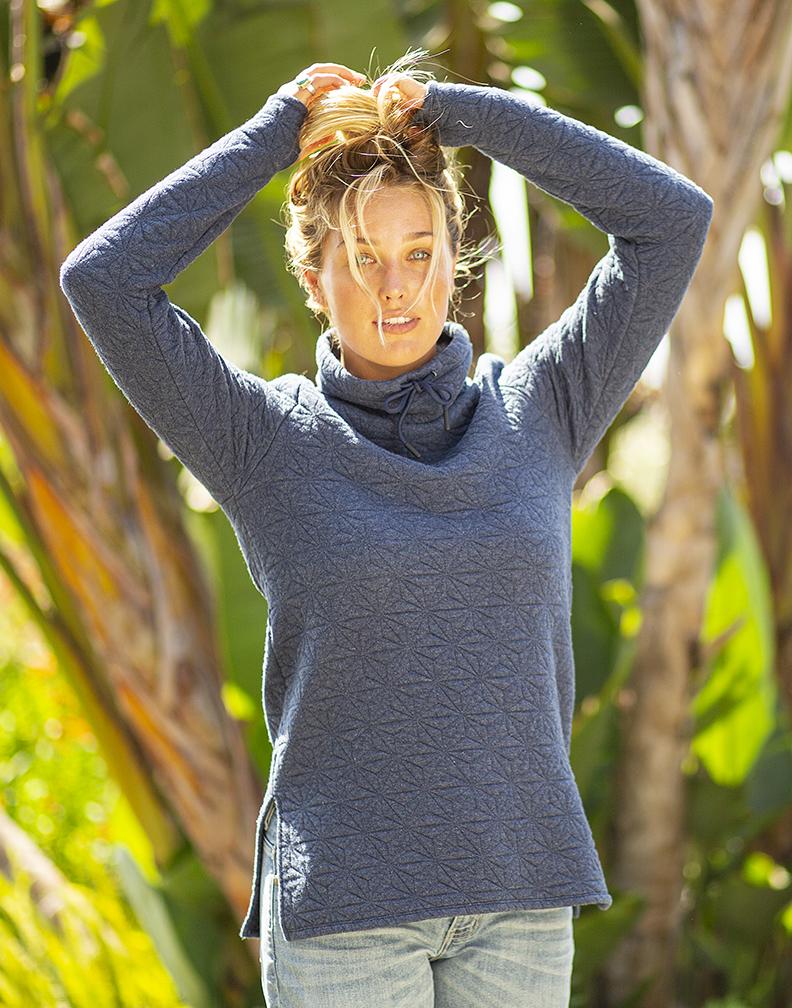
Tunics bring an easy balance of length, shape, and freedom to a Labor Day wardrobe, with the versatility to move from a backyard gathering to a coastal getaway without a complete outfit change. Defined by a longer silhouette than a typical shirt, a tunic generally falls below the hips, though its exact length depends on the cut and the person wearing it. That extra length creates a relaxed line over slim pants, straight-leg denim, or shorts, while details such as side slits, curved hems, and open necklines keep the shape from feeling heavy. For a holiday weekend that might include a picnic blanket, a passenger seat, and dinner on the patio, comfort comes down to more than a roomy outline. A shoulder seam that sits comfortably, sleeves that allow an easy reach, and a hem that does not catch across the hips all make a difference. Some tunic tops have a crisp, shirtlike structure; others drape softly and feel closer to a favorite tee. Neither approach needs much fuss to look pulled together. A woven tunic over narrow pants creates a clean silhouette, while a soft knit version pairs naturally with casual denim and flat sandals. At the beach, an airy tunic can also serve as a layer over swimwear, provided its fabric and care instructions suit that use. Lightweight cloth may be sheer, especially in pale colors or bright sunlight, so coverage deserves a closer look when the same piece will move between the shoreline and lunch. A tunic is not automatically a dress, even when its hem looks long in a photograph; checking the listed length helps clarify whether shorts, pants, or another layer belong underneath. The appeal of Labor Day tunics lies in that adaptable character: enough ease for a laid-back holiday, enough detail to feel intentional, and plenty of possibilities beyond the long weekend.
Fabric gives each tunic its personality, from the dry, textured hand of linen to the familiar softness of cotton jersey. Cotton is often a comfortable choice for everyday wear because it absorbs moisture and allows airflow, although fabric weight and construction affect how breezy it actually feels. A tightly woven cotton can hold a collar or cuff neatly, while a lighter weave tends to fall more loosely. Organic cotton describes how the fiber is grown rather than a particular texture or fit, so the fabric description still matters. Linen often has an airy feel and a gently irregular surface, with natural creases that suit an unfussy, beach-inspired look. Those creases are part of its character, not a reason to spend the holiday hovering over an ironing board. Blends can balance qualities such as softness, structure, stretch, or wrinkle resistance, but performance depends on the fibers and their proportions. Knit tunics usually offer more give than woven styles, making them comfortable for sitting through a long lunch or stretching an arm across the back seat. A woven silhouette can offer just as much freedom when the cut includes sufficient room through the back, upper arms, and hips. Fabric thickness also affects layering: a fine, fluid cloth slips under a jacket more easily, while a substantial knit may feel better as the main layer. Surface texture, stitching, and opacity help determine intended use as much as color does. An open weave has a different role from a dense, smooth fabric, even if both share a similar shape. For early-fall outings associated with Labor Day, a tunic that works alone or beneath a light layer offers welcome flexibility without needing to look overtly seasonal. Soft neutrals create an easy backdrop for textured bags and simple jewelry; stripes and prints can carry the outfit on their own. The strongest choice is a fabric that feels good against the skin and suits the routines it will join, whether that means frequent travel, relaxed gatherings, or everyday errands.
Fit is where a tunic becomes personal. A longer torso may need additional length to achieve the same coverage shown on a model, while a shorter frame may find that an extended hem reaches closer to the knee. Bust and hip measurements, shoulder width, and the actual garment length provide a more useful picture than the size label alone. Relaxed fit should leave breathing room without requiring constant adjustments at the neckline or cuffs, and extra width does not always solve a tight sleeve or narrow shoulder. For a silhouette with more space through the body,
loose fit tunics offer another way to approach easy dressing. Side openings can help a long hem move comfortably over the hips, while a shaped hem adds interest when worn untucked. Sleeve length matters during ordinary tasks, too: cuffs that roll securely stay clear of picnic plates, and a comfortable arm opening makes layering less awkward. These practical details also make tunics thoughtful gifts for someone who enjoys coastal trips, casual hosting, or clothing with several uses, especially when their preferred fabrics and usual fit are familiar. Durability depends on both construction and care. Even stitching, securely attached buttons, and neatly finished seams are useful signs of careful construction, though no single detail guarantees longevity. The care label should set the routine, since cotton, linen, knits, and blended fabrics can respond differently to washing and drying. Cool water and gentle handling may help preserve color and shape when the label allows them; high heat can cause shrinkage or affect stretch fibers. Knits often benefit from reshaping and drying flat as directed, while woven fabrics may need a light press or steam at the recommended setting. Sunscreen, salt, and small spills are easier to address when they are treated promptly according to fabric guidance. With a comfortable cut and a manageable care routine, a tunic can become a familiar favorite long after the Labor Day picnic is packed away.