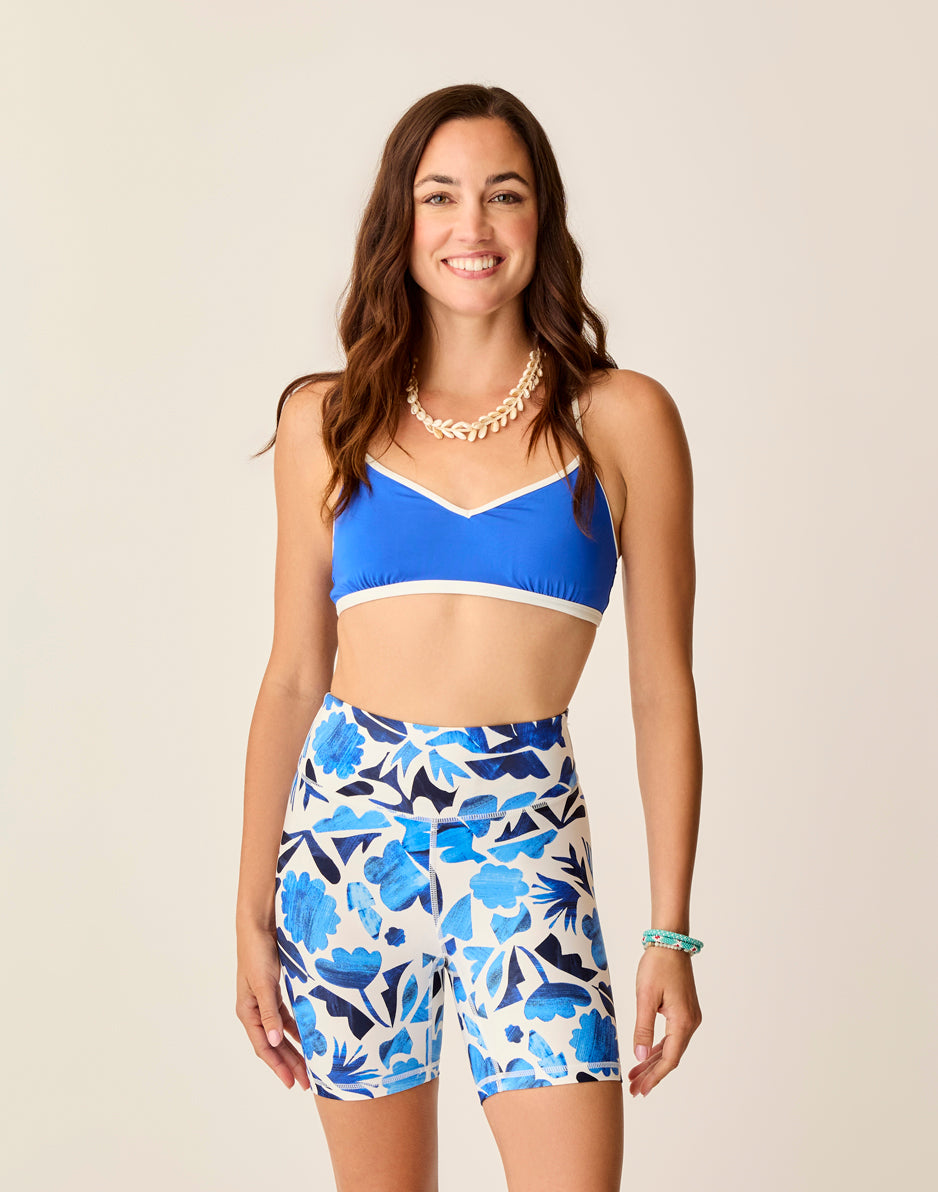
Ladies compression shorts are close-fitting stretch shorts designed to offer a held-in feel while allowing comfortable movement through workouts, walks, and everyday layers. Their appeal is straightforward: less loose fabric, steady coverage, and a smooth fit that can help reduce skin-on-skin friction along the thighs. For women heading to a studio class, following a coastal trail, or fitting a strength session between other plans, that combination makes a practical foundation. Compression varies by fabric and construction, so a soft, gently supportive pair can feel quite different from one with a firmer, more structured hold. Not every fitted athletic short delivers the same compression, and a snug silhouette alone does not establish a particular performance benefit. The most useful distinction is how the shorts feel during their intended activity: secure without restricting a deep breath, a full stride, or a comfortable squat. Nylon and polyester blends with elastane are common because they combine stretch with the ability to recover their shape. Nylon often has a smooth hand, while polyester is frequently used in lightweight athletic fabrics; the finished feel also depends on the knit, fabric weight, and finishing process. Moisture-wicking construction helps move perspiration away from the skin, and breathable fabric allows heat and moisture to escape more comfortably. Those qualities are especially welcome during indoor workouts when cooler weather calls for extra layers outdoors. Quick-drying fabric can also make the transition from a brisk walk to the rest of the day more comfortable, though drying time varies with thickness and conditions. A brushed surface offers a softer touch, while a slicker finish may slide more easily beneath joggers or loose shorts. Recycled fibers can be another consideration when their use is clearly identified in the fabric details. Across these variations, the goal stays refreshingly uncomplicated: shorts that feel good against the skin and leave plenty of attention for the activity, not the outfit.
Fit gives compression shorts much of their character, from the height of the waistband to where the hem lands on the thigh. Shorter inseams, often around three inches, leave more of the leg uncovered and can work well beneath another layer. Lengths around five to eight inches offer more thigh coverage and may help keep areas that rub together separated during walking or running. Height, torso length, and individual proportions all affect where those measurements fall, so an inseam is a useful reference rather than a promise of the same look on every body. Longer shorts are not automatically ride-up proof; fabric recovery, leg-opening tension, and overall sizing matter, too. A high-rise waistband offers more coverage through the middle and may feel reassuring during bends and reaches, while a mid-rise fit sits lower for those who prefer less fabric at the waist. Neither should dig in, fold sharply, or require a small negotiation before every set of stairs. Appropriate compression feels evenly snug, not painful, and should not cause tingling or numbness. Sizing down to create a stronger squeeze can compromise comfort and stretch the fabric beyond its intended fit. Hip and waist measurements, considered alongside the size chart, offer a better starting point. Flat seams and thoughtfully placed stitching can reduce bulky contact points, particularly along the inner thighs, although sensitivity to seams varies from person to person. A gusset can provide extra room for natural movement without pulling across the crotch. Fabric coverage matters as well: material that looks opaque while standing may become more sheer when stretched through a deep bend. Pockets add another practical detail, especially when a walk requires a key or a run calls for a phone, but placement and opening depth influence how securely those essentials stay put. For coordinating layers beyond shorts,
Women's Compression Wear offers a related category to explore. A comfortable combination should allow each layer to lie smoothly without bunching at the waist or catching along the hems.
Intended use helps separate a pleasant fit from a genuinely useful one. Running often calls for secure leg openings, minimal seam friction, and storage that keeps small essentials close to the body. Studio sessions may place more emphasis on unrestricted hip movement, a waistband that stays comfortable on the mat, and fabric that maintains coverage through stretches. For strength training, a stable fit through squats and lunges can be more important than the lightest possible fabric. Everyday layering has its own requirements: a smooth surface, unobtrusive seams, and enough length to ease thigh friction beneath a dress or relaxed pants. During the cooler months, compression shorts can sit beneath warmer layers without adding much bulk, though they provide limited warmth on their own. Athletic compression shorts are not necessarily padded cycling shorts, swimwear, or medical compression garments; those uses call for their own construction and specifications. A supportive feel can be appealing, but ordinary athletic shorts should not be assumed to prevent injuries or speed recovery. For frequent wear, durability comes down to how well the fabric, seams, and waistband retain their shape through stretching and laundering. Even stitching, resilient stretch, and a fabric weight suited to the activity are useful qualities, while repeated rubbing against rough benches, hook-and-loop fasteners, or abrasive surfaces can contribute to pilling and snags. Care labels take priority, but cool washing with a mild detergent and air drying are often gentle choices for stretch athletic fabrics. High heat can shorten the life of elastic fibers, and fabric softener may interfere with moisture-wicking finishes. Letting damp shorts dry rather than leaving them bundled in a gym bag also helps keep them fresh between washes. As a gift for someone who enjoys active days, compression shorts are most personal when the recipient’s preferred rise, inseam, and fit are already familiar. Whether worn for a neighborhood loop or tucked beneath an easy weekend outfit, the right pair earns its place through quiet comfort and dependable function.