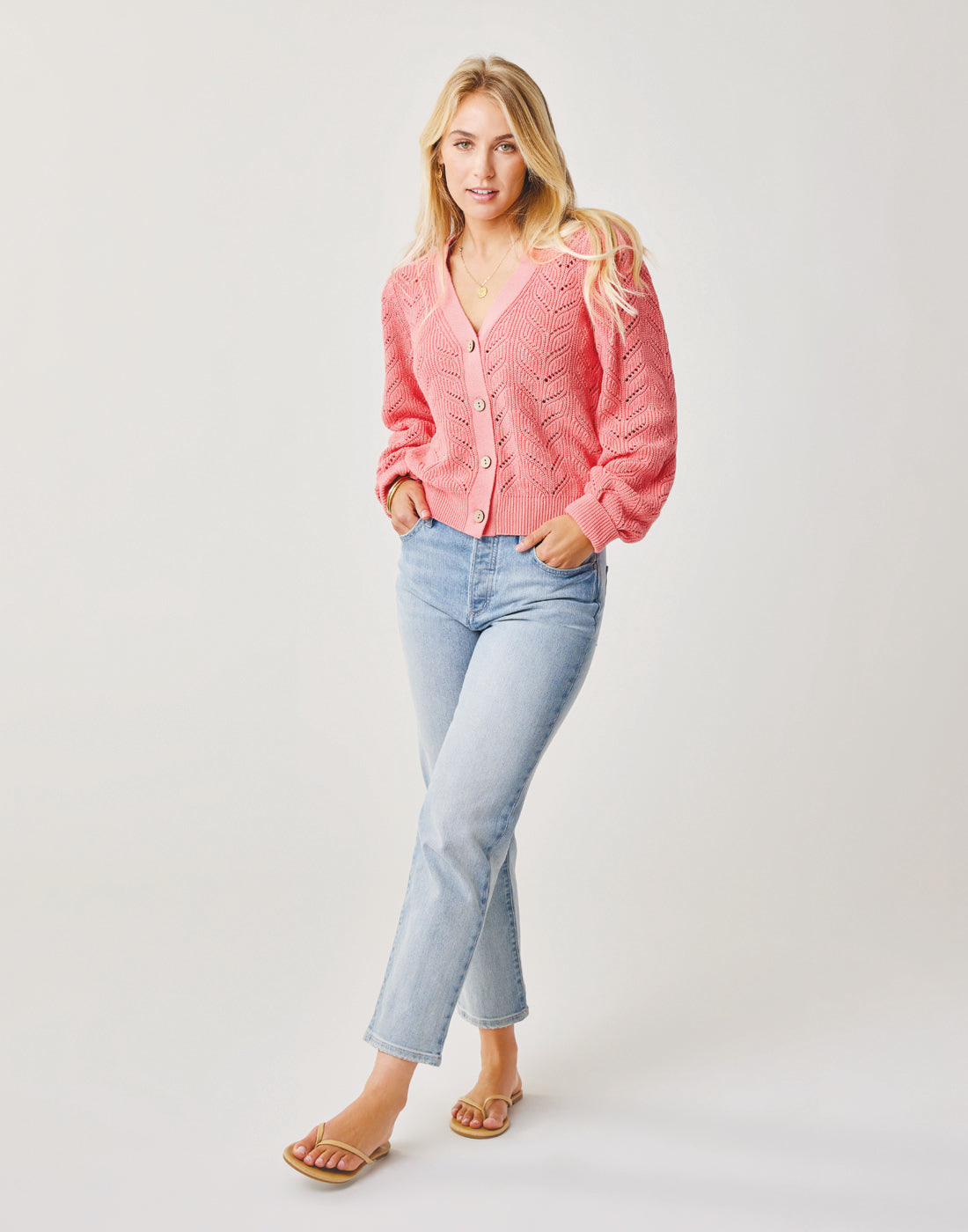
Lightweight straight leg pants bring an easy drape and a clean silhouette to everyday dressing, with less bulk than heavier trousers and a leg shape that stays relatively consistent from knee to hem. Unlike a tapered cut that narrows at the ankle or a wide leg that opens out more generously, a straight leg creates a balanced line with room to move. That simplicity is part of the appeal: the same silhouette feels at home with a cotton tee and slip-on sneakers, a tucked blouse and flats, or a relaxed button-down worn loose after a long travel day. For women who like clothes to keep pace without calling for an outfit change, lightweight straight leg pants can bridge casual office days, neighborhood errands, coffee dates, and hours spent in transit. The fabric makes much of the difference. Lightweight cotton often has a familiar, soft hand and a little structure, while linen typically brings a textured surface and a more relaxed finish. Cotton-linen blends can balance those qualities, though the exact feel depends on the weave and proportions. Fabrics containing lyocell or viscose often have a fluid drape that follows the body rather than standing away from it. A touch of elastane can add stretch, but stretch and a loose fit are not the same thing; a woven pair without elastane may still allow easy movement when the cut provides enough room. Lightweight also does not automatically mean breathable, opaque, or quick-drying. Fiber content, fabric density, finish, and color all affect how a pair performs. A smooth, closely woven fabric may look more polished, while a softly textured weave can feel more casual. These distinctions give the category its range, from easygoing pants for a slow breakfast to streamlined styles that hold their own through a full calendar. The goal is an uncomplicated shape with a fabric and finish that suit the way the day actually unfolds.
Fit gives lightweight straight leg pants their character, and small details can change the experience more than a product photo suggests. A straight leg describes the lower silhouette, not necessarily the fit through the waist, seat, or thighs. Some cuts sit close through the hips before falling straight; others offer a relaxed fit from the top down. Enough room through the seat and upper leg helps the fabric hang smoothly when standing and feel comfortable when sitting, whether that means a desk chair, a restaurant booth, or an airplane seat. Pulling across the hips, pocket openings that flare outward, or a waistband that rolls can signal that the proportions are not a comfortable match. Rise matters, too. A higher rise can work well with shorter tops or a tucked tee, while a mid-rise offers a different balance for anyone who prefers the waistband to sit lower. Elastic waists provide flexibility, drawstrings allow adjustment, and a flat front with a zipper or button closure generally creates a more tailored appearance. A combination of a smooth front and elastic at the back can offer both a neat finish and some give. Inseam length shapes the final look: an ankle-length hem leaves shoes visible, while a full-length cut makes a longer line and needs enough clearance to avoid dragging. The shoes worn most often are a useful reference, since a hem that works with a thicker sneaker sole may brush the floor with a slim sandal. Pockets deserve attention beyond their appearance. Deep front pockets can be practical for everyday essentials, but a phone or keys may pull on very light fabric and interrupt its drape. Smooth pocket bags and secure openings help keep the silhouette tidy. Color and opacity are equally practical considerations, particularly with lighter shades, where pocket outlines or contrasting underlayers may show. A comfortable fit should make sitting, bending, and walking feel natural rather than turn each movement into a negotiation with the waistband.
The best match for daily use comes down to how fabric, construction, and care work together. For travel, a softly draping pair with a comfortable waist can make long stretches of sitting easier, while a fabric that releases creases readily may simplify unpacking. For casual workplaces, a smooth finish, clean hem, and unobtrusive pockets can give lightweight straight leg pants a more pulled-together feel without the weight of traditional trousers. For downtime, soft seams and a flexible waistband may matter more than a sharply defined shape;
lightweight lounge pants offer a related direction when settling in is the main event. Straight leg pants can also suit gentle walks and everyday activity, although a lightweight feel alone does not make a pair appropriate for demanding exercise. Stretch, seam placement, moisture handling, and secure storage all become more important as activity increases. Durability is less about heft alone than about the quality of the fabric and the details holding it together. Even stitching, securely attached buttons, reinforced pocket corners, and neatly finished seams are useful signs of thoughtful construction. Very fine fabrics may need extra care around rough surfaces, hook-and-loop fasteners, or bags that repeatedly rub the same spot. Care instructions should always come from the garment label, because similar-looking materials can require different treatment. When permitted, a gentle wash with similar colors and lower-heat drying can help limit unnecessary wear; reshaping and smoothing the pants before air-drying can also reduce the need for ironing. Linen’s natural creases are part of its easygoing character, while other fabrics may benefit from steaming or ironing at the specified setting. For anyone drawn to lower-impact materials, clearly stated fiber content and credible certifications are more useful than broad sustainability claims. As a gift, this silhouette can suit someone who enjoys versatile, unfussy clothing, especially when their preferred rise, inseam, and waist fit are known. Chosen with those details in mind, lightweight straight leg pants offer something refreshingly practical: room to move, plenty of styling possibilities, and an easy place in the everyday rotation.