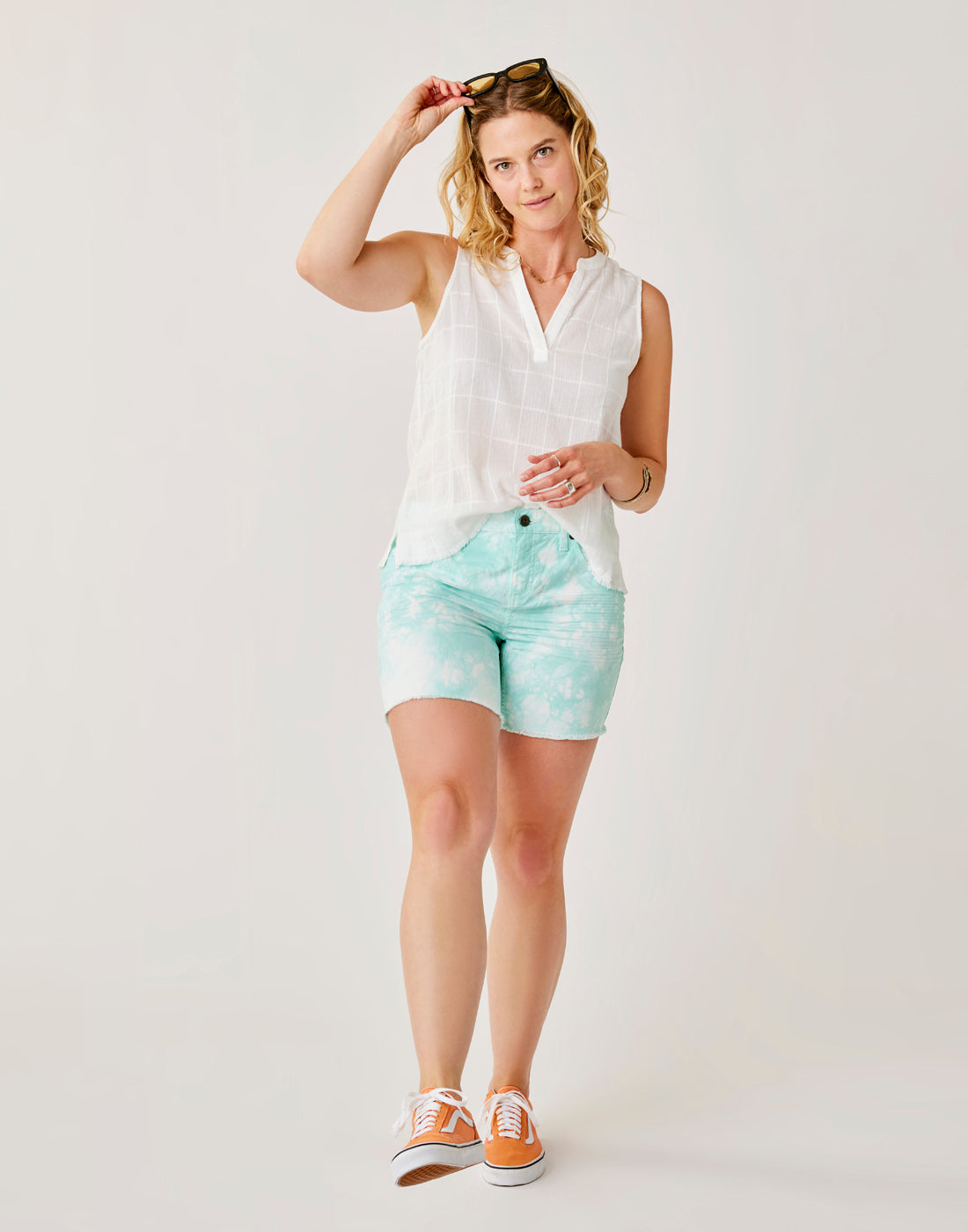
Loose fit lightweight clothing brings together two distinct qualities: a silhouette that leaves space around the body and fabric that feels light rather than bulky. The result is clothing with room to reach, sit, stroll, and settle in without a close, compressive fit. Loose fit describes the cut, while lightweight describes the material; neither automatically guarantees stretch, breathability, or sheerness. Those details depend on the fibers, fabric construction, and finishing. For women who prefer an easy shape, this combination can make everyday dressing feel less like a negotiation and more like second nature. Think long stretches in a passenger seat, a walk to a favorite coffee spot, or an afternoon that starts with errands and ends with dinner among friends. A relaxed silhouette can suit each setting without looking like clothing borrowed in the wrong size. Shoulder placement, sleeve length, neckline, and hem proportions give a roomy piece its structure, even when the overall shape is soft and flowing. A dropped shoulder creates a different effect from a shoulder seam that sits at the natural shoulder, while a straight cut hangs differently from a shape that widens toward the hem. The best choice depends on where extra ease feels good: through the shoulders, around the waist, across the hips, or throughout the silhouette. Loose clothing does not need to disguise the body; it can simply give personal style a little breathing room. For a broader look at light fabrics and easy-to-wear shapes,
Women's Lightweight Clothing offers a related place to explore. An outfit can feel relaxed from head to toe, or pair a flowing shape with a more defined one. A small front tuck, an open neckline, or a hem that lands just where intended can bring balance without taking away the comfort that made the clothing appealing in the first place.
Fabric is often what separates a piece that merely looks effortless from one that feels that way after several hours of wear. Cotton is a natural fiber valued for its softness and ability to absorb moisture, though its feel and drying time vary with the weave and fabric weight. A lightweight cotton woven fabric can have a crisp, slightly structured hand, while cotton jersey typically feels softer and offers give through its knit construction. Organic cotton describes how the cotton is grown, not a particular texture or thickness, so the fabric details still matter. Linen, made from flax fibers, often has a gently textured surface and a fluid or crisp drape depending on how it is woven and finished. Its characteristic creases are part of its relaxed appearance rather than a sign that an outfit has gone off course. Fabrics made with viscose or lyocell can offer a smooth hand and a closer, more flowing drape, although their care needs vary. Blends combine fibers to influence qualities such as stretch, wrinkle resistance, softness, or drying time. A small amount of elastane may add recovery and flexibility, while certain synthetic constructions are designed to move moisture and dry readily. Those performance features should be confirmed in the fabric description rather than assumed from a lightweight feel. Breathability depends on how readily air and moisture vapor pass through a fabric, and a dense weave can behave differently from an open one even when both use the same fiber. Opacity deserves attention, too: thin material is not necessarily sheer, but pale colors, open weaves, and tension across the body can affect coverage. Smooth underlayers in a shade close to the skin can help create an uninterrupted look where desired. For travel or days spent moving between activities, consider whether softness, packability, wrinkle tolerance, or easy washing matters most. A fabric that fits the routine is more useful than one that asks the routine to change around it.
Getting the fit right starts with the intended silhouette rather than automatically choosing a larger size. Clothing designed with a loose fit generally includes extra ease in the pattern, so sizing up can shift the neckline, lengthen sleeves, or place seams somewhere unintended. Size charts, body measurements, and any finished-garment dimensions provide different clues: body measurements help identify a starting size, while garment dimensions show how much space the finished piece allows. When trying on a relaxed shape, sit down, reach forward, and lift the arms to check for pulling or unwanted shifting. Waistbands should feel comfortable while seated, and roomy legs should still allow a stride without hems catching underfoot. For desk days, a little definition at the shoulder or waist can give soft fabric a polished direction; for downtime, uninterrupted drape may be the whole point. Lightweight layers also pack with less bulk, although wrinkle resistance and drying speed depend on the material rather than weight alone. Longevity comes down to more than thickness. Even stitching, secure seams, and fabric suited to its intended use matter, particularly where bags, seat belts, or repeated movement create friction. Loose, open constructions may be more prone to snagging, so rough surfaces and exposed hook-and-loop fasteners deserve a little distance. Care labels should always lead the laundry routine. Where permitted, a gentle wash, mild detergent, and lower drying heat can help limit unnecessary wear; delicate fabrics may need a mesh bag, reshaping, or flat drying. Check before applying an iron or steamer, since fibers and finishes tolerate heat differently. Fold pieces that may stretch on hangers, and avoid crowding fabrics that crease easily. As a gift, relaxed lightweight clothing can be a thoughtful choice for someone who values soft textures, comfortable movement, or a small, versatile travel wardrobe. Familiarity with the recipient’s preferred fabrics and proportions matters more than assuming a roomy cut will suit everyone. The lasting appeal is simple: considered fabrics and easy shapes leave space for the person wearing them, and for whatever the day has planned.