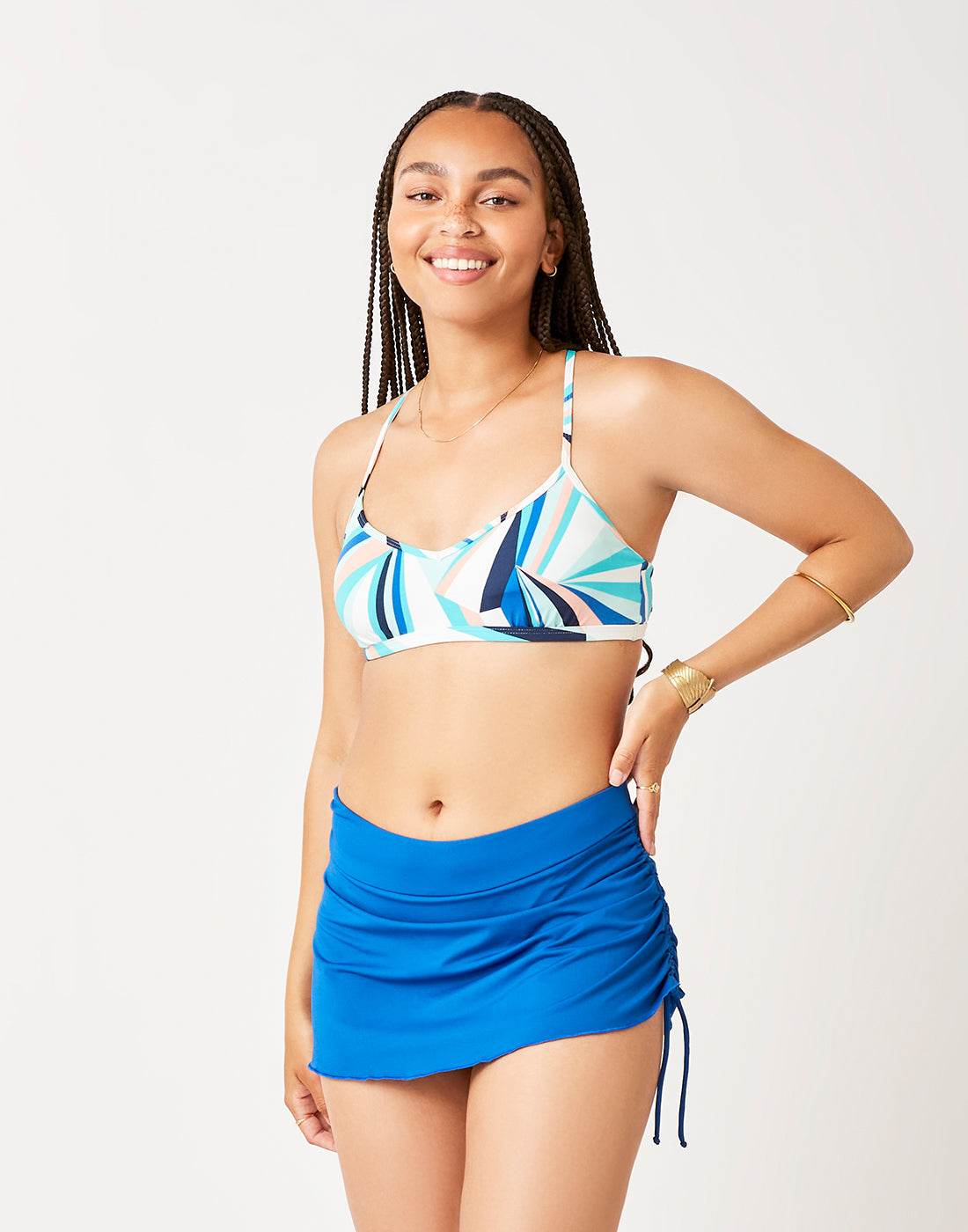
Ocean swimwear belongs in the space between a long swim and a little time with toes in the sand: comfortable enough to wear beyond the water, secure enough for a playful dip beneath a wave, and expressive enough to feel like you. The appeal is more than a beach-ready print or a flattering neckline. It is the way a suit stays close through a stretch, settles smoothly after a swim, and lets the shoreline take center stage. Bikinis, tankinis, and one-piece swimsuits bring different possibilities to that experience, with coverage and support that can suit everything from a leisurely float to an afternoon of paddling. Two-piece styles offer the flexibility to choose different sizes for the top and bottom, while a one-piece creates a continuous silhouette that can also slip easily beneath shorts for the walk back from the beach. A tankini offers another balance, combining coverage through the torso with the convenience of separate pieces. The right shape depends less on rules about body types and more on how someone likes to move and feel. A higher neckline may feel comfortable when leaning over a paddleboard, while an adjustable back can help fine-tune the fit before a swim. Fuller-coverage bottoms may appeal to someone who prefers extra fabric at the seat; a higher leg opening can offer a different look and feel around the hips. Neither is a requirement for confidence. Ocean-inspired colors and prints can echo the blues of open water, the soft neutrals of a sandy path, or the easy energy of a beach picnic without needing to match the scenery exactly. Mixing a patterned top with a solid bottom gives a swim wardrobe a personal rhythm, while coordinated separates keep getting dressed simple. Whether the destination is a familiar stretch of coast or a tucked-away cove on vacation, ocean swimwear works best when its style and purpose feel equally at home.
Fabric and construction shape how swimwear feels long after the first try-on. Swim fabrics often combine nylon or polyester with elastane, bringing together a smooth surface, stretch, and recovery that help a suit follow the body rather than fight it. The fiber blend is only part of the story: fabric weight, lining, seam placement, and the finish of elastic edges also influence comfort. A supple material can feel lovely against the skin, but a suit still needs enough structure for its intended use. For anyone drawn to a gentler feel,
soft swimwear offers another way to explore that balance of comfort and everyday beach style. A lining can add substance and coverage, while neatly finished seams help reduce distracting friction during repeated strokes or a long walk along the water. Recycled fibers can be a thoughtful material choice where specified, though the fabric label alone does not tell the full story of durability or fit. Those details deserve attention alongside the cut. A swim top should feel secure without leaving the shoulders to do all the work; a stable underbust band, adjustable straps, or other support features can make a difference depending on the design. Removable cups offer flexibility in shaping, but they are not a substitute for a well-fitting top. For one-piece suits, torso length matters just as much as the size on the tag. Pulling at the shoulders or tension through the crotch can signal that the proportions are not quite right. Bottoms should sit comfortably at the waist and leg openings without needing constant adjustments. Sitting, reaching overhead, and bending forward during a try-on can reveal more than standing still in front of a mirror. Fit should feel gently supportive rather than restrictive, with room for a full breath and an easy stretch. The goal is a suit that leaves attention free for the water, not the next adjustment.
Different ocean plans call for different details, and a little practicality leaves plenty of room for personality. For swimming laps parallel to the shore in suitable conditions, a streamlined shape and secure straps may matter more than decorative ties. Paddling or learning to surf can make stable coverage, smooth seams, and a close fit especially useful, since repeated contact with a board adds its own demands. A relaxed beach day might make adjustable ties or a favorite neckline the priority instead. Swimwear is not protective equipment, and even a secure suit does not replace appropriate flotation gear or awareness of local water conditions. Likewise, fabric coverage alone should not be treated as a verified sun-protection rating; any UPF claim needs to be stated for the garment itself. Beyond those practical distinctions, lasting comfort also depends on what happens after the beach bag comes home. Salt, sunscreen, body oils, and contact with rough surfaces can take a toll on swim fabrics over time. A rinse in fresh water after ocean use helps remove salt and residue, while washing according to the care label keeps the routine suited to the fabric and construction. When hand washing is advised, gentle handling and a mild detergent are usually kinder than vigorous scrubbing. Avoid wringing or twisting, and let the suit dry fully as directed before storing it rather than leaving it bundled in a damp towel. Taking a moment to sit on a towel instead of a rough rock or textured pool edge can help prevent snags, too. These small habits support repeat wear, which is part of what makes a well-chosen suit such a satisfying addition to a swim wardrobe. Ocean swimwear can also be a thoughtful gift for a devoted beachgoer or someone planning a coastal getaway, especially when their preferred size, coverage, and support are already known. For personal use or a carefully chosen gift, the lasting appeal comes from a simple combination: fabric that feels good, a fit that respects the body, and a design ready to join the next day by the sea.