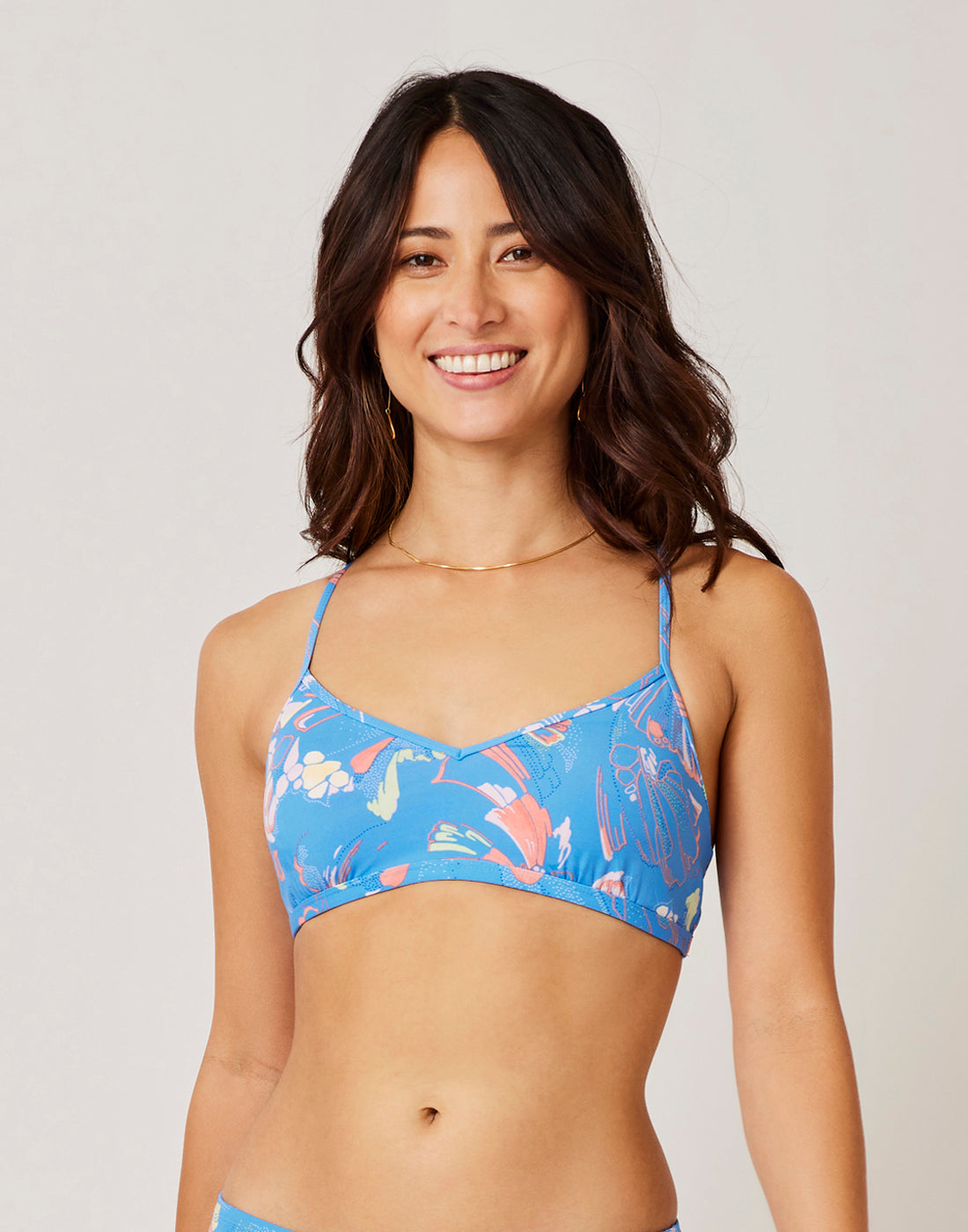
One shoulder swimwear brings an asymmetrical neckline to a familiar beach essential, with a single strap that leaves the opposite shoulder open. That diagonal line gives a swimsuit its distinctive look without needing much extra detail: a clean edge, a comfortable fit, and a silhouette that feels just as natural beside the pool as it does on a beach getaway. The shape can appear in one-piece swimsuits, bikini tops, and tankini tops, each offering a different balance of torso coverage and flexibility. A one shoulder one-piece creates a continuous silhouette from neckline to hip, while a one shoulder bikini allows the top and bottom to fit independently—a useful option when different sizes feel best through the bust and hips. Tankini shapes offer separate pieces with more coverage through the middle, though the amount depends on the top’s length and cut. None of these shapes belongs to a particular body type. The better match comes down to how much coverage feels comfortable, where support is needed, and what the day holds. Reading beside the pool and playing an enthusiastic round of beach paddleball put different demands on a suit. For relaxed lounging, an open neckline may be the main attraction; for swimming and active play, secure edges and a stable underband matter more. Solid colors let the diagonal neckline stand out, while prints can bring a playful quality to the same simple shape. A high-rise bottom adds coverage through the waist, while a lower rise leaves more of the torso open; neither determines how securely the top fits. Outside the water, the same asymmetrical detail carries into
women’s one shoulder tops, offering another way to enjoy that easy, off-center line. With swimwear, though, the appeal goes beyond the silhouette: fabric, construction, and a fit that stays comfortable when wet are what make the look enjoyable to wear.
Fit deserves particular attention in a one shoulder swimsuit because the neckline and single strap work together rather than relying on two shoulder straps. A wide strap can spread pressure over a larger area, but width alone does not establish support. A well-fitted underband, thoughtful seaming, and secure coverage at the open side all contribute to stability. Soft cups can provide shaping, and removable pads allow some flexibility, but neither automatically offers the lift or hold of more structured construction. For a fuller bust, enough room through the cups and a firm, comfortable band are especially useful; for a smaller bust, smooth contact along the neckline helps avoid gaps. Adjustable straps, when part of the design, offer another way to fine-tune the fit. The most revealing check is a little ordinary motion: reach for a towel, lean forward as if picking up a beach bag, and rotate through the shoulders. The neckline should remain comfortably in place without cutting into the skin or needing repeated attention. In a one-piece, torso length matters as much as bust and hip measurements. A suit that is too short through the body may pull at the shoulder or leg openings, while excess length can gather around the waist. With separates, check each piece on its own rather than assuming matching sizes will feel equally good. Swim fabrics commonly combine nylon or polyester with spandex, also called elastane, to provide stretch and recovery. The fiber percentages are only part of the story: knit density, fabric weight, lining, and construction influence how a suit feels and holds its shape. A soft, substantial fabric can feel secure without being stiff, while adequate recovery helps the neckline return to shape after stretching. Lining can improve comfort and reduce transparency, although no fiber blend alone guarantees opacity when wet. Recycled fibers may also be used in swim fabrics; their presence does not, by itself, establish durability or a complete environmental profile. Product descriptions and care labels are the best places to verify those details, along with any stated chlorine resistance or sun-protection rating, rather than inferring performance from the fabric’s feel.
One shoulder swimwear works best when its construction suits the activities ahead. A secure asymmetrical top can be comfortable for casual swimming, but a fashion-focused neckline should not automatically be treated as performance swimwear for repeated laps, diving, or strong surf. For higher-motion activities, look for explicit information about intended use and support, and pay close attention to how the open side fits. Coverage is equally personal: a higher neckline does not necessarily mean fuller coverage through the seat, and a high-cut leg does not determine bust support. Looking at those details separately makes it easier to find a combination that feels good from the first swim to the last stroll along the shore. Thoughtful care helps preserve that fit. After wear, rinse away salt, chlorine, sunscreen residue, and body oils with fresh water, then follow the care label for washing. Many swimsuits benefit from gentle hand washing with a mild detergent, though the appropriate method depends on the fabric and construction. Avoid wringing or twisting, which can strain elastic fibers and distort the single strap; gently press out excess water instead. Drying flat away from direct heat helps protect stretch and shape, and storing a suit only once it is fully dry keeps damp fabric from sitting folded in a bag. Rough pool edges, textured benches, and abrasive sand can snag or wear the surface, so a towel between the suit and a rough seat is a small habit with a useful payoff. Over time, check the strap, underband, seams, and leg openings for stretched elastic or loose stitching, particularly if the suit sees frequent pool use. As a gift, an asymmetrical swimsuit is most thoughtful when the recipient’s size, preferred coverage, and comfort with the neckline are already known. For personal wear, those same details make the difference between a suit that simply looks appealing and one that earns a place in the beach bag again and again.