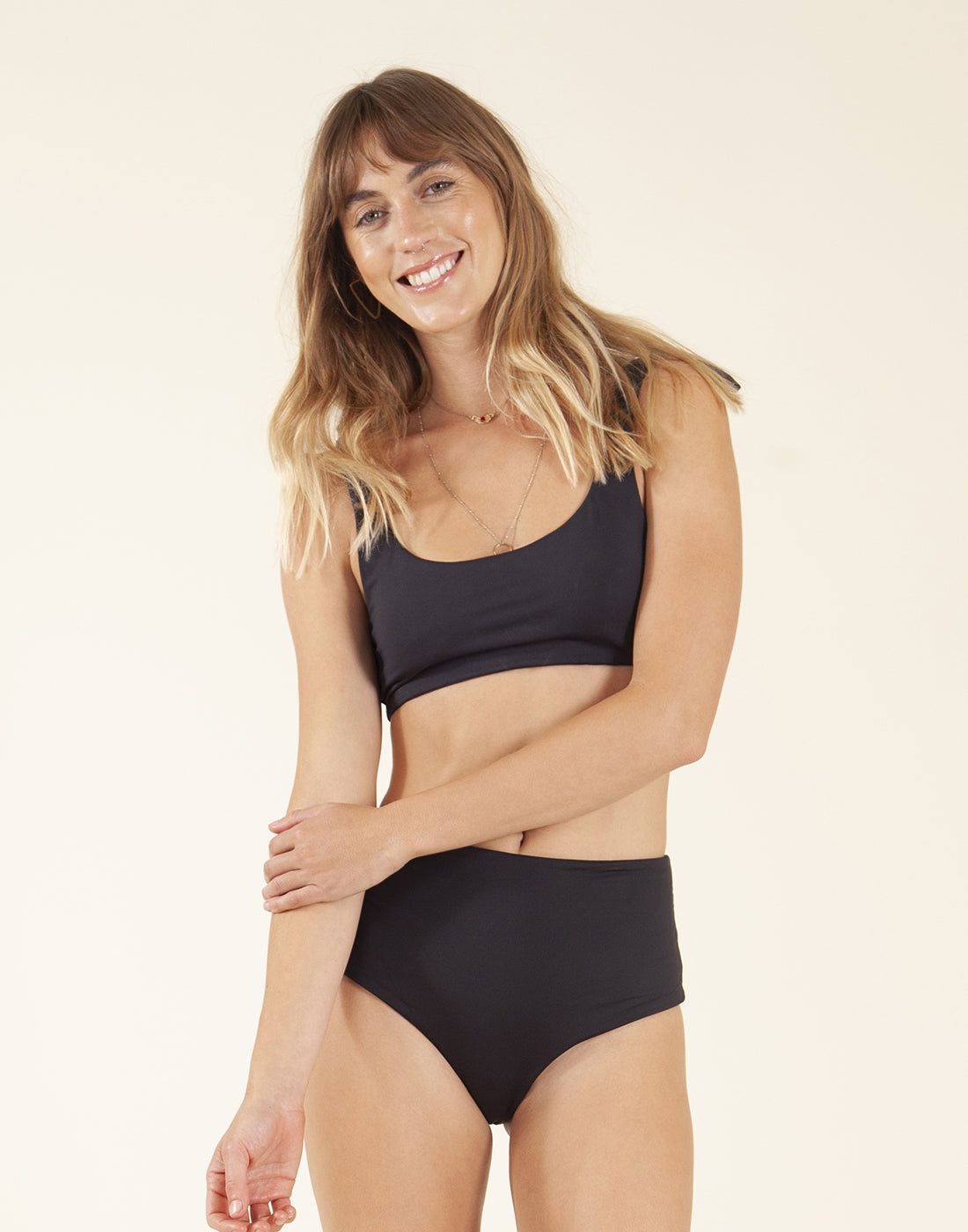
Retro swimsuits bring a little old-school charm to time by the water, combining familiar silhouettes with the ease and performance expected from modern swimwear. The look often includes high-waisted bottoms, defined waistlines, sweetheart or scoop necklines, wider straps, softly gathered fabric, and prints such as polka dots, gingham, stripes, or vintage-inspired florals. Some styles lean toward the playful spirit of the 1950s, while others borrow from earlier beachwear with fuller coverage and streamlined shapes. A one-piece can create a smooth, polished silhouette that moves easily from swimming to strolling along the boardwalk, while a two-piece offers flexibility for mixing colors, prints, and proportions. Swim dresses add another option for anyone who enjoys a skirted shape and a little extra coverage through the hips. The best retro swimsuit is not defined by a strict era or costume-like details; it is the one that feels natural to wear, fits comfortably, and suits the way you spend time near the water. Think of the look as a starting point for personal style: pair a classic silhouette with a modern solid shade, choose a vintage-inspired print in a fresh color palette, or keep the details subtle with ruching, contrast trim, or a clean high-rise waist. These designs work beautifully for pool days, beach vacations, lakeside weekends, resort travel, and sunny afternoons when a swimsuit needs to feel as considered as the rest of an outfit.
Fit is the most important consideration when choosing retro swimsuits, especially because classic silhouettes tend to draw attention to the waist, neckline, and leg opening. Begin with the size chart and compare your measurements with the garment measurements when they are available. A high-waisted bottom should sit comfortably at your natural waist or just above it without rolling, pinching, or creating pressure when you sit down. The leg opening should lie flat against the body while allowing a full range of movement, and the waistband should feel secure without becoming the first thing you notice. For a one-piece, check the torso length as carefully as the bust and hip measurements; a suit that is too short through the body can pull at the shoulders, while one that is too long may lose its intended shape. Adjustable straps, removable cups, supportive lining, and a stable underbust band can make a meaningful difference, particularly for swimming, paddleboarding, or an active day at the shore. Ruching can add texture and visual movement, while a smooth front panel creates a more streamlined appearance. Consider the level of coverage that makes you feel at ease, the amount of support you prefer, and whether you plan to spend your time floating, walking, playing, or lounging beneath an umbrella. If you like the flexibility of separates, browsing
Retro Bikini Bottoms can help you build a coordinated set around a preferred rise and coverage level. A practical fitting-room test is simple: raise your arms, bend, sit, and take a few steps. The swimsuit should stay comfortably in place rather than requiring constant adjusting.
Color and fabric also shape the experience of wearing a retro swimsuit. Dark solids and small-scale prints have a timeless feel, while gingham, dots, and florals bring a cheerful vintage note without requiring a full themed outfit. Larger prints can create a bold focal point, and contrasting bands or trim can emphasize the lines of a classic silhouette. When choosing between similar styles, consider the rest of your warm-weather wardrobe. A suit that works with a loose button-down, linen pants, a woven tote, or an oversized sun hat will earn more wear than one reserved for a single occasion. During cooler months, retro-inspired swimwear can remain useful for indoor pools, spa weekends, warm-weather getaways, and planning ahead for days when the forecast finally turns bright. It can also make a thoughtful gift for someone who enjoys beach trips, resort travel, vintage-inspired fashion, or a dependable swim wardrobe, provided you know their preferred size, rise, coverage, and color palette. When gifting, separates can be especially helpful because they allow for a more personalized fit, while a classic one-piece may suit someone who values an uncomplicated outfit. Look for durable construction, comfortable lining, and fabric designed to hold its shape through repeated wear and careful rinsing. After swimming, rinse the suit in cool, clean water and let it dry away from direct heat to help preserve its color and elasticity. With the right fit and a few easy styling companions, retro swimsuits can feel less like a costume and more like a familiar favorite: polished enough for a seaside lunch, comfortable enough for a long swim, and ready for whatever the day brings.