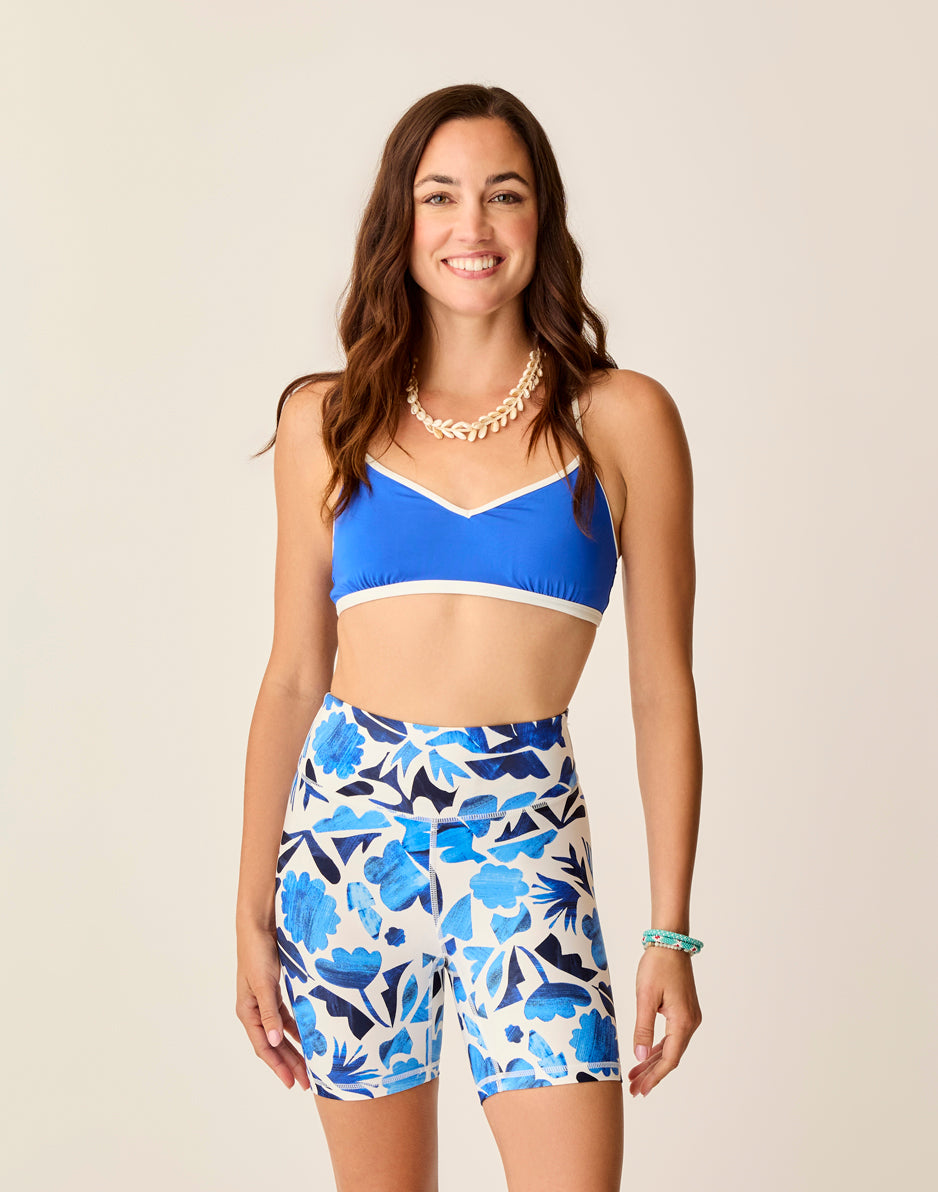
Solid Color Surf Tights
Solid color surf tights bring a sense of calm confidence to every wave, blending seamlessly into your beach day lineup. There’s something refreshingly uncomplicated about slipping into a pair that lets you focus on the ride—not the wardrobe fuss. Whether you’re catching sunrise swells or exploring tide pools, these versatile favorites are made for women who crave both movement and style. With a palette that plays well with everything in your closet, solid color surf tights are the understated heroes of any coastal adventure.
Show More


Solid Color Surf Tights
Solid color surf tights are close-fitting swim bottoms that extend along the legs, bringing the familiar feel of leggings to surfing, paddling, swimming, and other water activities. Their appeal is straightforward: more skin coverage, freedom to move, and a clean look that pairs easily with a favorite swim top or rash guard. Unlike everyday leggings, tights intended for swimming use fabrics and construction suited to getting wet, though stretch, drying time, and resistance to repeated water exposure vary by style. Full-length coverage can help reduce direct contact between skin and a surfboard, paddleboard, or other equipment, making these bottoms a practical choice for long sessions spent sitting, kneeling, and moving across a board. A smooth fit may also help limit rubbing, although seam placement and individual fit make a difference. For women who prefer additional coverage without a loose layer moving around their legs, surf tights offer a streamlined alternative to traditional swim bottoms. Solid colors keep the outfit simple without making it feel plain: a single shade can balance a lively floral top, echo one color in a printed rash guard, or create a coordinated head-to-ankle look. Sun protection deserves its own attention, since leg coverage alone does not establish a fabric’s protective rating. When a pair carries a tested ultraviolet protection factor of 50+, that rating indicates the fabric blocks at least 98 percent of ultraviolet radiation under the specified test conditions. Stretch, wear, and wetness can affect protection, depending on the fabric, so the stated rating and care information matter more than color or appearance. Sunscreen remains important on exposed skin, including the tops of the feet and any gap at the waist. Whether the day involves practicing a pop-up, exploring a quiet cove by paddleboard, or swimming a few unhurried laps, the right tights should let attention stay on the water rather than on constant outfit adjustments.
Fabric and fit do much of the work behind that easy feeling. Nylon or polyester blended with elastane is common in swim tights, combining a flexible base with the stretch needed for bending, kicking, and climbing back onto a board. The fiber percentages tell only part of the story; fabric weight, knit structure, lining, and construction also influence how a pair feels against the skin and behaves in the water. A smooth, lightweight fabric may feel less bulky, while a more substantial knit can offer a different sense of hold and coverage. Neither automatically guarantees opacity, so stretching the fabric over bent knees and checking it in bright light can reveal more than a quick look while standing still. Fabric can also look different when wet. A comfortable fit follows the body without leaving loose folds behind the knees or pulling tightly across the hips. At the waist, the goal is a secure feel that still allows a full breath and an easy seated position. A higher rise may provide more overlap with a swim top or rash guard, while an adjustable waist, when included, allows some fine-tuning. Compression should not be assumed from a snug silhouette; swim tights can fit closely without being designed to provide a particular level of compression. Seams are worth noticing, especially along the inner thighs, behind the knees, and anywhere the body repeatedly meets a board. Low-profile construction may help reduce friction, but even a smooth seam can become distracting if the size is wrong. A few simple movements tell a useful story: squat, reach overhead, bend forward, and lift each knee. The waistband should remain comfortable, the seat should stay covered, and the legs should move without tugging at the ankles. Body measurements and the size chart are more reliable starting points than a familiar size from another type of clothing. Tights that fit well on land should feel secure rather than restrictive, with enough give for the movements that happen between the beach and the next paddle stroke.
Thoughtful care helps preserve the stretch, surface, and fit that make solid color surf tights useful in the first place. A fresh-water rinse after swimming helps remove salt, chlorine, and sand before they linger in the fabric. Washing directions vary, so the care label should lead the routine; gentle washing and a mild detergent are common recommendations for stretch swim fabrics. Bleach, fabric softeners, and high heat may be unsuitable, depending on the material. Rather than twisting wet tights into a tight rope, gently press out excess water and dry them as directed. Putting a damp pair straight into a sealed bag may be unavoidable after a swim, but unpacking it promptly gives the fabric a chance to dry fully. Durability also depends on what happens outside the wash. Rough pool edges, textured decks, exposed hook-and-loop fasteners, and gritty seats can abrade the surface or cause snags, even when the fabric is made for active use. A towel between the tights and a rough sitting surface is a small habit with a useful payoff. Solid shades make repeated wear easy to style: one pair can work with several swim tops, and a rash guard can add coverage through the torso and arms without introducing another pattern. For a shorter silhouette, solid color compression shorts offer a different leg length to consider alongside full-length tights; the activity, coverage preference, and individual construction still determine the best fit. Surf tights can also make a thoughtful gift for a swimmer, paddleboard enthusiast, or surfer whose size and preferred rise are already known. Personal preferences matter here, from ankle length to waistband feel, so a favorite color is only part of the picture. The lasting appeal is practical versatility: comfortable coverage for moving through the water, a simple foundation for mixing swim separates, and fewer distractions when there is a board to balance or a stretch of shoreline to explore.