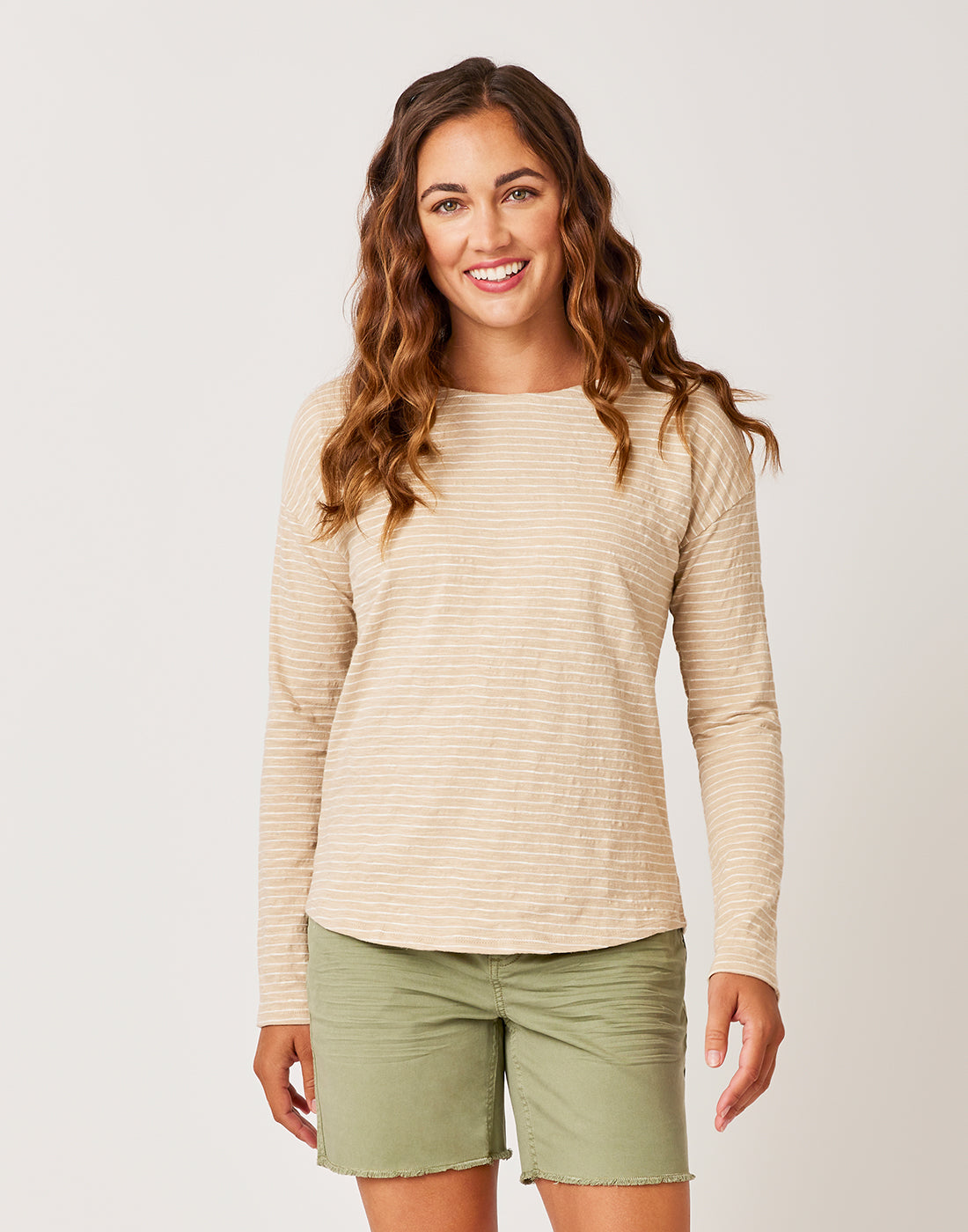
Sporty casual wear brings athletic ease to everyday dressing, combining comfortable fabrics and flexible silhouettes with the polish of casual clothing. The look sits between workout wear and a more structured outfit: relaxed enough for a walk along the water, put-together enough for lunch afterward. Its appeal comes from that balance, rather than from dressing as though every errand requires a training plan. Soft layers, easy waistbands, and clean lines suit days that move between school drop-offs, coffee stops, travel, and time outside. Unlike dedicated performance clothing, sporty casual clothing does not necessarily offer the technical features needed for intense exercise; its main purpose is comfortable, versatile daily wear with an active feel. Stretch, breathability, and freedom through the shoulders and hips can make a difference during a long drive or a neighborhood stroll, even when breaking a sweat is not on the agenda. A mix of relaxed and closer-fitting shapes gives the style definition without making it feel fussy. A streamlined lower half balances a roomier upper layer, while an easy, wider silhouette below works well with a more fitted shape above. Neither approach requires a particular body type, and the best balance is the one that feels natural while sitting, walking, and reaching. Solid colors and subtle textures make these combinations easy to repeat, while a brighter shade can bring a little coastal energy to an otherwise quiet palette. Minimal detailing creates a clean finish, but personality still belongs in the picture. Sporty casual style has room for sandy neutrals, ocean blues, playful color, and the familiar softness of a favorite layer. For occasions that call for a slightly more polished take on the same everyday ease,
Fashionable Casual Wear offers a related direction. Both approaches leave space for comfort; sporty casual dressing simply gives an active lifestyle a little more influence over the shape and feel of an outfit.
Fabric makes much of that easygoing character possible, and different materials serve different purposes. Cotton generally feels soft and breathable against the skin, making it a comfortable choice for low-key days and gentle activity. Organic cotton describes how the cotton is grown, rather than guaranteeing a particular texture or level of performance, so fabric weight and construction still matter. Cotton-rich fabrics can absorb moisture and take longer to dry than some technical alternatives, a useful distinction for anyone moving from a brisk walk into a chilly breeze. Blends containing polyester or nylon may offer quicker drying or greater abrasion resistance, depending on their construction, while a small amount of elastane can add stretch and help clothing recover its shape. Fiber content alone does not establish moisture-wicking ability, sun protection, or suitability for strenuous exercise; those features need to be stated in the clothing’s details. Texture also changes how sporty casual wear feels throughout the day. A smooth knit can sit comfortably beneath another layer, a looped interior can provide light warmth, and a brushed surface often feels cozy during the cooler months. Thicker fabric is not automatically warmer in every setting, especially where wind moves through an open knit. For breezy coastal walks or afternoons that turn cool, a breathable base, an insulating middle layer, and an appropriate outer layer offer flexibility without relying on one heavy piece. Indoors, that same approach makes it easier to adjust when a sunny window or warm café changes the temperature. Fabric weight also affects drape: lighter material tends to fall closer to the body, while a more substantial knit can give a relaxed silhouette greater definition. For travel and repeated everyday wear, a fabric that feels pleasant against the skin and settles comfortably after hours of sitting often earns its place more reliably than one chosen for appearance alone. The goal is clothing that feels just as considered at the end of the day as it did by the front door.
Fit and construction turn soft fabric into clothing that can keep pace with real life. A comfortable waistband stays in place without digging in when seated, and enough room through the rise, hips, and thighs allows an easy stride without constant adjusting. Through the upper body, shoulder placement and sleeve shape influence how freely arms can reach for a high shelf or carry a weekend bag. Stretch can help, but it should not have to compensate for a cut that feels restrictive. Depending on personal preference, a close fit may feel supportive and tidy, while a relaxed fit leaves more space for layering and airflow. Length matters, too: hems that clear the ground are practical for damp sidewalks, and sleeves that sit comfortably at the wrist stay out of the way during everyday tasks. Useful pockets, smooth seams, and neatly finished edges add convenience without demanding attention. Durability comes from a combination of fabric, construction, fit, and care, rather than a single fiber or a heavier feel. Areas exposed to repeated friction, such as the inner thighs and the places where a bag rubs, may show wear sooner; a comfortable fit can reduce unnecessary strain on seams. Following each care label helps preserve the qualities that made the clothing appealing in the first place. When permitted, washing with similar colors in cool water, turning clothing inside out, and keeping rough fasteners away from soft knits can help protect the surface. Excessive dryer heat may affect stretch fibers or cause shrinkage in some fabrics, while reshaping and air-drying as directed can help maintain the intended fit. Sporty casual clothing can also make a thoughtful gift for someone who loves relaxed weekends, road trips, or fresh-air breaks between busy days, particularly when their preferred sizing, fabric feel, and silhouettes are familiar. Above all, its usefulness comes from being easy to live in: comfortable on the journey, adaptable at the destination, and ready for the scenic route home.