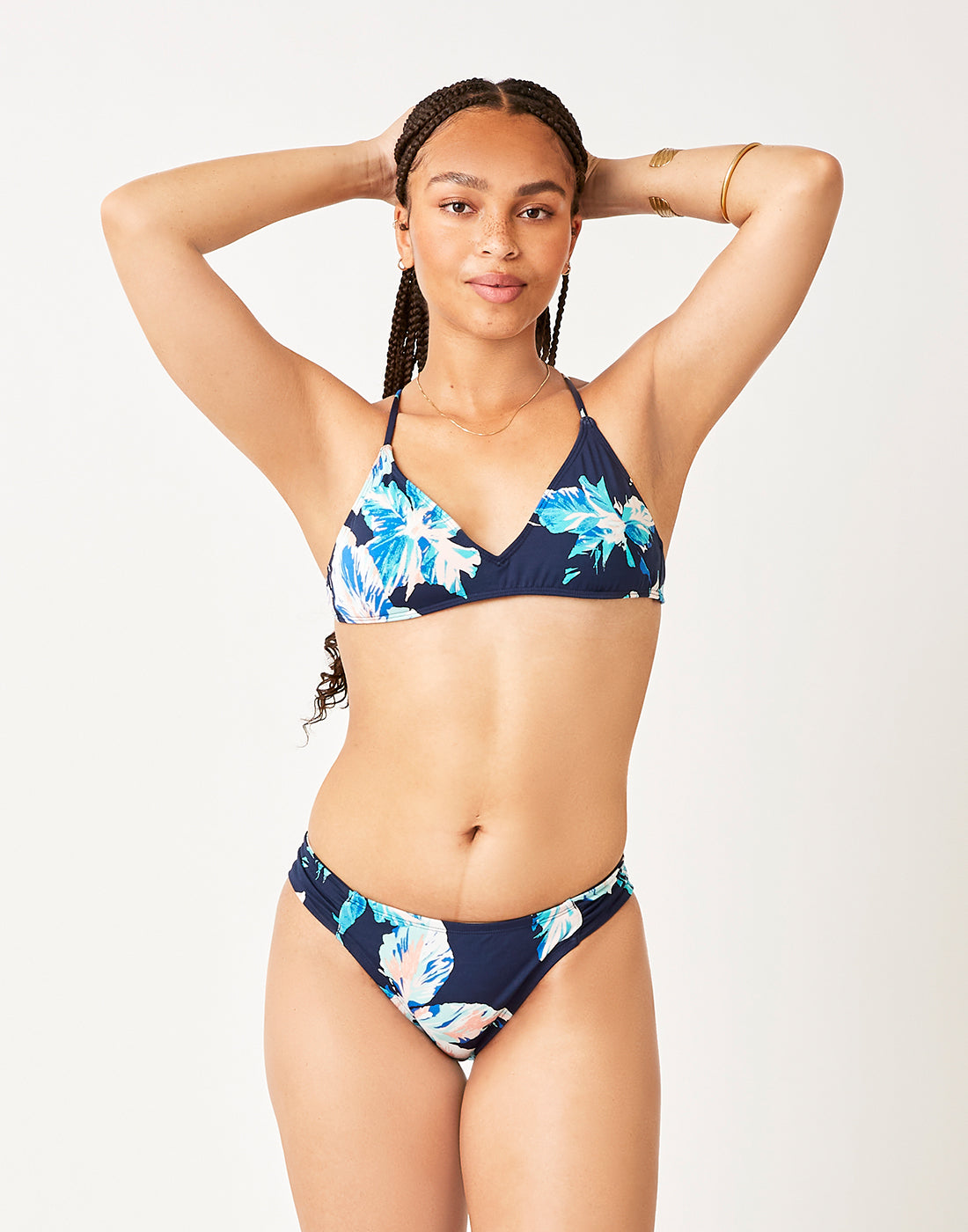
Stretchy bikini bottoms bring flexibility to swimwear, pairing a close fit with room to move through a swim, a paddle, or an afternoon spent wandering between the water and a beach blanket. They are typically made from nylon or polyester blended with spandex, also called elastane, which allows the fabric to stretch and recover its shape. That recovery matters just as much as the initial give: a bottom should move with the body, then settle back into place rather than feel loose after a few laps. Nylon blends often have a smooth, supple feel, while polyester blends can offer good color retention; the finished fabric, lining, and construction all influence how a suit actually wears. A higher spandex percentage does not automatically mean a better fit or a softer feel. Fabric weight, knit structure, and the tension of the elastic at the waist and legs make a noticeable difference, too. The most comfortable fit feels secure without asking the waistband to do all the work. Think of climbing a pool ladder, reaching for a paddle, or sitting cross-legged on a towel: the fabric should follow those movements without persistent pinching, slipping, or pulling. Stretch also helps accommodate the natural differences between waist and hip proportions, though it is not a substitute for choosing the right size. Smooth fabrics offer a clean, simple look, while textured knits and ruching add dimension and can change how the fabric feels against the skin. A lining can provide additional coverage and structure, but it should have enough give to work with the outer fabric rather than restrict it. For anyone drawn especially to a gentle, smooth touch,
Soft Bikini Bottoms offer a related focus. Softness describes the feel against the skin; stretch describes how the material extends and rebounds. Together, those qualities can make a bikini bottom feel easy to wear well beyond the first dip.
Rise, leg opening, and back coverage give stretchy bikini bottoms their distinct personalities, and each detail affects comfort in a different way. Low-rise bottoms sit closer to the hips, mid-rise shapes land between the hips and natural waist, and high-waisted styles offer more coverage through the torso. Exact placement depends on torso length and the cut, so the same rise can look different on two people. Back coverage is a separate consideration: a high waist does not necessarily mean a fuller seat, and a low rise can still offer generous coverage in back. Cheeky cuts leave more of the seat exposed, moderate coverage falls between minimal and fuller shapes, and full-coverage bottoms cover more of the seat without necessarily extending farther down the leg. Higher-cut leg openings reveal more at the hip, while lower-cut openings create a different line and may feel more contained. None of these silhouettes belongs to only one body type. The useful distinction is how each feels during the activities it is meant to support. For swimming and paddling, a secure waistband and leg openings that stay comfortably in place can help reduce distractions. For lounging or a relaxed dip, personal preferences around rise, texture, and coverage may take the lead. Wider side panels distribute contact across more of the hip, while narrower sides and adjustable ties create a lighter look and, in some designs, more room to fine-tune the fit. When trying on swim bottoms, sitting, bending, and taking a few steps reveal more than standing still in front of a mirror. Persistent digging, rolling, or shifting can point to a size or cut that is not the right match. Waist and hip measurements are a useful starting point, especially when checked against the relevant size chart rather than everyday clothing size alone. Stretchy fabric should feel comfortably close, not stretched to its limit. A fit that allows easy movement leaves more attention for the water and less for negotiating with a waistband.
Thoughtful construction and straightforward care help flexible swimwear hold onto its shape, feel, and color. Flat, neatly finished seams can reduce rubbing, particularly where the legs move repeatedly during swimming or walking. Elastic should feel evenly tensioned rather than tight in one area and loose in another, and the lining should lie smoothly without bunching. A thicker fabric may feel more substantial, but thickness alone does not guarantee durability or opacity when wet; material, color, lining, and how tightly the fabric is stretched all play a part. For frequent pool use, a fabric specifically described as chlorine-resistant may be worth considering, since ordinary stretch blends can gradually lose elasticity with repeated exposure. Recycled nylon or polyester can put existing materials back into use, though recycled content alone does not establish how long a suit will last. Clear fabric information and care directions offer a more useful picture than a broad sustainability claim. After swimming, rinsing bikini bottoms in fresh water helps remove salt, chlorine, and other residue. Washing according to the care label, using a gentle detergent when appropriate, and avoiding forceful wringing can help protect stretch fibers. Drying away from direct heat is generally kinder to elastic than a hot dryer, and putting swimwear away only once it is fully dry helps keep it fresh between outings. Rough pool edges, textured seating, and repeated friction from equipment can snag or abrade fabric, so a towel provides a simple buffer when sitting down. For a swimwear rotation, versatile colors and prints make it easy to pair bottoms with different tops, whether the preference is a coordinated set or a mix that feels more personal. A familiar cut can also make a thoughtful gift for someone whose size and coverage preferences are known; swimwear is personal enough that those details matter more than guessing a favorite color. From regular swims to a beach getaway, the appeal of stretchy bikini bottoms is practical and uncomplicated: flexible fabric, a dependable fit, and a silhouette that feels like a natural part of the day.