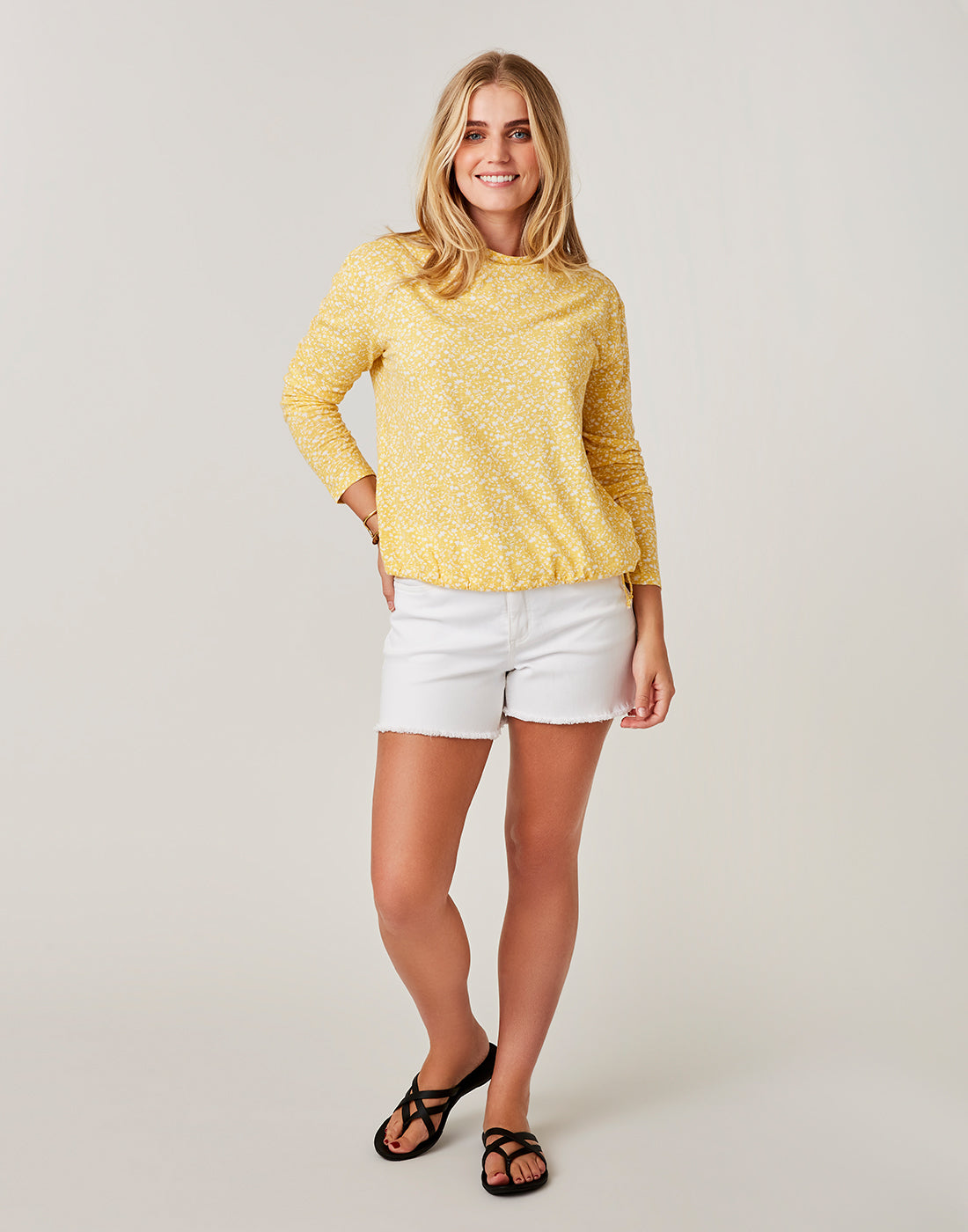
Stretchy denim shorts combine the familiar look of jean shorts with fabric that gives as the body moves. They are typically made from cotton blended with elastane, also called spandex, to add flexibility through the waist, hips, and legs. That little bit of give can make a difference when settling into a passenger seat, leaning down to clip on a dog’s leash, or sitting cross-legged at a picnic. Cotton provides denim’s recognizable texture, while stretch fibers help the fabric flex and recover. Some blends also include polyester, which can contribute to strength and shape retention. Fiber percentages offer useful background, but they do not tell the whole comfort story: the weave, fabric weight, finishing, and cut all influence how shorts feel. A lightweight stretch denim can drape softly, while a more substantial fabric may feel structured without being rigid. More stretch is not automatically better; the balance between flexibility and recovery matters just as much. Recovery describes how well fabric returns toward its original shape after being stretched, helping explain why two pairs with similar fiber labels can wear differently. Shorts that feel comfortable at the first button should also feel comfortable after an afternoon of sitting, standing, and walking. Wash and finish add another layer of personality. Dark indigo creates a clean, classic look, faded blue brings a lived-in feel, and visible fading or distressing adds texture. These details affect appearance rather than guaranteeing softness or durability. For everyday wear, the appeal is straightforward: denim’s easy familiarity, with enough flexibility to make a full day feel less restricted. Stretchy jean shorts work especially well for anyone who likes the character of denim but prefers a little give over the firm feel of a rigid cotton weave. They can anchor an outfit without asking for much planning, whether paired with a simple tank, a relaxed button-down, or a favorite T-shirt.
Fit gives stretchy denim shorts their personality as much as the wash does. A higher rise sits farther up the torso and can feel secure with tucked-in tops, while a mid-rise sits lower for a different balance of coverage and proportion. Rise descriptions can vary, so the listed rise measurement is more useful than the name alone. The same goes for length: inseam measures the inside leg seam from the crotch to the hem, making it a practical way to compare silhouettes. Shorter inseams leave more of the leg uncovered, while longer cuts extend farther down the thigh. Neither is inherently more comfortable; that depends on body proportions, intended use, and where the hem lands during movement. A little space through the leg opening can make walking and sitting easier, especially for anyone who prefers a relaxed silhouette. A closer cut offers a different look, but stretch should support the fit rather than compensate for a waistband that digs in or seams that pull. Comfort through the hips and thighs matters just as much as getting the button closed. Waistband gaping, tightness across the front, and hems that ride upward can all signal that a different size or cut may feel better. Measurements taken from a well-loved pair of shorts can provide a helpful reference when comparing size charts. Hem construction also changes the effect. Finished hems create a clean edge, cuffs add a folded detail, and
stretchy cut off shorts offer a casually undone finish. With raw edges, a little variation is part of the look, though the amount of fraying depends on construction and care. Styling can stay equally uncomplicated: a loose linen shirt balances a closer fit, while a tucked tee gives relaxed shorts a more defined shape. Flat sandals, canvas sneakers, and simple accessories keep the focus on an outfit that feels natural, whether the day includes neighborhood errands, a casual lunch, or a long-awaited getaway.
Thoughtful care helps preserve the fit, color, and texture that make stretchy denim shorts worth reaching for again. The sewn-in care label is the best starting point because fiber blends, dyes, and decorative finishes can require different treatment. When machine washing is permitted, turning denim inside out and washing with similar colors can help limit visible abrasion and reduce the risk of dye transferring to lighter fabrics. Cold water and a gentle cycle are often suitable for denim, but the label should take priority. Avoiding unnecessary washing can also reduce wear; a small spot may only need careful spot cleaning rather than a full wash. High heat can be hard on stretch fibers over time, so air drying or using a lower dryer setting, when allowed, helps protect the fabric’s flexibility. Reshaping the shorts gently before drying can keep seams and hems sitting neatly without pulling the fabric out of shape. Raw hems deserve an occasional check for loose threads, and trimming an overly long thread is generally gentler than tugging it. Durability also depends on construction: secure stitching, reinforced stress points, and a smoothly functioning closure matter alongside the fabric itself. Repeated rubbing from rough surfaces or overloaded pockets can wear down even substantial denim. For travel, stretchy shorts make an easy outfit foundation, especially when the waistband remains comfortable while seated and the pockets suit the essentials being carried. They can also make a thoughtful gift for someone whose size, preferred rise, and favorite length are already familiar. Matching those preferences matters more than guessing from a size label alone. Anyone interested in lower-impact materials can look for clearly stated fiber information, including organic or recycled content where specified, rather than assuming that stretch denim carries a particular environmental benefit. Ultimately, a useful pair balances comfortable give, dependable construction, and a shape that feels like an easy fit for everyday life.