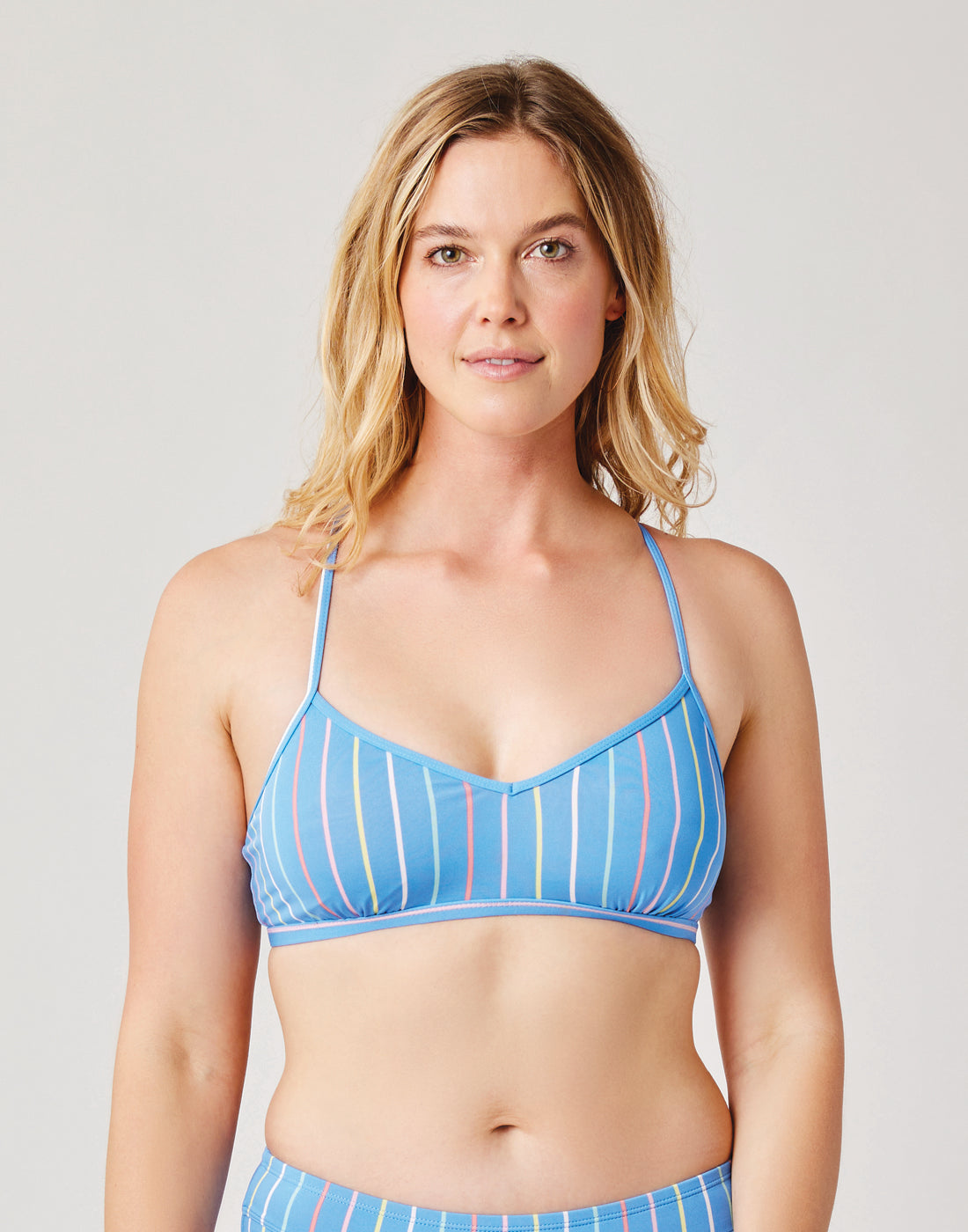
Striped clothing brings together repeating lines, thoughtful color combinations, and an easy sense of personality. From fine pinstripes to broad bands, the pattern gives everyday clothes a little structure without making getting dressed feel like a project. Its roots stretch from maritime uniforms and traditional shirting to relaxed sportswear, which helps explain why stripes feel equally at home beside denim, tailored pants, or a favorite pair of shorts. Breton-inspired horizontal stripes have a familiar coastal character, while narrow vertical stripes often feel closer to classic button-down dressing. Varied-width stripes add a more playful rhythm, and tonal combinations keep the effect subtle. Navy and cream offer a crisp contrast; softer shades blend more gently into an outfit. Neither direction nor width belongs to a particular body type. The best choice is the one that feels comfortable and looks like something the wearer would reach for again. For women building a versatile wardrobe, striped clothes can serve as the focal point or work almost like a neutral, depending on the scale and colors of the pattern. A striped layer with solid pants creates a clear, balanced outfit for a coffee stop followed by a day of errands. A fluid striped silhouette can feel relaxed enough for a long lunch yet polished enough for a dinner reservation. Browsing
Striped Tops offers another way to explore the pattern through pieces that pair naturally with familiar wardrobe favorites. Matching one stripe color to a solid elsewhere in the outfit creates a connection without requiring everything to coordinate perfectly. For a more expressive approach, stripes can sit alongside a small floral or another pattern with a shared color. The appeal is their flexibility: a little nautical, a little graphic, and never dependent on a complicated styling routine. They bring visual interest to simple shapes while leaving plenty of room for personal taste, whether that means clean lines, loose layers, or an outfit ready for an unplanned detour.
Fabric plays a large part in how striped clothing looks, feels, and moves. Cotton jersey typically has a soft, flexible hand that suits everyday wear, while woven cotton usually offers more structure and a clearer outline. Where organic cotton is specified, it describes how the cotton was grown rather than guaranteeing a particular texture or weight; the knit or weave still determines much of the finished feel. Linen often has small, natural variations in its surface and a relaxed drape, with creases that are part of its character. Blends containing fibers such as lyocell or viscose can have a more fluid fall, and a touch of elastane can provide stretch. Fiber content alone does not tell the whole story, though. Fabric density, construction, and finishing also affect softness, opacity, shape retention, and care. A lightweight knit may settle close to the body, while a more substantial fabric can hold its shape away from it. Those differences matter just as much as whether the stripes run across or down. Fit is most useful when considered through ordinary movement: reaching for a shelf, sitting through lunch, walking several blocks, or carrying a shoulder bag. Shoulder placement, armhole depth, sleeve width, and hem length all influence that experience. A relaxed fit leaves room to move and layer, while a closer fit can sit neatly beneath another piece without extra fabric bunching at the waist. Neither should require constant adjusting. For button-front shapes, enough room through the chest helps the fabric lie smoothly when seated; for pull-on styles, an opening that moves comfortably over the head makes daily wear easier. On striped pants or longer silhouettes, rise, inseam, and room through the hips deserve attention before the direction of the pattern. Size charts and garment measurements, where provided, are more helpful than assumptions about a size label. Comparing them with a well-loved piece already in the closet can make differences in length and ease easier to picture. The goal is clothing that follows the wearer’s day, not the other way around.
Lasting appeal comes from both construction and care. Stripes may be created with differently colored yarns or applied as a printed design, and each method can produce attractive, durable results. Yarn-dyed stripes are formed within the fabric, while printed stripes sit as a design on its surface; neither method by itself guarantees better quality. Neat stitching, secure hems, and fabric that recovers after gentle stretching are useful details to consider. Stripe alignment at seams can contribute to a tidy finish, although curved seams and deliberately contrasting panels may interrupt the pattern by design. Care should always follow the individual label, especially when a piece combines fibers with different needs. When machine washing is permitted, washing with similar colors, using an appropriate gentle cycle, and avoiding unnecessary heat can help protect the fabric and its finish. Turning printed pieces inside out may reduce surface abrasion, while reshaping knits before drying can help preserve their proportions. Some styles need flat drying rather than hanging, since the weight of a wet knit can stretch its shoulders or length. Treating a small stain promptly according to the care instructions is often kinder to the fabric than repeated heavy washing. For travel, the most useful striped clothes are those whose feel, fit, and care requirements suit the itinerary, whether that includes hours in transit, walking around a new neighborhood, or meeting friends for dinner. A cohesive color palette makes it easier to combine a few pieces in different ways, and a familiar fit removes some guesswork from packing. Striped clothing can also make a thoughtful birthday or thank-you gift for someone whose wardrobe already includes the pattern. A preferred neckline, familiar sleeve length, and colors they regularly wear are better clues than choosing a style purely for its visual impact. Easy-care fabrics may suit someone who values a straightforward routine, while a softer drape or distinctive stripe spacing may appeal to someone who enjoys texture and detail. Above all, the enduring charm of stripes is practical: they make everyday clothing feel considered, with enough character to stand on its own and enough ease to become a repeat favorite.