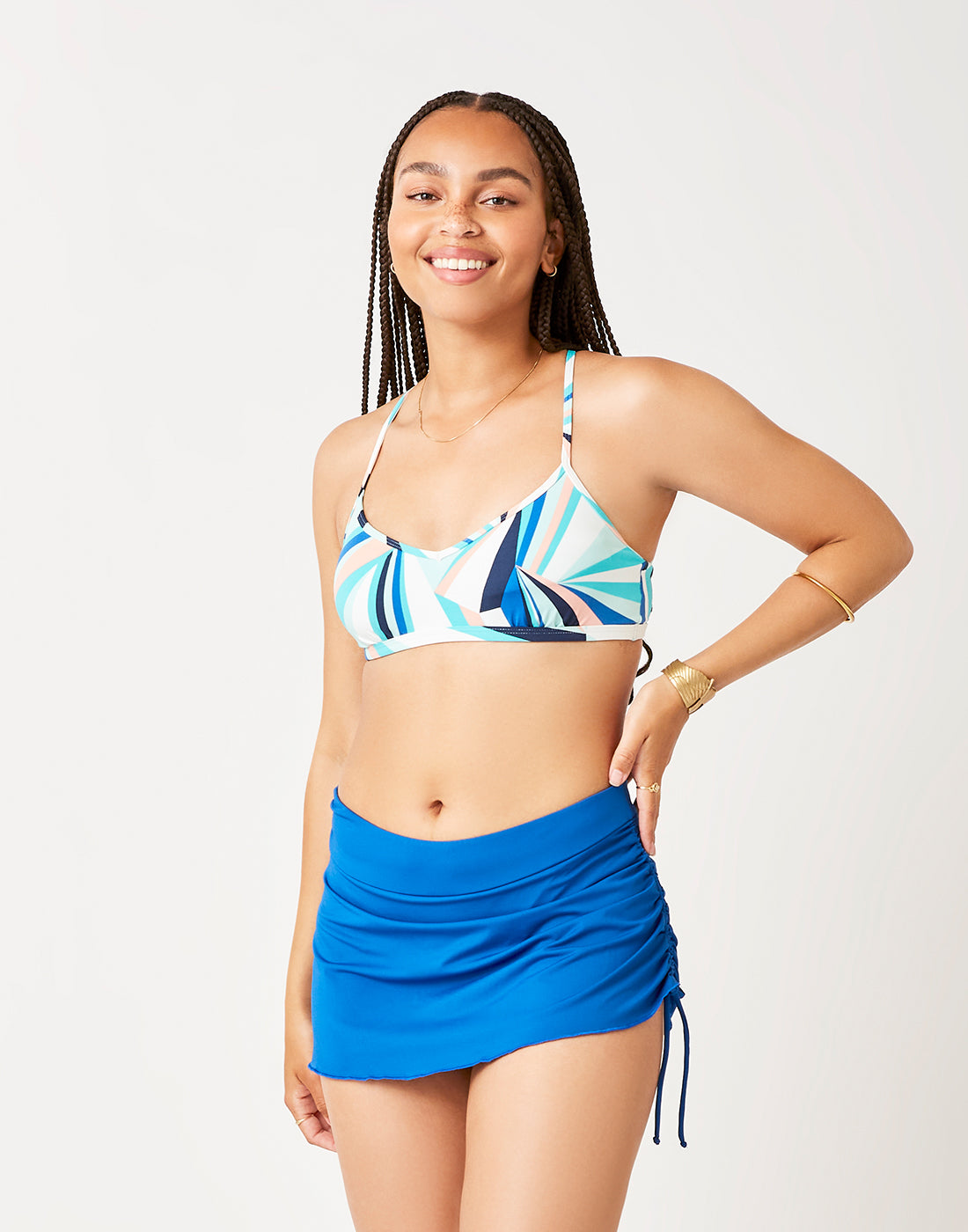
Swimming outfits are made for the moments when the water becomes the best part of the day: a few quiet laps before breakfast, a long float in a sheltered cove, or an afternoon that moves between the beach and a shady lunch spot. The right combination feels comfortable in the water and easy on dry land, with coverage, support, and styling that suit the person wearing it. One-piece silhouettes offer a connected fit through the torso, while two-piece styles allow different sizes and shapes to come together in a more personalized way. Neither approach belongs to a particular body type or age; the useful distinction is how each feels when reaching overhead, sitting on a towel, or pushing away from the pool wall. A swimming outfit can also extend beyond the suit itself, with a swim-ready layer for extra coverage and lightweight clothing for the walk back from the shore. Exploring
women's swimming costumes brings the focus back to that foundation: something that stays comfortable through both motion and downtime. Necklines, strap widths, back shapes, and leg openings all influence the feel of a suit, even when two silhouettes look similar on a hanger. A higher neckline may feel reassuring during an energetic swim, while adjustable straps can help fine-tune the distance between shoulder and bust. Higher-rise bottoms offer more coverage through the waist, and lower-rise shapes leave more of the midsection open; the better choice is simply the one that feels good during the day's plans. Color and pattern add another layer of personality, whether that means a quiet solid, a coastal stripe, or a print with a little vacation energy. Coordinated separates create a pulled-together look, while mixed colors make room for individual taste. During the cooler months, swimming outfits still earn their place in a bag headed for an indoor pool, a heated outdoor swim, or a warm-weather escape. Good swimwear belongs to the activity, not just the forecast.
Fabric and construction do much of the quiet work behind a comfortable swimming outfit. Many swim fabrics blend nylon or polyester with elastane, combining a smooth surface with stretch that allows the body to move. Nylon blends often have a soft hand, while polyester is frequently used in fabrics designed for repeated pool use; actual performance depends on the full fabric blend and construction rather than a single fiber name. Elastane contributes flexibility and recovery, helping a suit return toward its original shape after stretching. Recycled fibers can be part of that blend, though fiber origin alone does not establish how supportive, durable, or quick-drying a suit will be. Those qualities are worth checking in the fabric and care details. Lining can affect coverage, comfort, and the way fabric sits against the body, especially once wet. Smooth seams and neatly finished edges matter around the underarms, neckline, and leg openings, where repeated motion can turn a small irritation into a distraction. A secure fit generally feels close without pinching, with straps that stay put and openings that do not gape when bending or reaching. Torso length is especially important in a one-piece: pulling at the shoulders or excessive tension through the body can signal that the proportions are not quite right. For two-piece outfits, fitting the top and bottom separately can accommodate differences between bust, waist, and hip measurements without asking one size to do everything. Bust support may come from an underband, shaped cups, an underwire, wider straps, or a combination of features, and the preferred amount depends on both comfort and activity. A gentle swim and a lively afternoon in the surf ask different things of the same suit. Trying a few everyday motions before heading out—raising the arms, twisting at the waist, and sitting down—can reveal more than standing still in front of a mirror. The aim is a suit that lets attention stay on the water rather than on constant adjusting.
Intended use also shapes the layers and finishing details that make swimming outfits practical. For regular pool sessions, secure straps, comfortable arm openings, and fabric suited to chlorine exposure can matter more than decorative details. For paddleboarding or an easy beach swim, coverage that stays in place through reaching and climbing back aboard may be especially useful. A rash guard can add coverage across the shoulders and arms, but sun protection should never be assumed from coverage alone; look for a stated ultraviolet protection rating and follow the garment's use and care guidance. Swimwear is not a substitute for the rest of a sun-protection routine. Out of the water, a breathable shirt or an easy cover-up makes the transition to a picnic table or rental-house porch feel natural, while a dry layer is welcome when a breeze picks up. Keeping a spare suit on a longer trip gives a freshly rinsed one time to dry without stretching it over a hot railing. Care habits make a meaningful difference to longevity: rinse swimwear in cool, fresh water after exposure to salt, chlorine, or sunscreen, then follow the sewn-in washing instructions. When hand-washing is advised, gentle handling and a suitable mild detergent help avoid unnecessary stress on the fabric. Rather than wringing a suit tightly, press out excess water carefully and let it dry as directed, away from strong heat. Rough pool edges, textured benches, and rocky ledges can snag or abrade even sturdy swim fabric, so a towel offers a simple buffer when sitting down. Letting swimwear dry fully before storing it also helps prevent the stale smell that can develop in a damp beach bag. As a gift, a swimming outfit is most personal when the recipient's size, preferred coverage, and favorite activities are already familiar; fit preferences deserve as much attention as color. Whether chosen for a frequent swimmer, a coastal traveler, or someone who treasures an unhurried pool day, the lasting appeal is the same: comfortable fabric, thoughtful construction, and a fit that leaves plenty of room to enjoy being there.