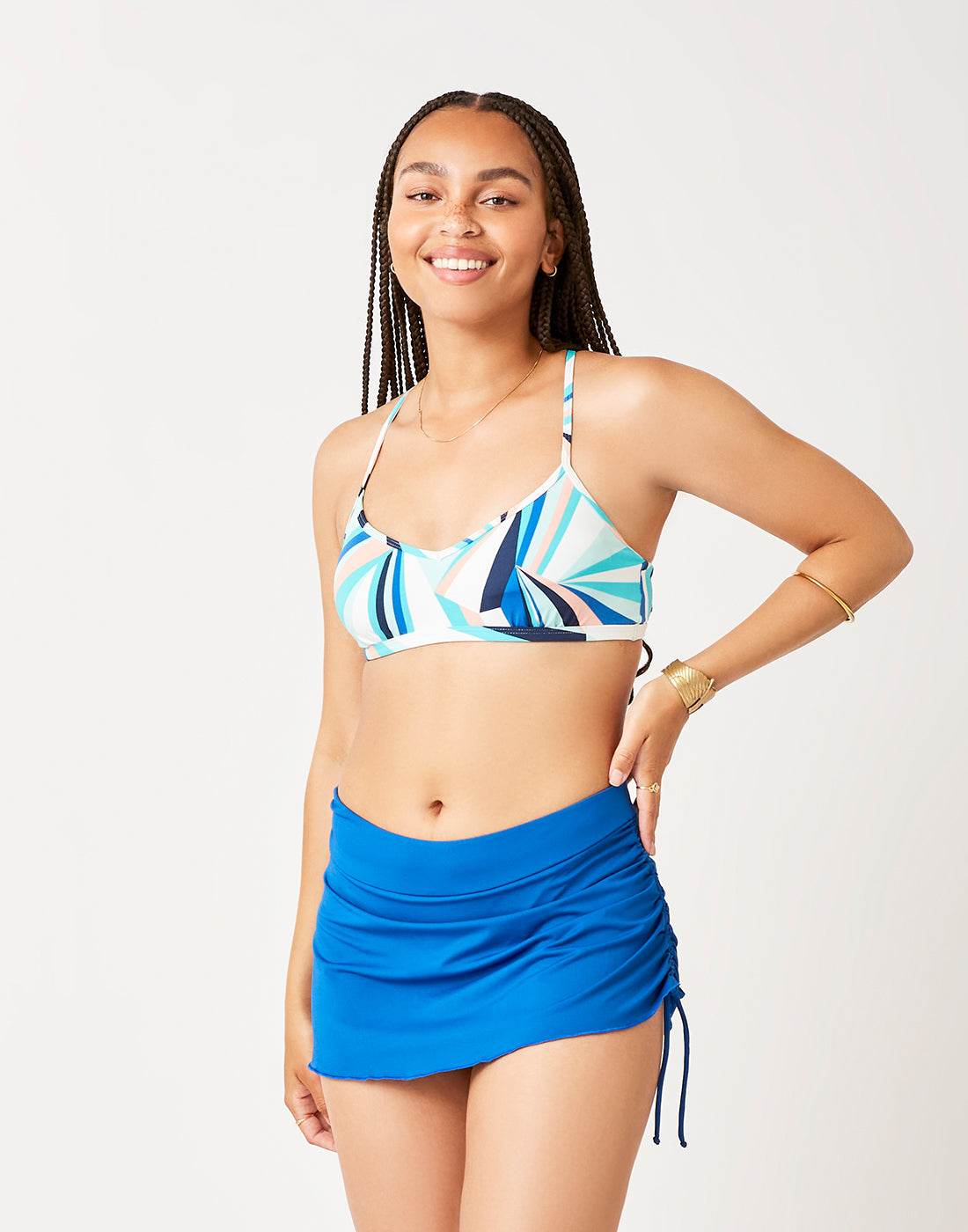
Swimsuits for diving bring together a secure fit, comfortable stretch, and a smooth profile that works in the water and beneath a wetsuit. The goal is simple: swimwear that stays comfortably in place while attention goes to the reef, the next breath, or a buddy’s hand signal—not a strap that needs another adjustment. For recreational scuba diving, snorkeling, and underwater exploring, one-piece swimsuits and well-fitting two-piece styles can both provide a practical foundation. A one-piece offers continuous coverage through the torso, while a two-piece allows separate sizing for the top and bottom, which can make a meaningful difference in comfort. Neither shape is automatically better; the right choice depends on body proportions, preferred coverage, and whether the suit will be worn alone or layered under dive gear. Broad, smooth straps, secure closures, and supportive construction are useful details for active days in the water. A higher neckline may feel more contained when leaning forward to put on fins, while a racerback or cross-back shape can help keep straps from slipping off the shoulders. Bottoms should feel secure around the waist and leg openings without pinching, rolling, or needing a tug after every ladder climb. Coverage is a personal choice, and more fabric only helps when the cut follows the body comfortably. A suit that feels good standing still should also feel good when reaching overhead, bending at the hips, or taking a long swimming stroke. Those everyday motions reveal more about fit than a quick glance in the mirror. For women who split their water time between swimming laps, snorkeling over a sandy bottom, and joining recreational dives, versatile swimwear makes the transition feel easy. A dependable diving swimsuit earns its place through thoughtful construction and freedom of movement, with color and pattern adding personality rather than doing all the work.
Fabric and construction make a noticeable difference once a swimsuit meets a wetsuit, a weight belt, or repeated hours in the water. Nylon blended with elastane often has a soft, flexible feel, while polyester blends can offer good shape retention; the performance of either depends on the knit, fiber proportions, and fabric finish. Elastane, also called spandex, supplies stretch so the suit can move with the body and recover afterward. Chlorine resistance varies by fabric, so a suit intended for frequent pool practice deserves a closer look at its stated care and performance details rather than an assumption based on fiber names alone. Recycled nylon or polyester can be part of a swim fabric blend, but recycled content does not, by itself, establish durability or a particular level of protection. Under a close-fitting wetsuit, smooth seams and low-profile edges help reduce bulk. Thick knots, decorative rings, bulky clasps, and substantial padding can create pressure points, particularly where other equipment rests against the body. A streamlined suit is often the quieter companion: fewer details to press, catch, or bunch while pulling on neoprene. Removable pads offer flexibility, though their usefulness depends on whether they stay flat and comfortable during movement. Torso length matters in a one-piece, since a suit that is too short can pull at the shoulders and leg openings, while extra length may fold beneath another layer. Two-piece tops need a stable band as well as a comfortable cup fit; tightening the straps cannot make up for a band that shifts. Swimwear provides a base layer, not a substitute for the protective equipment required by a particular dive. Rash guards and dive skins offer different coverage options, and any ultraviolet protection should be supported by a stated protection rating. Ordinary swim fabric should not be assumed to protect against stings or contact with marine life. For complementary water-ready layers,
Diving Apparel offers a related place to explore beyond the swimsuit itself.
Long-lasting diving swimwear benefits from care that is gentle, consistent, and realistic enough to become part of the post-dive routine. A fresh-water rinse after use helps remove salt, chlorine, and fine sand before they linger in the fabric. The care label should set the washing method, with mild detergent and gentle handling generally kinder to stretch fibers than harsh cleaning or aggressive wringing. Pressing out excess water instead of twisting the suit helps preserve its shape, and drying it away from direct heat avoids unnecessary stress on elastic components. A damp swimsuit left bundled inside a dive bag has little chance to dry properly; giving it room to air out is a small habit with a useful payoff. Sunscreen, body oils, and rough surfaces can also affect swimwear over time. Allowing sunscreen to settle before dressing can reduce transfer, without replacing the need to reapply it as directed. Sitting on a towel rather than a textured boat deck helps limit snagging and abrasion, especially on softer knits. Between outings, signs such as stretched straps, thinning fabric, loose stitching, or elastic that no longer springs back can signal that a once-reliable fit has changed. Durability is not just about keeping a favorite print looking bright; it is also about keeping the suit supportive and predictable when moving through the water. For regular divers, having another dry suit to change into can make repeated outings more comfortable and give each suit time to dry fully. For someone beginning scuba lessons or spending more time snorkeling, a swimsuit chosen around familiar fit preferences can be a thoughtful gift, especially when torso length, top support, and preferred coverage are already known. The most useful choice is rarely the one with the most extras. It is the suit that slips comfortably beneath gear, stays settled through a swim, and feels like an easy part of the day—from pulling on fins at the water’s edge to rinsing off after the last dive.