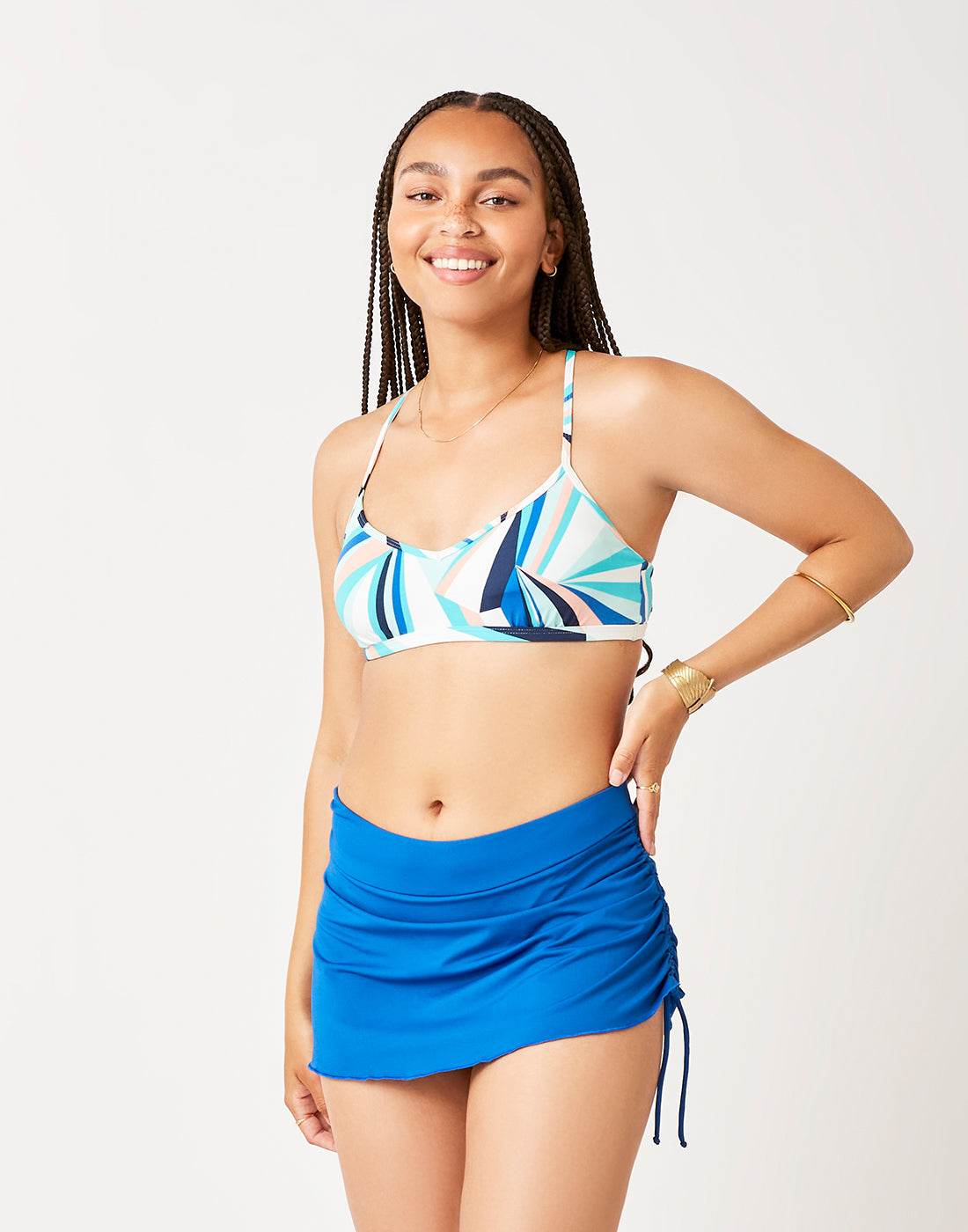
Swimwear with pockets brings a little everyday practicality to time in the water, whether that means a place for a small essential or an interior pocket designed for a particular fit need. The phrase covers two distinct categories: swimsuits and swim bottoms with utility pockets for storage, and pocketed swimwear with internal compartments intended to accommodate breast forms. Those purposes are not interchangeable, so the pocket description matters as much as the silhouette. Utility pockets may sit along a side seam, lie flat against the hip, or close with a zipper or flap. They can be useful for carrying a small locker key while walking between the changing room and the pool, though a closure alone does not make a pocket waterproof or guarantee that its contents will stay secure during swimming. Phones, electronic keys, and anything that cannot get wet belong in suitable waterproof storage away from the water. Post-mastectomy swimwear, by contrast, may have pockets inside one or both sides of the bust to hold compatible swim breast forms. An ordinary removable-cup lining is not necessarily designed for that purpose; purpose-built construction and form compatibility should be confirmed in the style details. Depending on the design, supportive features can include adjustable straps, a wider underbust band, and additional coverage around the neckline or armholes. Neither type of pocket needs to define the entire look. Clean lines, thoughtful coverage, and a comfortable shape can keep the focus on enjoying a swim, a paddle, or an unhurried afternoon beside the water. For women who like a two-piece silhouette with practical details,
bikinis with pockets bring that same idea to separates. The appeal is straightforward: swimwear that makes room for the way someone actually spends a day, rather than asking every outing to revolve around a beach bag.
Fabric and construction shape how pocketed swimwear feels once it gets wet. Swim fabrics commonly blend nylon or polyester with elastane for stretch and recovery, allowing the material to move with the body and return toward its original shape. The blend alone does not tell the whole story, however. Fabric weight, lining, seam placement, and the construction of the pocket all affect comfort. A soft lining can reduce the feeling of seams against the skin, while a smooth pocket opening is less likely to become distracting during repeated strokes or a long walk along the shoreline. Utility pockets designed to release water can help avoid the dragging sensation of a water-filled pouch, but mesh construction is not appropriate for every purpose, particularly an interior breast-form pocket. A storage pocket should sit comfortably when empty and remain reasonably flat with its intended small contents inside. Extra weight can pull on a waistband, alter the fit, or bounce during activity; a pocket is a useful detail, not a substitute for a tote. Fit deserves the same attention. A waistband should feel secure without digging in, leg openings should allow an easy stride, and a swim top should stay comfortable when reaching overhead or leaning forward. Adjustable ties and straps can offer flexibility, but they cannot fully compensate for an unsuitable size or cut. Different coverage preferences are equally valid, from a higher-rise bottom to a longer swim-short silhouette. For breast-form use, a compatible pocket should accommodate the intended form without bunching or distorting the outer fabric, with support coming from the swimsuit’s overall construction. Any requirements related to healing incisions or sensitive skin are best discussed with a care team before returning to the water. The right fit leaves more attention for the activity itself: climbing a pool ladder, settling onto a paddleboard, or stretching out on a towel without repeatedly readjusting.
The best use for swimwear with pockets depends on both the activity and the pocket design. A flat side pocket may be convenient during a beach walk, while a secure closure can be a useful feature for a small water-safe essential. For lap swimming, a streamlined shape and minimal bulk tend to matter more than carrying capacity. Paddleboarding and kayaking bring their own considerations, including how a waistband feels while seated and whether pocket contents press against the body when kneeling. Any essential that would be difficult to replace is better left in secure storage, especially around surf or open water. Comfort also extends beyond the swim itself: separates that pair easily with a cover-up can make the transition from poolside to a casual lunch feel uncomplicated. Durability comes from a combination of suitable materials, sound construction, and consistent care rather than any single fabric claim. Chlorine, salt, body oils, and sunscreen residue can take a toll over time, so a fresh-water rinse after wear is a useful habit. Emptying utility pockets before washing helps remove trapped sand and prevents forgotten objects from rubbing against the fabric. Follow the care label for washing and drying, avoid aggressive wringing, and let the swimsuit dry fully before putting it away. Breast forms may require separate care, so their instructions matter too. Rough pool edges and abrasive surfaces can snag even well-made swim fabrics; sitting on a towel offers a simple buffer. Where recycled fibers are specified, they provide another material consideration, but reliable fit and repeat wear remain important parts of choosing thoughtfully. As a gift, pocketed swimwear is most personal when the recipient’s size, preferred coverage, and intended activities are already familiar. Specialized breast-form requirements are better chosen with the wearer’s input than guessed. Whether the priority is an easy place for a locker key or thoughtfully designed internal support, a well-considered pocket earns its place by being useful, comfortable, and quietly out of the way.