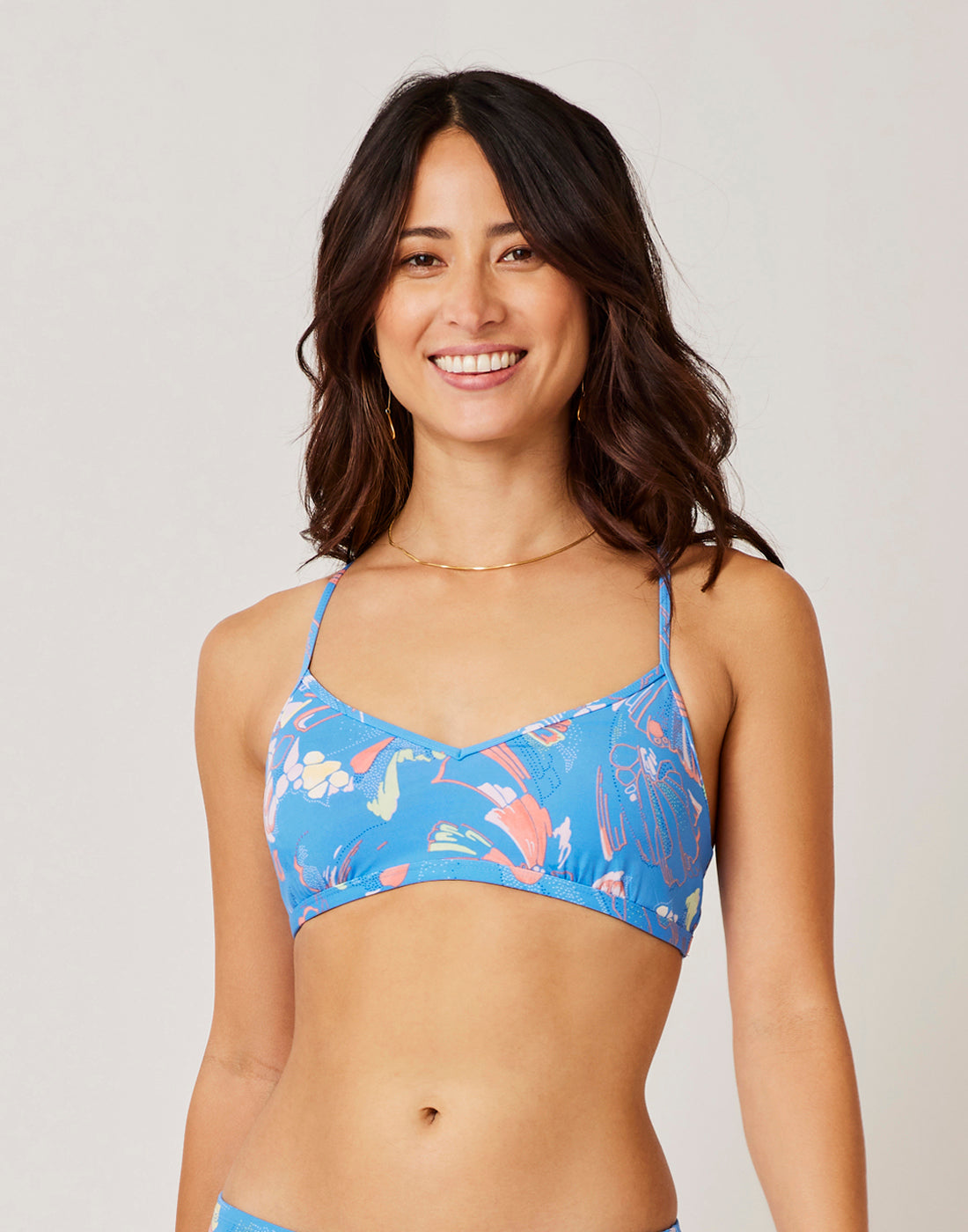
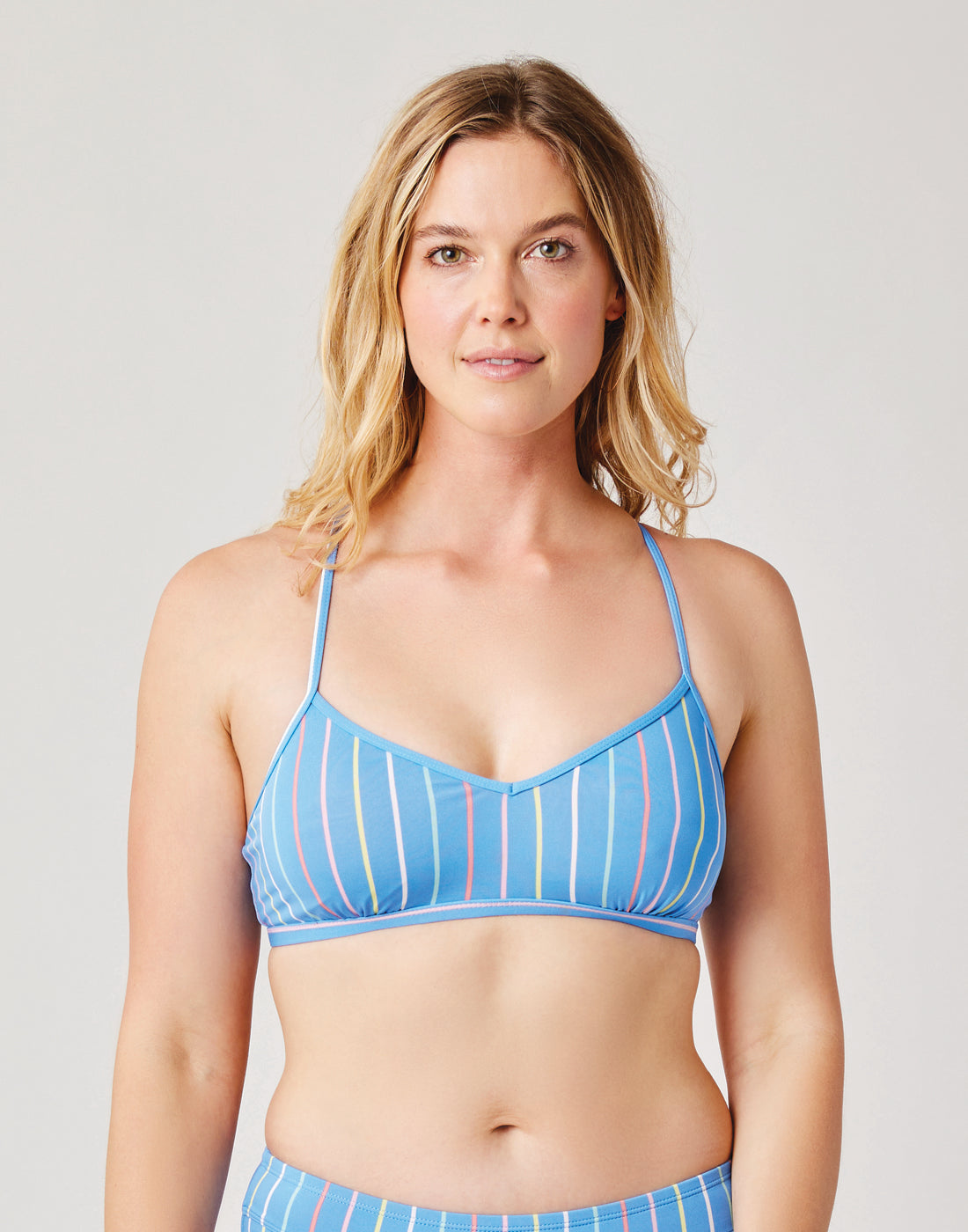
Top swimwear brings together a comfortable fit, dependable support, and a shape that feels like you. The best swimsuit for a quiet float may look different from the one you reach for before a surf session, but both should let you settle into the experience rather than keep adjusting your suit. Women’s swimwear spans one-pieces, bikinis, and tankinis, with different necklines, strap configurations, and coverage levels to suit different bodies and plans. A one-piece creates a continuous silhouette and can feel wonderfully streamlined in the water, while a two-piece allows separate sizing through the bust and hips. A tankini offers another kind of flexibility, pairing the coverage of a longer top with the convenience of separates. None of these shapes belongs to a particular body type; personal comfort and intended use matter more than old-fashioned rules about what anyone should wear. For swimming, paddling, or joining an impromptu beach volleyball game, secure straps and a stable underband can make a meaningful difference. For an afternoon spent reading beside the pool, softer structure and minimal hardware might be the details that earn a suit its repeat appearances. Higher necklines offer more coverage across the chest, while scoop, square, and V-shaped necklines each frame the upper body differently. Leg openings deserve equal attention: a higher cut leaves more of the hip exposed, while a lower cut provides greater coverage without necessarily changing how supportive the suit feels. Color and pattern add personality, from clean solids to prints that feel perfectly at home beside a striped towel and a well-loved beach bag. A coordinated set has an easy sense of polish, while mixed separates leave room for a more individual combination. The strongest choice is not a universal winner or a silhouette with a long list of promises. It is swimwear that matches your movement, coverage preferences, and sense of style, whether the destination is a neighborhood pool, a lakeside dock, or a stretch of coastline.
Fit is where attractive swimwear becomes something you actually enjoy wearing. A swimsuit should sit close to the body without digging into the shoulders, pinching at the leg openings, or making a full breath feel restricted. Gentle compression can create a held-in feeling, but firmer fabric alone does not guarantee better support. Through the bust, support may come from a combination of an underband, well-positioned seams, lining, cups, and strap construction. Wider straps can help distribute pressure, while adjustable straps allow small changes in length as you fine-tune the fit. Removable cups offer flexibility in shaping and coverage, though they are not a substitute for a properly fitting top. For fuller busts, cup sizing and a secure band can be especially useful; for anyone who prefers less structure, a softly lined shape may feel more natural. Torso length is equally important in a one-piece. If the shoulders pull downward or the neckline lifts away from the chest, the suit’s proportions may not align with your own, even when its overall size seems correct. Bikini bottoms should stay comfortably in position when sitting, bending, and stepping up onto a pool ladder. A higher rise adds coverage through the waist, while a lower rise sits farther down the hips; neither needs to be treated as a correction for your shape. Trying a gentle overhead reach, a seated position, and a few easy twists can reveal more about comfort than standing still in front of a mirror. Size charts and body measurements provide a useful starting point, especially when choosing separates in different sizes. Details such as adjustable ties can offer flexibility, while fixed closures reduce the number of knots to manage. For a similarly relaxed approach to getting dressed for the water,
Easy Swimwear keeps the focus on comfort and simplicity. The goal is a suit that feels secure enough to forget about once the conversation gets good or the next wave arrives.
Fabric and construction help determine how swimwear feels on the first outing and how well it holds its shape afterward. Nylon and polyester are commonly blended with elastane to provide stretch and recovery, allowing fabric to move with the body and return toward its original shape. Nylon blends often have a smooth, supple feel, while polyester is frequently used in swim fabrics designed for repeated pool exposure. Performance still depends on the full fabric blend and construction, so a fiber name alone cannot tell the whole story. Recycled fibers offer an alternative to virgin inputs when specified in the fabric details, but they do not automatically make a swimsuit longer lasting or suitable for every activity. Soft lining, tidy seams, and securely attached straps all contribute to comfort and durability. Textured fabrics can add dimension, while smooth finishes create a clean look and may sit more easily beneath a cover-up. Coverage and opacity also depend on the fabric, color, lining, and how much the material stretches against the body. For frequent lap swimming, documented chlorine resistance is worth considering; for surfing or paddleboarding, stable coverage and closures that stay comfortable while lying on a board may take priority. Swimwear can also make a thoughtful gift for someone planning a getaway or spending more time at the pool, particularly when their preferred size, support, and silhouette are already familiar. Once a suit becomes a favorite, gentle care helps keep it in the rotation. Follow its care label, rinse after exposure to chlorine or salt water, and avoid leaving it damp in a tightly packed bag. When hand washing is appropriate, use cool water and a mild detergent, then press out excess moisture rather than wringing. Drying away from direct heat helps protect elastic fibers, and a towel creates a useful barrier against rough pool edges that can snag the surface. Those small habits support the qualities that matter most: comfortable stretch, reliable coverage, and a fit that is ready for another dip.