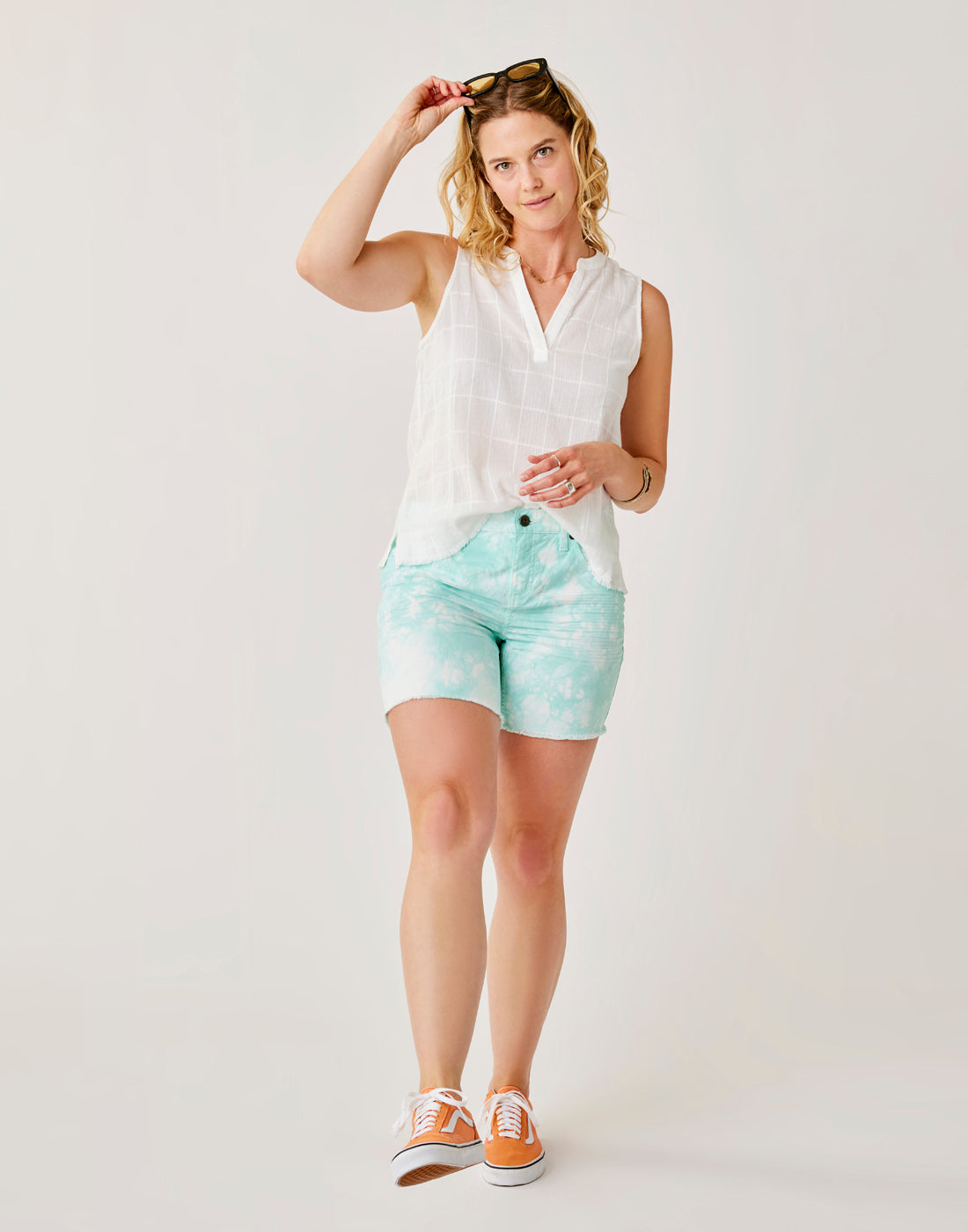
Twill clothing for spring break brings a little structure to a suitcase full of easygoing plans. Think comfortable shorts for a waterfront lunch, relaxed pants for the flight, and a light layer that feels just as at home on a shaded patio as it does along a breezy boardwalk. Twill is a type of fabric weave, recognizable by its subtle diagonal lines, rather than a fiber itself. That distinction matters: cotton twill, stretch twill, and twill made with blended fibers can feel quite different against the skin. Cotton often offers a soft, breathable feel, while a small amount of stretch can give fabric extra flexibility for sitting, walking, and settling into a long travel day. Fabric weight and construction help determine comfort, too. A lighter twill can feel less substantial in a warm destination, while a denser version may offer more structure for travel days and evenings outdoors. The diagonal weave can contribute to durability, but the fiber content, stitching, and care all play a part in how a garment wears over time. This balance of ease and substance makes twill a natural fit for vacations that involve more than a single beach chair. It can look pulled together without requiring a carefully choreographed outfit, moving comfortably between a neighborhood café, an afternoon browsing local shops, and dinner somewhere with a view. Twill also has a different role from swimwear or technical activewear: it is usually better suited to the journey, the stroll, and the meal afterward than to swimming or a strenuous outing. Cotton-rich fabrics can hold moisture and take time to dry, so a separate swim cover-up or performance layer may make more sense for wet activities. For women who prefer their vacation clothes to have a life beyond the trip, twill offers an appealing middle ground between laid-back comfort and everyday polish. Its texture adds interest even in a simple outfit, leaving room for sun-washed color, a favorite tank, and sandals that have already earned their place in the bag.
Fit is what turns that versatility into something comfortable enough to reach for repeatedly. A waistband should feel good while seated as well as standing, especially when spring break begins with a road trip or several hours in an airplane seat. A touch of stretch can help, although stretch alone does not guarantee the right fit; the rise, cut through the hips, and room through the thighs matter just as much. Relaxed shapes leave space to move, while a more tailored silhouette can bring definition without needing to feel restrictive. Wide-leg pants offer an easy drape, straight-leg cuts create a clean line, and shorts keep an outfit simple for daytime exploring. For an outfit built around
twill shorts for spring break, a soft knit top and comfortable sandals can carry the day without much fuss. Inseam length changes both the look and the experience of wearing shorts: extra length may feel comfortable for long walks or sitting on a café chair, while a shorter cut can feel light and easy for a casual afternoon. Neither choice needs a rulebook; personal comfort sets the direction. Pocket placement and depth deserve attention as well, since a pocket that looks good standing still may feel different with a phone inside. With pants, the hem should work with the shoes coming along for the trip, whether that means sneakers for airport terminals or flat sandals for dinner. The same practical thinking applies to layers. A twill jacket or overshirt needs enough room across the shoulders to sit comfortably over a tank or tee without pulling when reaching for a bag. Color can make a small travel wardrobe feel surprisingly flexible. Sandy neutrals, soft whites, faded blues, and earthy shades combine easily with striped tops and brighter swimwear, while a richer color can become the focal point of an otherwise simple outfit. Repeating a few complementary shades keeps packing manageable and allows the same twill foundation to feel different from one outing to the next.
The most useful spring break clothing also makes sense once the suitcase is unpacked at home. Twill can become part of an everyday rotation for casual lunches, errands, and relaxed days with no travel involved, which gives fabric quality and care a place in the decision. A care label is the best starting point because cotton, stretch blends, garment dyes, and fabric finishes may call for different handling. Many cotton-rich twills can be machine washed, but water temperature, drying method, and ironing instructions should come from the garment itself. Excessive heat can contribute to shrinkage in some cotton fabrics and may affect stretch fibers, so gentle washing and lower-heat drying are sensible choices when the label allows them. Turning clothing inside out can help reduce surface abrasion, and treating a small spill promptly is often easier than dealing with a stain after the trip. Twill is not automatically wrinkle-free, though its textured surface may make small creases less noticeable than they would be on some smooth fabrics. Folding along natural seams and avoiding an overstuffed bag can help preserve its shape; hanging pieces after arrival gives travel folds a chance to relax. For anyone considering the material’s environmental footprint, verified fiber information is more useful than a broad sustainability claim. Organic cotton describes how the cotton was grown, while a blend’s full composition helps explain its feel, stretch, and care needs. Choosing a fit that feels good and a style that will be worn repeatedly is another practical part of a thoughtful wardrobe. Twill clothing can also make a useful gift for a frequent traveler or someone planning a beach getaway, particularly when their preferred size, rise, and silhouette are already familiar. Comfort is personal, and those details matter more than guessing at a vacation look. Whether the itinerary includes a coastal town, a city stopover, or a few wonderfully unstructured afternoons, the appeal stays simple: clothes with enough character to feel intentional and enough ease to let the day unfold.