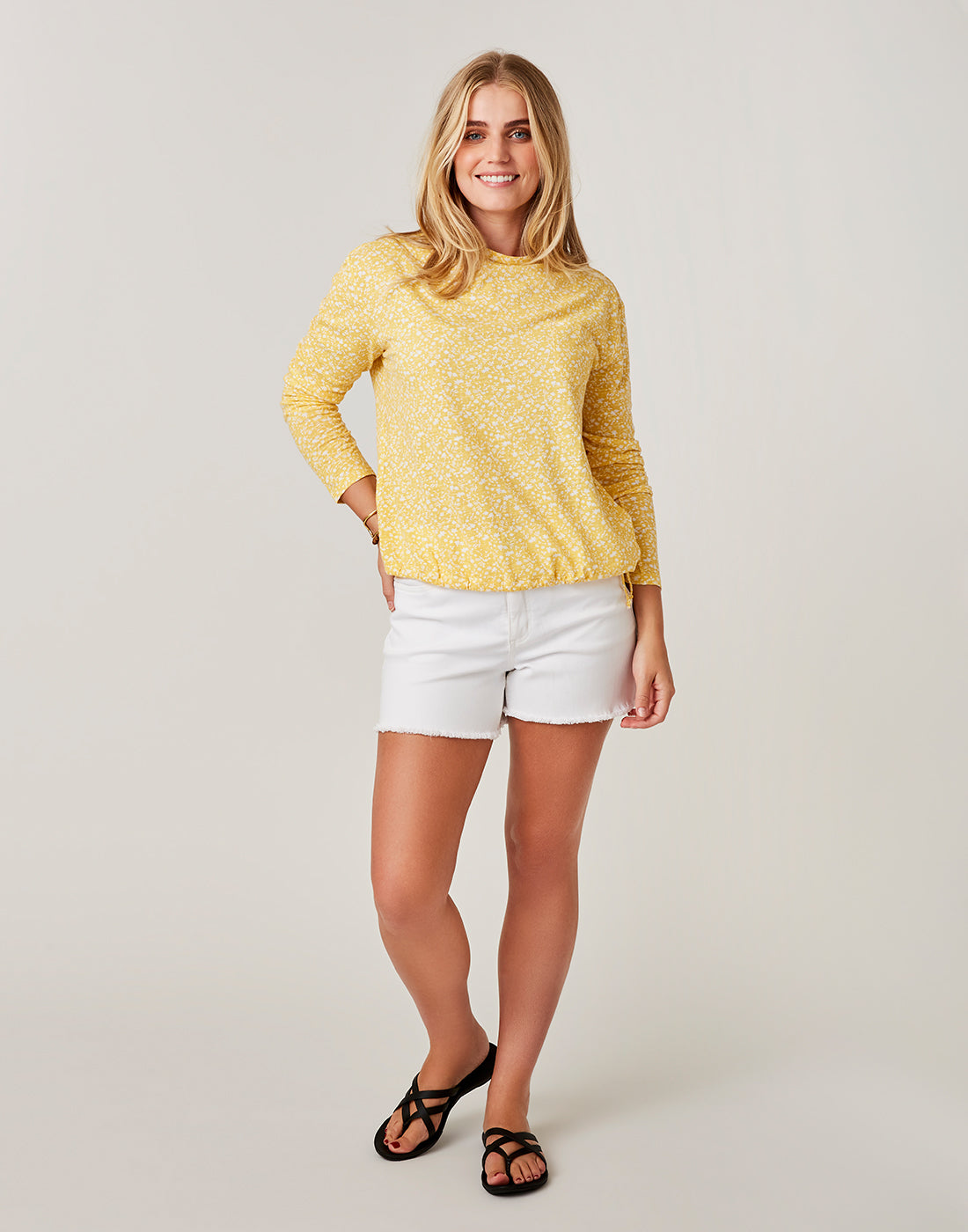
Unique denim shorts bring a little individuality to an everyday staple, whether that comes through a beautifully faded wash, an unexpected pocket shape, or a hem that looks perfectly at home with bare feet and a favorite tee. Denim has its roots in hardworking clothing, and that practical spirit still gives shorts their appeal: sturdy fabric, useful pockets, and a shape that can handle plenty of repeat wear. The personality lives in the details. Contrast stitching can trace the curve of a pocket, a released hem can reveal a deeper band of color, and subtle variations in the wash can give the fabric depth without needing much else. Raw edges feel relaxed, while a clean, finished hem creates a more polished line. Cuffs add definition and can change the balance of an outfit, especially with a tucked-in tank or a loose button-down. Distressing brings texture, though an unbroken denim surface can be just as distinctive when the cut and proportions feel right. For women who enjoy getting dressed without turning it into a project, these differences make familiar outfits feel personal. A simple knit top lets an unusual seam or pocket detail take the lead; a patterned blouse plays nicely with denim that has a quieter finish. Sneakers, flat sandals, and ankle boots each give the same silhouette a different attitude. Color has a role, too, from pale, gently washed shades to deep indigo with crisp stitching. For a closer look at that classic color family,
Blue Denim Shorts offer a natural place to explore. What makes a pair feel unique does not have to be dramatic. Sometimes it is the way the waistband sits, the slightly curved leg opening, or the lived-in character that gets better with a few miles on it. Those small distinctions leave plenty of room for the person wearing them to set the mood.
Fabric and fit do much of the behind-the-scenes work, giving distinctive denim shorts their everyday staying power. Cotton denim has a familiar texture and breathable feel, but its weight and construction can make two pairs behave quite differently. A lighter fabric tends to drape more easily, while a heavier denim often holds a defined shape and feels more substantial in the hand. Denim made entirely from cotton generally has less give at first and may soften and relax through wear; a blend with a small amount of elastane can offer flexibility when sitting, bending, or climbing a flight of stairs. Neither approach is automatically better. The useful distinction is whether a pair feels comfortably structured or pleasantly flexible for the way it will be worn. Fiber details also help clarify sustainability claims: organic cotton describes how the cotton was grown, while recycled fiber indicates the use of recovered material. Those details are worth checking in the fabric information rather than assuming that a wash or finish tells the whole story. Rise, inseam, and leg opening work together just as closely as the fibers themselves. A higher rise can create a defined waist with a tucked shirt, while a mid-rise shape may feel more familiar with tops worn loose. A longer inseam provides additional coverage for seated moments, and a shorter cut leaves more of the leg uncovered. Room through the thigh matters as much as length; a relaxed opening can make walking and sitting more comfortable without requiring an oversized waist. Bodies do not follow one set of proportions, so waist and hip measurements are more useful than loyalty to a particular size number. A comfortable waistband should stay in place without digging in, and front pockets should lie reasonably flat rather than pulling open. Sitting down, taking a few steps, and reaching upward give a much clearer sense of fit than standing still in front of a mirror. The goal is denim that makes room for a full day, not denim that needs constant negotiating.
The best everyday denim shorts earn their place through versatility, with enough character for a favorite outfit and enough practicality for the less photogenic parts of life. They suit coffee runs, casual lunches, road trips, and the walk between a rental house and the shoreline. A soft tee and slip-on shoes keep things easy for errands, while a woven shirt and simple jewelry bring a more considered feel to a relaxed dinner. For travel, shorts that work with several tops can simplify packing, and comfortable pockets are useful for small essentials, though heavy objects can stretch pocket openings over time. Denim is well suited to casual wear, but it is not a substitute for swimwear or technical activewear; its absorbent fabric can feel heavy when wet and may take longer to dry. That distinction helps keep a favorite pair doing what it does best. Durability comes from more than fabric thickness, with secure stitching, reinforced stress points, and neatly finished seams all contributing to how well shorts hold up. Areas around the pockets, zipper, and inseam see repeated movement, making their construction especially relevant to frequent wear. Care helps preserve both that structure and the details that make a pair distinctive. The care label should lead the way, since stretch blends, dyes, and decorative finishes can have different needs. When machine washing is permitted, turning shorts inside out and using cold water can help reduce surface abrasion and color loss. Washing with similar colors is particularly useful for darker denim, which may release dye. Avoiding unnecessary washes and addressing small marks promptly can limit wear from repeated laundering. High dryer heat may affect fit and stretch fibers, so follow the label’s drying directions and consider air-drying when appropriate. Raw hems may continue to fray, while intentional distressing can become more pronounced with use. For gifting, a familiar rise, preferred inseam, and known measurements provide a thoughtful starting point. Distinctive denim feels most personal when its character comes with genuine comfort—the kind that lets an outfit become part of the day rather than the main event.