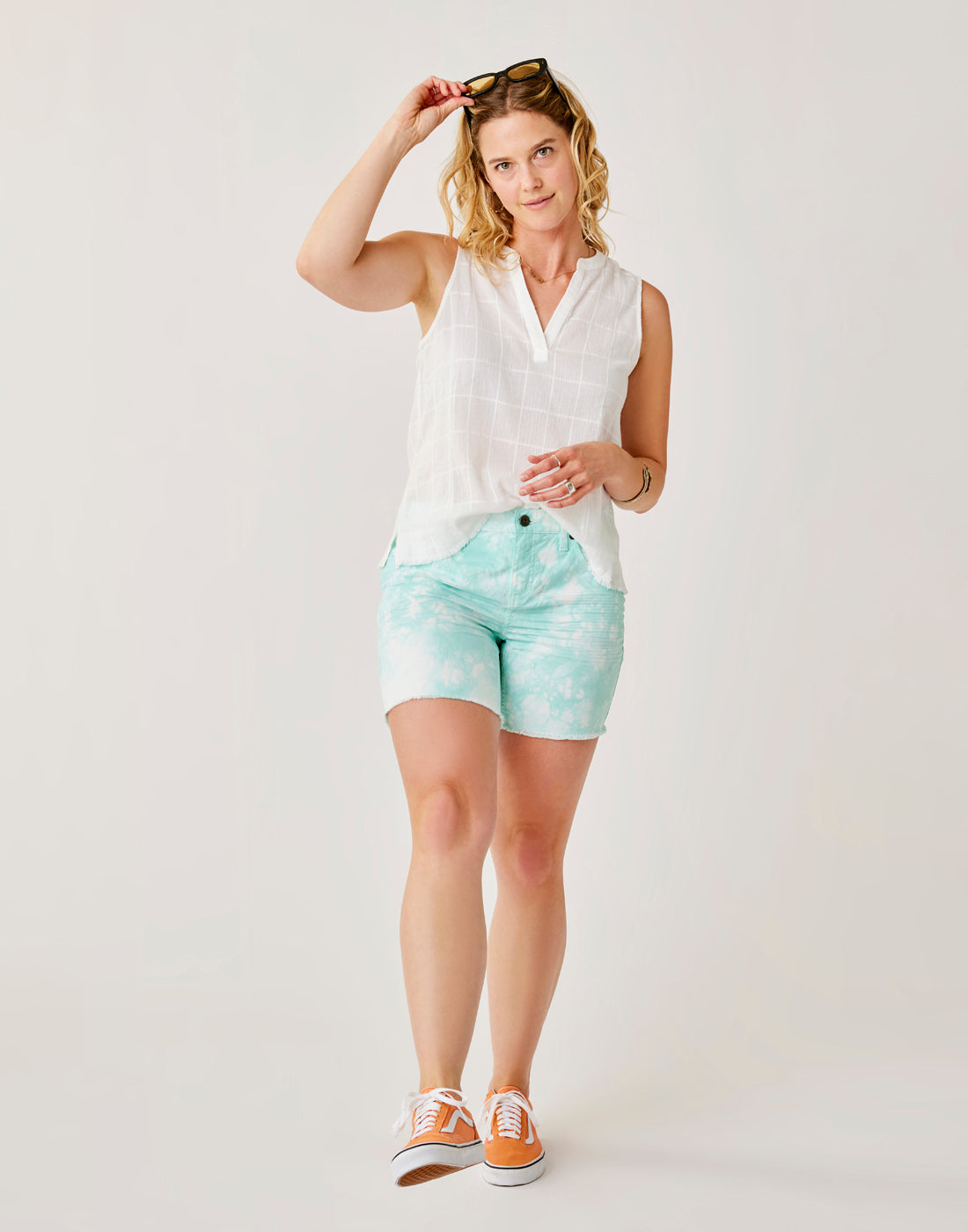
Vintage travel shorts bring a retro, lived-in look to clothing made for getting out and exploring. The appeal is a balance of character and practicality: relaxed shapes, softly washed colors, useful pockets, and fabrics that feel comfortable through a day with more than one stop. Think of the easy silhouettes seen in old vacation photographs, with enough versatility for a train ride, a neighborhood walk, and lunch at a little café discovered along the way. The term describes an aesthetic and an intended use rather than one fixed design. Some styles lean toward classic chino shorts, while others borrow from utility clothing with roomy pockets, sturdy stitching, or an adjustable waist. Vintage-inspired shorts capture those familiar details without necessarily being older garments; authentic vintage pieces have their own history, so the distinction matters when evaluating fabric condition and construction. For everyday travel, the most useful version is one that feels like a natural extension of your wardrobe rather than equipment reserved for a single trip. Muted shades and simple silhouettes can pair easily with a striped tee, a relaxed button-down, or a favorite tank, while a cuffed hem or softly textured fabric adds personality without making an outfit complicated. Practical storage deserves a closer look, too. A pocket that holds a room key securely is helpful, but a bulky phone can pull on lightweight fabric or make sitting uncomfortable. Pocket placement, depth, and closures matter more than the number of pockets alone. Women who enjoy road trips, sightseeing, beach-town wandering, or simply taking the scenic route may appreciate shorts that move comfortably between those settings. The vintage influence supplies the charm; a comfortable waistband, a useful cut, and thoughtful construction do the work. The result is an easygoing option for days when the itinerary has room for a detour and the outfit needs to keep up without demanding much attention.
Fabric and fit shape that experience more than any decorative detail. Cotton twill often brings a soft feel with enough structure to give shorts a clean outline, while cotton canvas can offer a more substantial texture suited to frequent wear. Fabric weight varies within both categories, so neither name alone tells the whole story. A lighter weave may pack compactly and feel less bulky when seated; a denser fabric may hold its shape better but take longer to dry after washing. Linen blends can add texture and an easy drape, with natural creasing as part of their character. Fabrics containing lyocell may feel smooth and fluid, while a small amount of stretch can help a woven style accommodate bending and sitting. Performance-oriented blends may offer quicker drying, but that benefit should come from the fabric description rather than assumptions about the travel label. Look at the fiber content alongside the garment’s construction and intended use. For a long drive or flight, a waistband that stays comfortable while seated is especially valuable. Elastic, drawstrings, and shaped waistbands offer different ways to achieve that comfort, and none replaces checking the fit through the hips and seat. Shorts should allow a natural stride without pulling across the front, riding up excessively, or restricting a step onto a bus. A higher rise can feel secure and pair neatly with a tucked-in shirt, while a lower rise changes where the waistband rests. Inseam length also affects both coverage and movement: a shorter cut leaves more of the leg free, while a longer cut offers additional coverage when sitting or cycling casually. Comparing measurements with a well-loved pair is often more useful than relying on a familiar size alone. Leave enough ease for pockets to lie smoothly, and check how the hem sits when seated as well as standing. A relaxed fit should feel intentional, not like fabric that needs constant adjusting.
Good travel shorts earn their place in a bag by working with several outfits and holding up to repeat wear. Flat seams, secure pocket attachments, an evenly finished hem, and a dependable closure are useful details to examine, especially if the shorts will accompany plenty of walking and frequent packing. A washed finish can create a pleasantly broken-in appearance, but softness is not proof of durability; the underlying fabric and stitching still matter. Care starts with the garment label, since fiber blends, dyes, and decorative details may need different handling. When machine washing is permitted, turning shorts inside out and washing with similar colors can help protect the surface finish. Empty pockets, close zippers, and address small stains before they become a permanent souvenir. Drying according to the label is particularly important for stretch fabrics, and excessive heat can affect both shape and fit. Give shorts time to dry fully before folding them into luggage, and avoid leaving damp clothing compressed in a travel bag. Cotton and linen-based fabrics may develop creases in transit; smoothing them before drying or using an appropriate iron setting can help when a tidier look is preferred. For packing, choose tops and shoes that already work together rather than building an entirely separate wardrobe around one pair of shorts. A simple tee and comfortable sneakers suit a day of walking, while a softly structured shirt and sandals can make the same silhouette feel more polished for a casual dinner. When an itinerary calls for a full-length alternative,
Vintage Travel Jeans offer a related way to carry that retro-inspired mood into another outfit. Shorts can also make a thoughtful gift for someone who loves exploring, provided the recipient’s preferred rise, inseam, and size are known. Comfort is personal, and favorite details often reveal themselves in the clothing someone reaches for repeatedly. Whether packed for a getaway or worn close to home, the strongest choice combines familiar style with freedom to move, reliable care, and a little well-earned character.