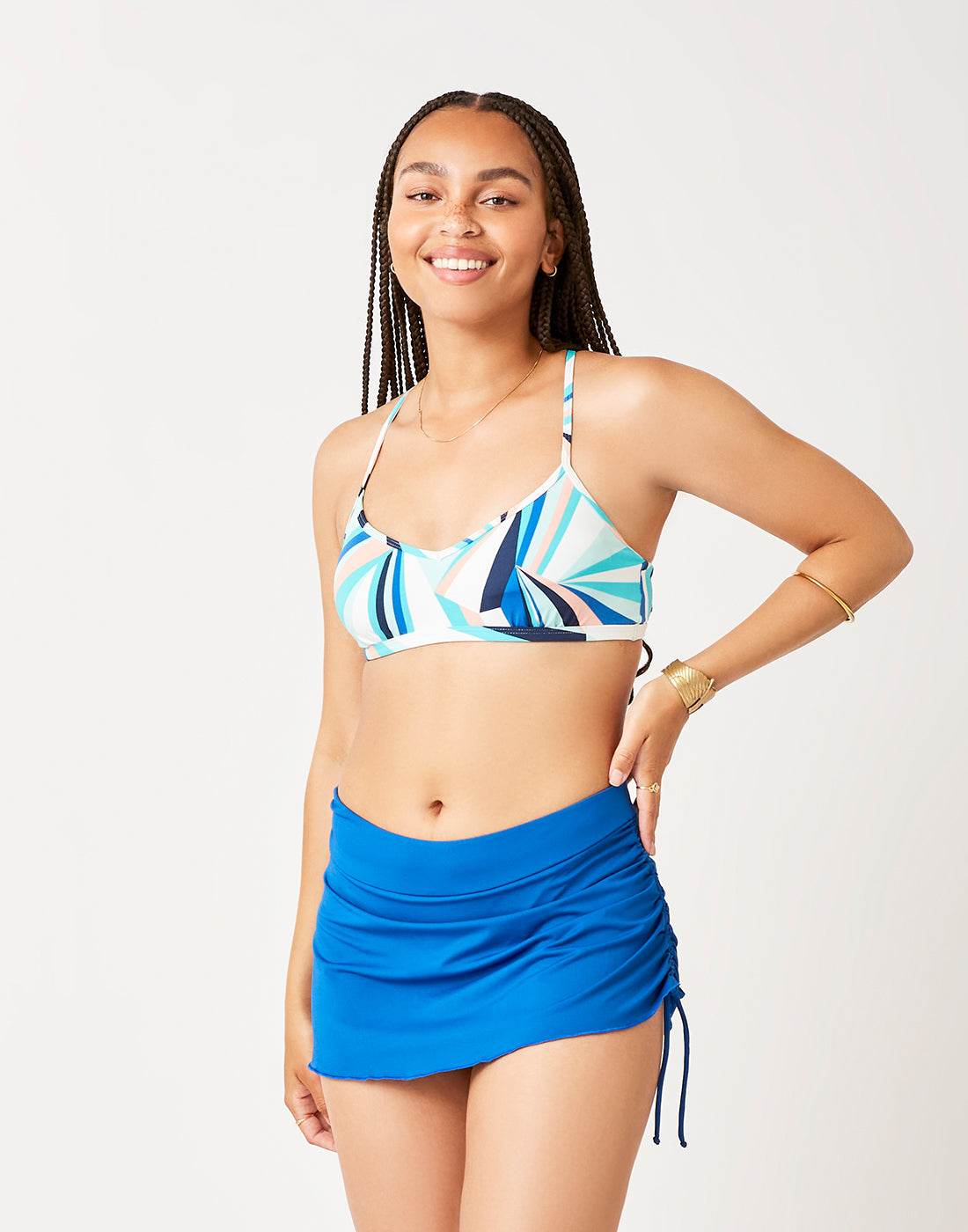
Women's Blue Swim Shorts
Women's blue swim shorts bring a fresh twist to your beach days, paddleboard adventures, or spontaneous lakeside escapes. Whether you’re drawn to deep navy hues or the playful pop of sky blue, these swim shorts are all about comfort, movement, and effortless style. Designed for women who live for sun-soaked afternoons and saltwater hair, they offer a versatile option that pairs just as well with rash guards as with your favorite oversized tee. Dive into a collection that celebrates individuality, confidence, and the joy of making a splash—whatever your summer holds.
Show More


Womens Blue Swim Shorts
Women’s blue swim shorts bring an easygoing feel to time in and around the water, with a little extra leg coverage and plenty of room for adventure. They suit the kind of day that includes a few laps, a paddle across the cove, and a walk along the beach without a complete outfit change between stops. Blue feels especially at home here: navy has a clean, understated character, brighter blues add a playful note, and softer shades pair easily with sandy neutrals or a favorite printed swim top. Color is part of the appeal, but the real attraction is a silhouette that lets the wearer decide what feels good. Some women prefer a close-fitting swim short that stays near the body in the water; others enjoy a relaxed shape with room through the hips and thighs. Neither approach needs to be tied to a particular body type. Comfort comes from the relationship between the cut, the fabric, and the activity, rather than a rule about who should wear what. A shorter inseam can feel wonderfully unrestricted for swimming, while a longer inseam offers more coverage when sitting on a paddleboard or stretching out on a beach blanket. The waistband matters just as much. A higher rise creates more coverage through the midsection, while a lower rise may feel more natural with certain tops or during seated activities. Paired with a bikini top, swim shorts make a simple two-piece combination; with a tankini or rash guard, they create a different balance of coverage without losing that ready-for-the-water spirit. Blue also makes mixing separates feel less like homework. A navy bottom can ground a lively print, while a tonal pairing creates a quieter look without requiring an exact color match. For everyday outfits beyond the water, women’s blue shorts offer another way to enjoy the same versatile color family. Swim shorts, however, deserve their own place in the bag when getting wet is part of the plan.
Fabric and construction help separate a swim-ready pair from shorts meant only for dry land. Materials designed for swimming are generally selected to handle water, move comfortably, and dry more readily than absorbent everyday fabrics such as cotton. Nylon or polyester blended with elastane can provide stretch and shape recovery, although the feel varies with the fabric’s weight, knit or weave, and fiber proportions. A smooth, close-fitting stretch fabric behaves differently from a lightweight woven fabric with a looser drape, so the best choice depends on how the shorts will be used. For swimming laps or moving through small waves, a streamlined fit can reduce the sensation of fabric floating away from the body. For paddling, walking, or moving between a lounge chair and the pool, a relaxed cut may feel more comfortable. Details deserve a closer look, too. A broad waistband can distribute pressure more evenly, and an adjustable drawcord can help fine-tune the fit when the design includes one. Flat, thoughtfully placed seams may reduce rubbing, especially along the inner thighs or beneath a flotation vest. Pockets can be handy on land, but their placement and drainage matter around water; a pocket is not automatically a secure place for keys, and it is never a reason to trust a phone to a swim. Lining and built-in briefs also vary by style. Some swim shorts are intended to function as a complete swim bottom, while others are designed to be worn over separate swimwear, making the garment description worth reading before choosing. Fit is easiest to assess with a little movement: sit down, take a long step, and bend at the hips. The waistband should feel secure without digging in, and the leg openings should allow movement without pulling across the seat. Checking measurements against the size chart is more useful than relying on a familiar size alone, especially when moving between fitted swim silhouettes and roomier board-short shapes.
Durability begins with choosing swim shorts that suit their intended use, then giving them a little attention after each outing. Stretch recovery, secure stitching, and a waistband that returns to shape all contribute to a pair that feels dependable over repeated wears. No swim fabric is immune to abrasion, though. Rough pool edges, textured docks, and rocky sitting spots can snag or scuff the surface, so a towel beneath the seat is a small habit with a practical payoff. After swimming, a rinse in fresh water helps remove salt, chlorine, and other residue before they linger in the fibers. Follow the garment’s care label for washing, use detergent as directed, and avoid harsh treatment that can weaken stretch fibers or affect color. Gently pressing out excess water is kinder than wringing, and drying away from direct heat helps protect the fabric. Leaving damp swimwear bundled in a beach bag can encourage odors, so unpacking it deserves a place alongside rinsing the goggles and shaking sand from the towel. If a fabric contains recycled fibers, the stated composition provides a clearer picture than broad environmental language; careful use and maintenance remain worthwhile whatever the material blend. For travelers, blue swim shorts can earn their packing space by working with several swim tops and a simple cover-up, while regular swimmers may place more emphasis on a secure fit and fabric suited to frequent pool use. Women who kayak, paddleboard, or spend time at the beach with family may appreciate coverage that feels comfortable through kneeling, climbing, and plenty of sandy sitting. They can also make a thoughtful gift for someone who already enjoys water activities, particularly when the recipient’s preferred rise, inseam, and size are known. Those details are more personal than color alone. Whether the plan involves a steady swim or an unhurried afternoon beside the water, the most useful pair is one that stays comfortable enough to let the experience take center stage.