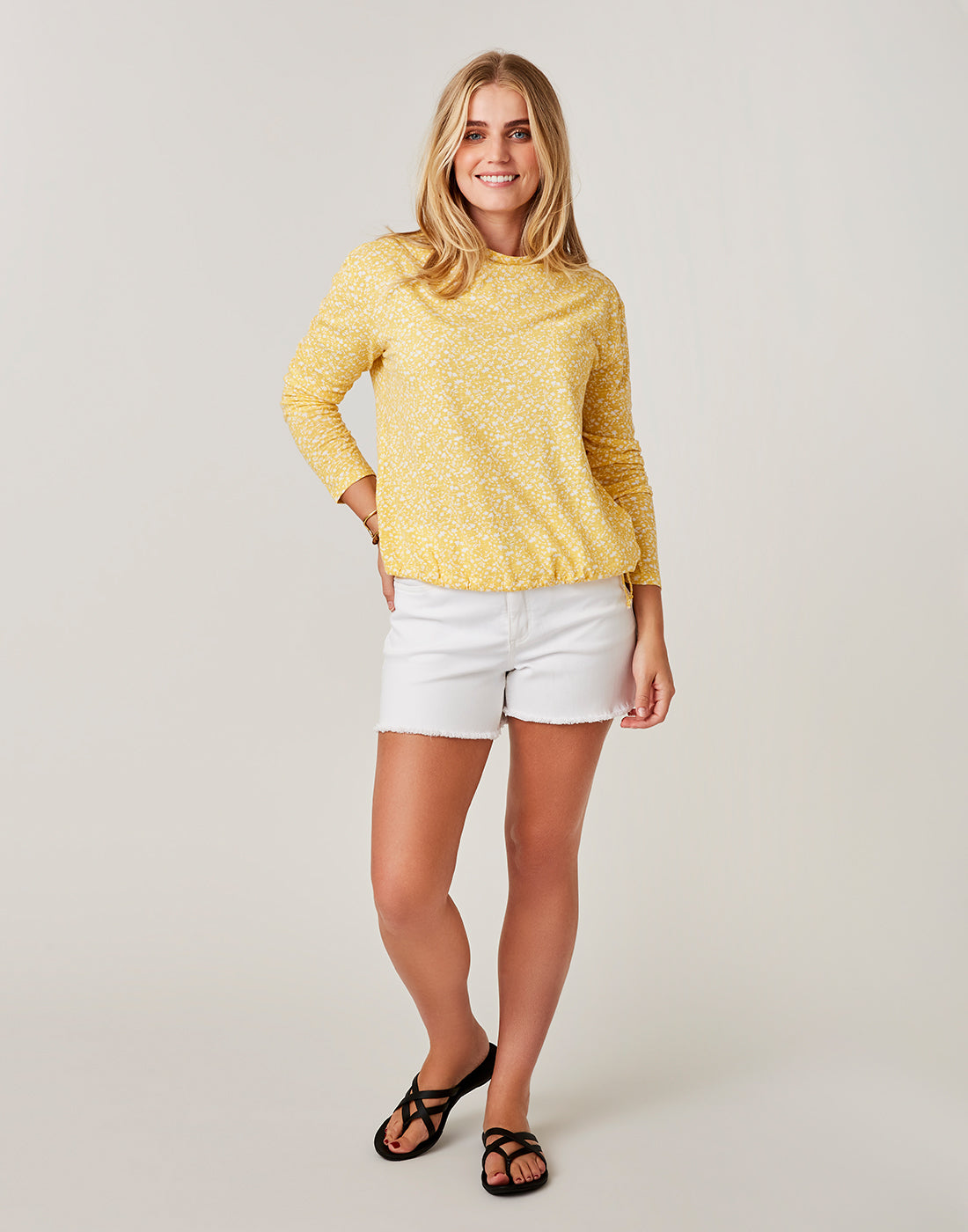
Women’s white beach shorts bring an easy, clean-lined feel to days that move between the sand and everything just beyond it. The appeal is partly practical: white pairs naturally with a favorite swimsuit, a faded cotton shirt, or a soft sweater pulled on when the breeze picks up. It also has a way of making familiar beach-day outfits feel fresh without asking for much styling. A loose button-front shirt and flat sandals can take the same shorts from a shaded porch to a waterfront lunch, while a tank and sneakers suit a morning spent exploring a coastal town. Within that everyday versatility,
White Beach Shorts can serve different purposes depending on their fabric, cut, and construction. An airy woven pair may feel especially comfortable over a dry swimsuit, while a style designed with stretch can offer more freedom for climbing beach steps or settling onto a picnic blanket. Beach shorts are not necessarily swim shorts, though; unless the fabric and design are intended for swimming, their best role is beside the water rather than in it. That distinction matters when the day includes both a dip and a long walk back to the rental house. During cooler months, white shorts still earn a place in a suitcase headed somewhere sunny, and they pair easily with light layers for mornings that start cool and afternoons that turn warm. Their neutral color leaves room for personal style, whether that means a striped top, a bright rash guard, or soft shades of sand and blue. They can also make a thoughtful gift for someone who loves coastal getaways, especially when their preferred rise, inseam, and size are already familiar. The most useful pair is one that fits the wearer’s actual routine, from reading beneath an umbrella to carrying towels, snacks, and a slightly sandy beach bag back to the car.
Fabric makes a noticeable difference in how white beach shorts look and feel over a full day. Cotton often offers a soft, breathable feel for casual wear, although it can hold moisture and take longer to dry after contact with a wet swimsuit. Linen brings an airy texture and a naturally relaxed finish; its creases are part of the character rather than a sign that the outfit has gone off course. Blended fabrics may balance softness with stretch or quicker drying, depending on their composition, so the fiber content and care label are more useful than appearance alone. Where organic cotton or recycled fibers are specified, those details can help shoppers choose materials that align with their preferences without assuming every white fabric has the same sourcing story. Fabric weight deserves attention, too. A very light weave can feel lovely in warm air but may offer less opacity, particularly in bright sunlight or when damp. A denser weave or lining can provide more coverage, though additional layers may feel warmer and take longer to dry. Trying white shorts in daylight, with the underlayers or swimsuit they will actually be worn over, gives a clearer picture than a quick look indoors. Fit is equally personal. A higher rise may sit comfortably at the waist beneath a tucked shirt, while a lower rise creates a different feel through the torso. Elastic waistbands can allow flexibility, and an adjustable drawcord can help fine-tune the fit, but neither should need to be pulled tight to keep the shorts comfortably in place. Through the hips and thighs, enough room to sit, bend, and take a full stride matters more than the size printed on the label. Inseam length changes both coverage and the feel of the silhouette: shorter cuts leave more leg exposed, while longer cuts can offer extra coverage when sitting or walking. Pocket placement is worth noticing as well, since bulky contents can pull at lightweight fabric and show more clearly against white.
Keeping white beach shorts looking fresh starts with care that respects the fabric rather than treating every mark as a laundry emergency. Sand is easier to shake out once it is dry, and emptying pockets before washing helps keep grit from following the shorts into the next outing. Sunscreen, food, and the occasional brush against a weathered bench can leave traces, so prompt spot treatment with a fabric-appropriate product is usually gentler than repeated heavy washing. Testing a treatment on a hidden area first is especially useful with textured fabrics or blends. The care label should set the washing temperature, drying method, and whether bleach is suitable; chlorine bleach is not a universal fix for white clothing and can damage certain fibers or finishes. Washing with compatible light colors helps reduce dye transfer, while avoiding an overloaded machine gives fabric room to rinse clean. Too much detergent can leave residue, so a measured amount generally serves better than an extra pour. Before using heat, check that a stain has lifted, since a dryer can make some marks harder to remove. Air drying may help limit heat exposure where the care instructions allow it, and storing shorts only after they are fully dry keeps them ready for the next trip. Durability also begins before the first wash. Secure seams, neatly finished hems, and well-attached closures are useful details to look for, particularly if the shorts will spend plenty of time in a travel bag or in regular rotation. A comfortable fit helps here, too: fabric that is constantly strained across the seat or pockets can wear differently from fabric with enough room to move. Packing white shorts beside clean, colorfast clothing and keeping wet swimwear separate can prevent avoidable stains on the journey home. With a little thoughtful care, this simple beach staple can stay easy to reach for long after a vacation ends, ready for another sunny afternoon, another shoreline walk, or simply a day that calls for a lighter mood.