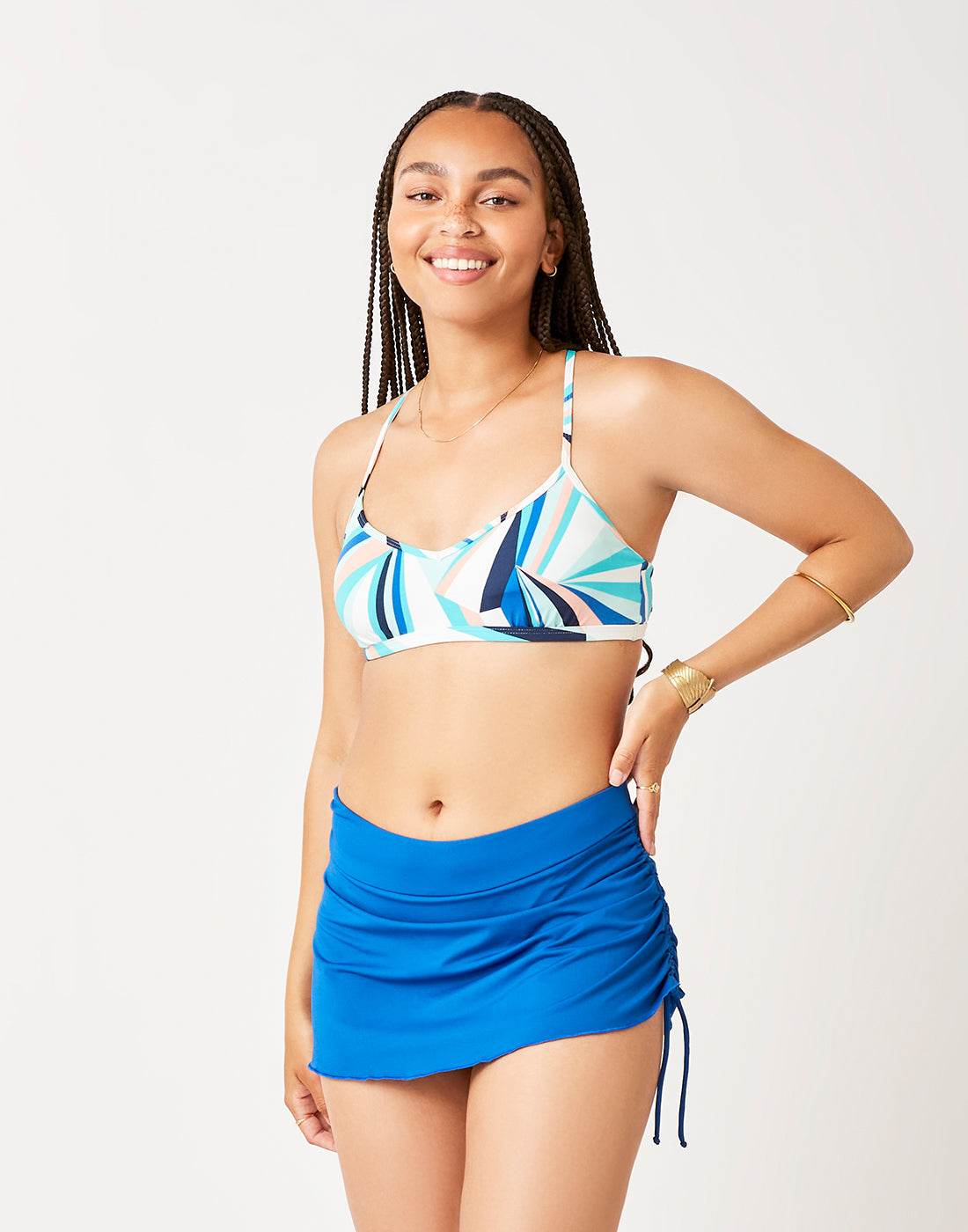
Island swimwear brings together bikinis, one-piece swimsuits, tankinis, and swim-ready layers suited to warm-water escapes, beach days, and time outdoors. The theme is less about a single silhouette than a balance of comfortable fit, practical coverage, and color that feels at home beside turquoise water. Tropical prints, ocean blues, sun-washed shades, and textured solids can all capture that easygoing spirit without turning a suitcase into a costume trunk. A simple solid can feel just as island-ready as a leafy print, especially when paired with a breezy shirt or a favorite pair of shorts. For travelers heading somewhere warm during the cooler months, versatile swimwear helps bridge the distance between a chilly departure and that first barefoot walk across the sand. Different days call for different details: a leisurely float leaves room for delicate straps, while snorkeling, swimming laps, or climbing back onto a paddleboard may feel better in a suit with secure straps and a closer, supportive fit. A one-piece offers a continuous silhouette and can double as a casual layer beneath a skirt or shorts once dry. Bikini separates allow different sizes on top and bottom, making them especially useful when standard set sizing does not match individual proportions. Tankinis offer another option for those who like the flexibility of separates with more torso coverage. Rash guards and swim shorts can add coverage for extended time outdoors or activities that involve contact with a board. None of these shapes belongs to just one body type or age; the right choice follows personal comfort and the way the day is likely to unfold. Island swimwear can be playful, sporty, streamlined, or a little of each. The common thread is a suit that feels comfortable enough to stop thinking about it, whether the plan involves exploring a sheltered cove or claiming a shady spot with a paperback.
Fabric and construction make a meaningful difference in how swimwear feels beyond the fitting room. Nylon and polyester blends are common because they combine lightweight wear with fibers designed for use in water, while elastane supplies the stretch that allows a suit to move with the body. The exact blend, fabric weight, lining, and construction influence drying time, support, and how well a suit retains its shape. Recycled fibers can be part of that blend, but fiber content and care details are worth checking rather than assuming every beach-inspired suit has the same sustainability attributes. Softness matters against bare skin, particularly along the underarms, neckline, and leg openings, where rough edges can become noticeable during a long swim. Lining can contribute to coverage and comfort, while well-finished seams help reduce rubbing. Fit should feel secure without requiring constant adjustments: straps should stay in place without digging, and waistbands and leg openings should sit comfortably without pinching or rolling. For one-pieces, torso length deserves as much attention as bust and hip measurements. A suit that pulls at the shoulders or feels strained through the body may need a different length or cut rather than simply a larger size. Adjustable straps and ties offer flexibility, though they still need to be secured appropriately before active swimming. Bust support varies by design; underbands, structured cups, and wider straps can provide different kinds of support, while removable pads mainly affect shaping and coverage. A few ordinary motions reveal plenty about comfort—reaching overhead, sitting down, and bending as though picking up a beach bag. Bottom coverage is equally personal, from lighter cuts to fuller shapes, and should stay comfortable through those motions. For another look at swim silhouettes,
Top Swimwear offers a related place to explore. The goal is not to dress for an imagined beach day, but for the swimming, stretching, strolling, and relaxing that actually make a getaway feel good.
Durability is part of that easy island feeling, especially when a swimsuit will spend several days moving between salt water, pool water, and a drying rack. Stretch fabrics benefit from thoughtful handling: a fresh-water rinse after wear helps remove salt, chlorine, and loose sand, while washing according to the care label helps protect the fabric and elastic fibers. When hand washing is recommended, cool water and a mild detergent are generally gentler than a vigorous scrub. Avoid wringing a suit into a tight rope; gently pressing out excess water is kinder to its shape. Drying in a shaded, ventilated spot, away from direct heat, can help limit unnecessary stress on the fibers and color. A wet suit tucked into a bag is understandable for the trip back from the beach, but it should come out to rinse and dry as soon as practical. Rough pool edges, weathered decking, and rocky ledges can snag or abrade swim fabrics, so a towel makes a useful buffer when taking a seat. Sunscreen remains essential, though allowing it to absorb before dressing and following its label directions can help reduce transfer onto fabric. Swimwear provides coverage only where it covers the skin; verified ultraviolet protection ratings, shade, and other sun-protection habits matter for longer days outside. Packing more than one suit can give each time to dry fully between outings, and coordinating separates can create variety without filling every corner of a carry-on. For a gift, swimwear works best when the recipient’s size and preferred coverage are already familiar; an adjustable detail offers some flexibility but cannot replace a comfortable fit. Whether chosen for a tropical vacation, regular pool visits, or a quiet coastal retreat, island swimwear earns its place through repeat wear. Comfortable construction, suitable coverage, and careful upkeep support the kind of versatility that lasts beyond the itinerary, leaving more attention for the water and less for a wandering strap.