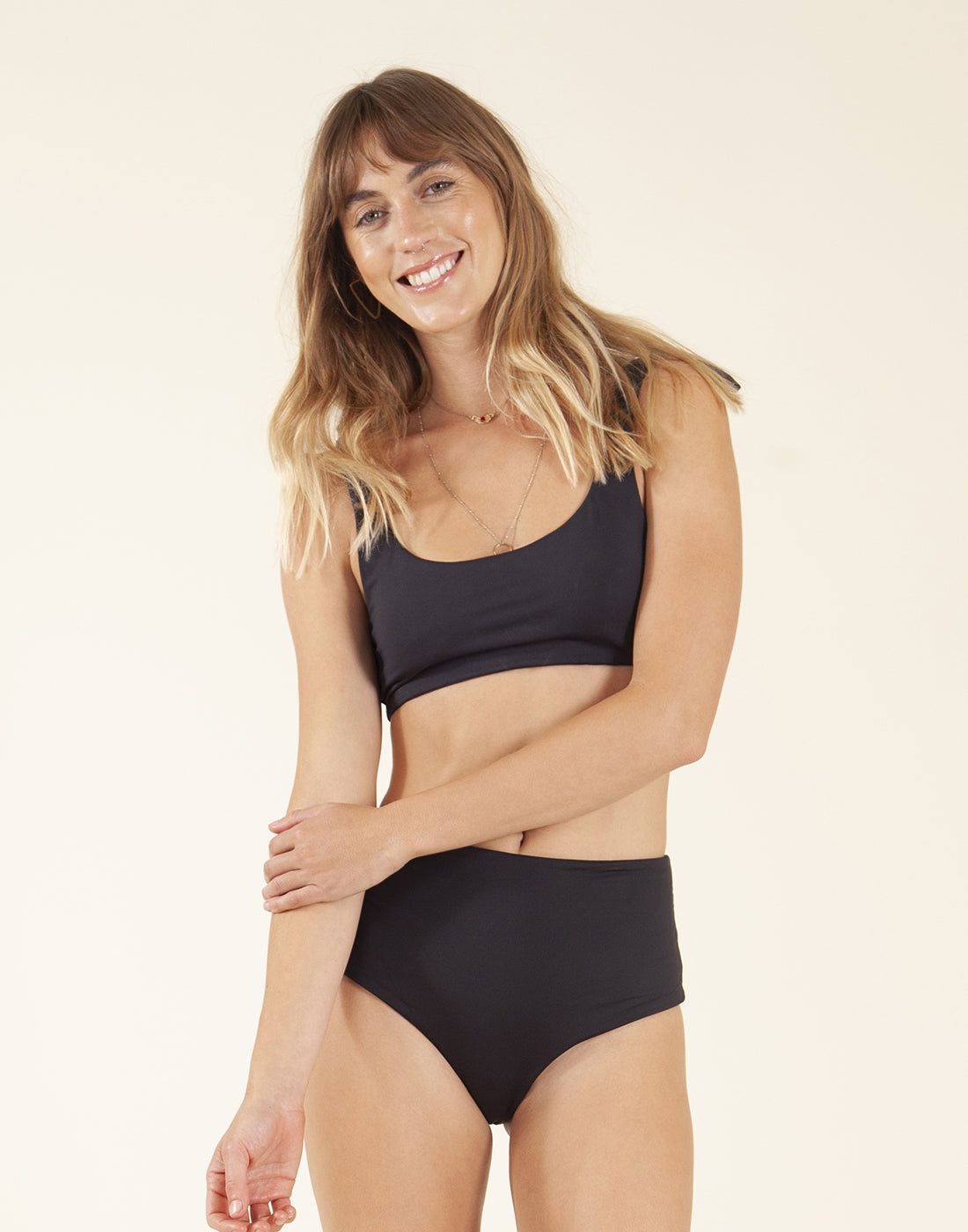
Retro high waist bikini bottoms bring a vintage-inspired silhouette to swimwear, pairing a higher rise with the freedom to mix and match a two-piece suit. The waistband typically sits near or above the belly button, although the exact position depends on the cut and the length of the wearer’s torso. That higher waist is the defining feature; it does not automatically mean full seat coverage or a low-cut leg. Some retro shapes have a lower leg opening and fuller back, recalling classic midcentury beach style, while others combine a high rise with a higher leg line or a cheekier back. The result can feel nostalgic, sporty, or quietly polished without looking like a costume borrowed from a beach movie. A defined waist, clean edges, and balanced proportions give this silhouette its staying power, whether paired with a simple triangle top, a supportive swim top, or a longer tankini. Higher leg openings can create the visual effect of a longer leg, while lower openings offer a different outline and more coverage around the hips. Neither is the better choice for a particular body shape; the right balance is the one that feels comfortable from the first walk across the sand to the last dip before dinner. Color and pattern add another layer of personality. Solid shades keep the shape in focus, stripes bring an easy nautical feel, and florals lean into the playful side of vintage swimwear. For a versatile starting point,
High Waist Black Bikini Bottoms pair naturally with printed or solid tops, making it easy to build different looks around a familiar fit. A matching set creates a continuous line, while a contrasting top gives the same bottoms a more relaxed, collected-over-time character. These are swim separates for anyone who enjoys a little extra height at the waist without giving up the flexibility of a bikini.
Comfort in a high-waisted swim bottom comes from the relationship between fabric, construction, and fit, not from the rise alone. Common swim fabrics blend nylon or polyester with elastane, sometimes labeled spandex, to provide stretch and help the fabric return to its shape. Fiber percentages tell only part of the story: the knit, fabric weight, lining, and waistband construction also influence how a bottom feels against the body. A smooth fabric can sit neatly beneath a cover-up, while a textured surface adds dimension without relying on a bold print. Lining adds another layer between skin and outer fabric and can contribute to opacity, though lighter colors and stretched fabric deserve a closer look in both dry and wet conditions. Recycled fibers are another consideration when they are identified in the fabric details; their presence should be checked rather than assumed from a beach-inspired look. For fit, waist and hip measurements are more useful than relying on a familiar clothing size alone. A comfortable waistband rests securely without digging in, folding over, or needing repeated adjustments, and the leg openings should follow the body without pinching. A high rise may land above the navel on a shorter torso and closer to it on a longer one, even in the same size. Seat coverage is a separate choice: fuller coverage provides more fabric across the back, while cheekier cuts leave more skin exposed. During a dry try-on, sitting, bending, and taking a few long steps can reveal more than standing still in front of a mirror. Someone who spends an afternoon swimming and climbing pool ladders may prioritize a secure fit through the hips, while someone settling into a lounge chair may care most about a soft waistband and smooth seams. Gentle gathering or ruching can change how fabric drapes across the front, but it should not substitute for enough room to move comfortably. The goal is a suit that follows along with the day, rather than becoming the day’s small, persistent distraction.
Retro high waist bikini bottoms work across beach weekends, poolside afternoons, warm-weather getaways, and indoor swims during the cooler months. They can offer welcome coverage through the lower torso while leaving the shoulders and midriff as open as the chosen top allows. For paddling, energetic swimming, or playing in waves, a close, stable fit matters more than a vintage label; a higher waistband by itself does not guarantee that a bottom will stay put in moving water. For quieter days, the same silhouette slips easily beneath loose shorts, a breezy skirt, or a button-front cover-up between the pool and the patio. Thoughtful care helps preserve that versatility. Salt, chlorine, sunscreen, body oils, and heat can all affect swim fabric over time, so a gentle rinse in cool fresh water after wearing is a useful habit. Washing should follow the care label, with a mild detergent and gentle handling when recommended. Avoid wringing or twisting stretch fabric; gently pressing out excess water and drying as directed, away from strong heat, is generally kinder to the fibers. Leaving a damp suit bundled in a beach bag can trap moisture, while prolonged contact with rough pool edges, textured chairs, or rocks may cause snags and pilling. A towel beneath the seat offers a simple buffer without making a pool day feel precious. No swimsuit is immune to wear, and durability depends on the fabric, construction, frequency of use, and exposure to pool chemicals and heat. Alternating between suits when possible gives each time to dry fully, and storing swimwear clean and dry keeps it ready for the next escape. As a gift, swim separates are most personal when the recipient’s size, preferred rise, and coverage preferences are already known; a favorite color alone cannot tell the whole fit story. For a personal swim wardrobe, the lasting appeal is straightforward: a recognizable silhouette, flexible styling, and coverage chosen on individual terms. Vintage inspiration sets the mood, but comfort is what earns a pair a place in the beach bag again and again.