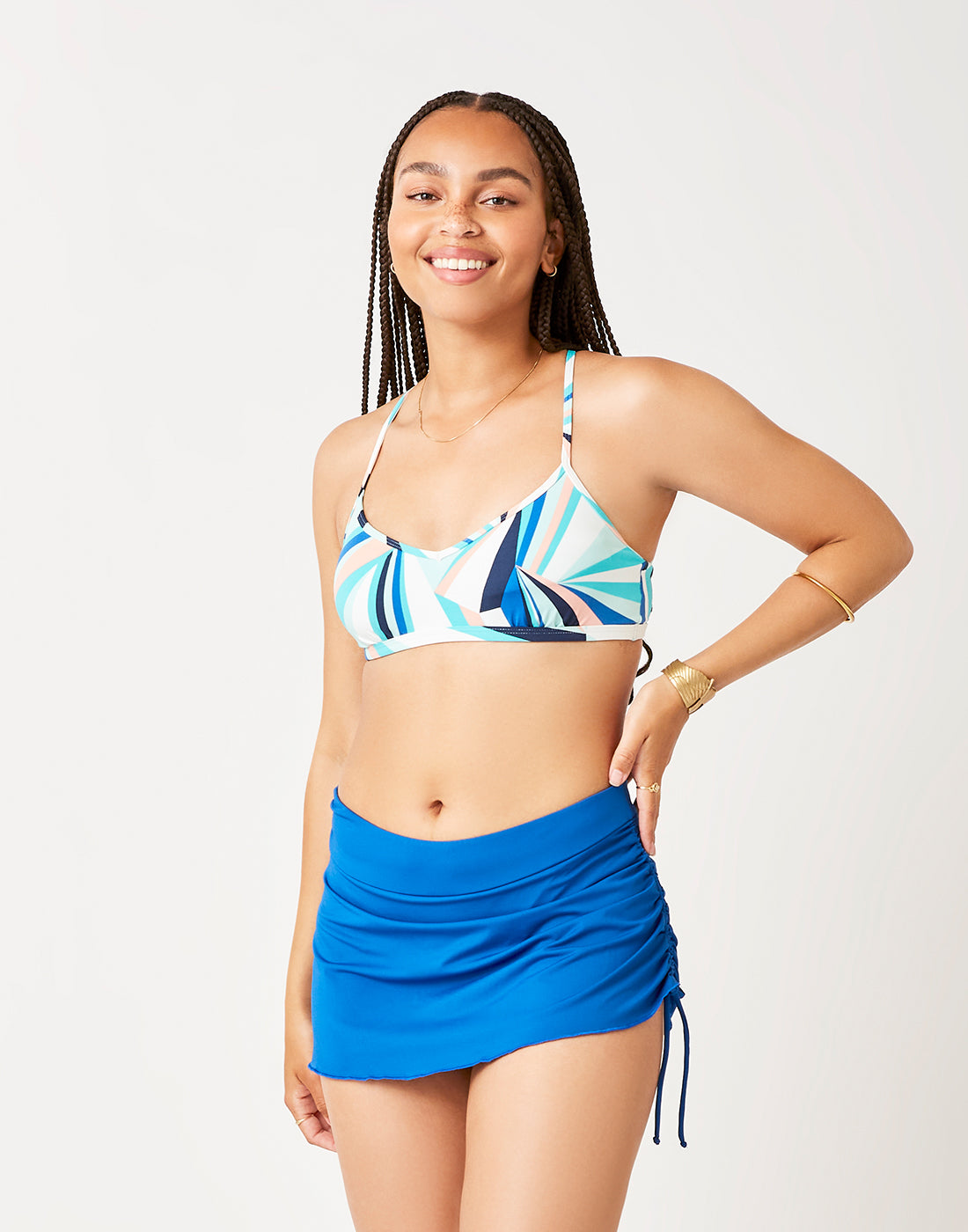
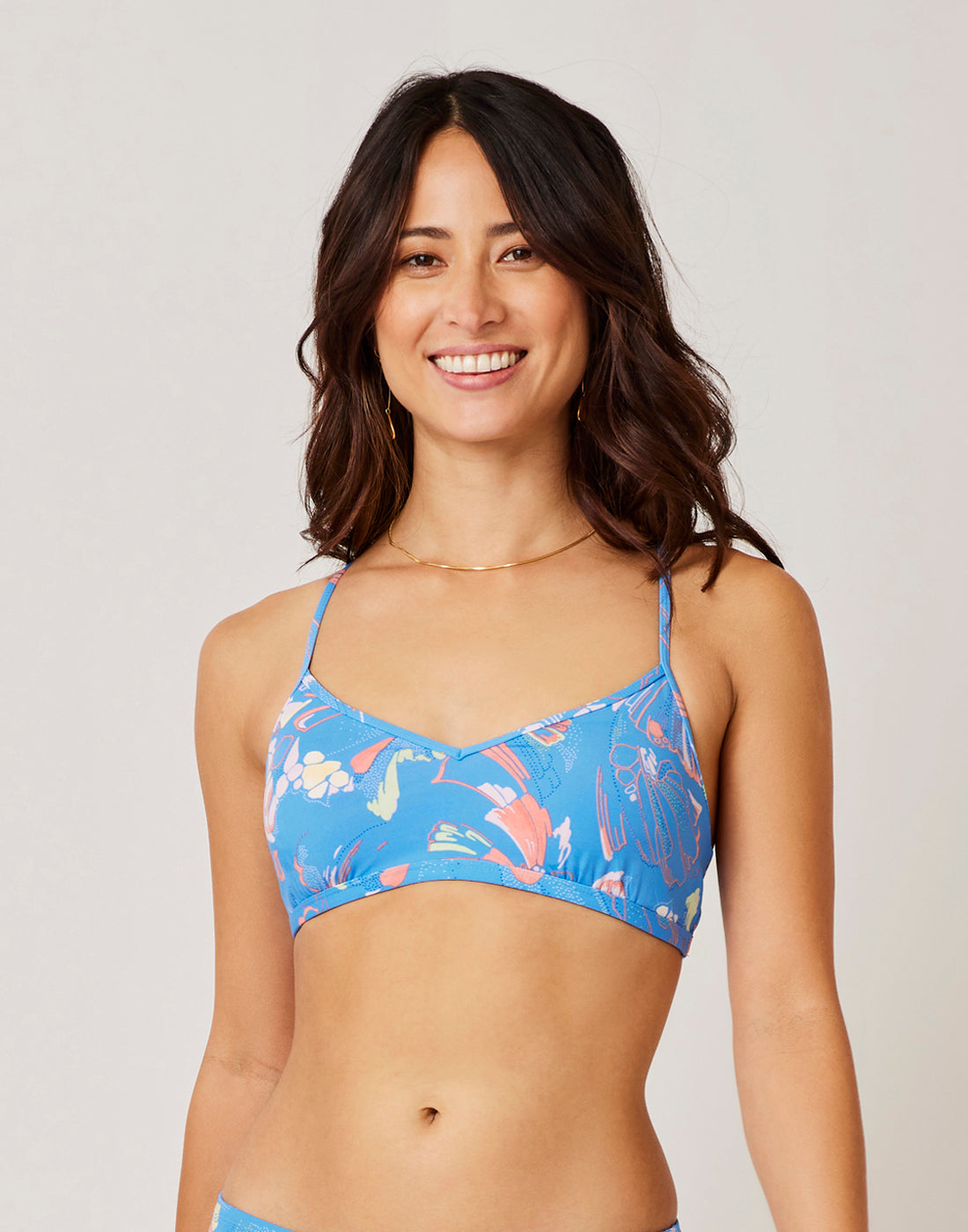
Swimwear essentials bring together a well-fitting swimsuit, an easy cover-up, and practical accessories that make time beside the water more comfortable. A one-piece, bikini, or tankini forms the foundation, while a towel, sun hat, sunglasses, sunscreen, and a bag for damp belongings round out the everyday beach or pool lineup. The best combination depends less on packing everything and more on having pieces that suit the way the day unfolds: a few laps before breakfast, a paddle across a quiet cove, or an afternoon with a paperback and sandy feet. One-piece swimsuits offer a connected silhouette that can feel secure for swimming and play, though their fit depends on torso length as much as overall size. Bikinis allow tops and bottoms to be sized separately, making them useful for anyone whose proportions call for a different fit above and below the waist. Tankinis offer the flexibility of separates with additional torso coverage, especially appealing when easy changing is part of the plan. Across these shapes, adjustable straps, secure closures, and thoughtfully placed lining can make a noticeable difference in comfort. Support comes from the whole design, including the underband, cup construction, and fabric, rather than a single feature alone. A suit should stay close to the body without pinching, digging, or leaving gaps when sitting, reaching, and bending. For active swimming, a stable neckline and straps that stay in place matter more than how a suit looks while standing still. For relaxed pool days, softer construction or a less structured silhouette may feel just right. Coverage is a personal preference, not a rule tied to body shape; high-rise bottoms, fuller seats, and higher necklines simply offer different ways to feel at ease. Exploring
Top Swimwear can help bring those preferences into focus, whether the priority is flexible separates, an uncomplicated one-piece, or a silhouette that moves comfortably from the first dip to the last towel-dry.
Fabric plays a quiet but important role in how swimwear feels, dries, and holds its shape. Many swimsuits blend nylon or polyester with elastane, combining a smooth surface with stretch that follows the body. Nylon blends often have a soft hand, while some polyester fabrics are engineered for frequent pool use; actual chlorine resistance depends on the construction and the manufacturer's specifications. Stretch recovery matters, too: fabric that returns to its original shape helps a suit maintain its fit through repeated wear. Recycled fibers can reduce reliance on virgin raw materials, but recycled content alone does not establish how supportive, durable, or quick-drying a swimsuit will be. Those qualities still depend on the blend, knit, lining, and care. A lined suit may feel more substantial and provide greater opacity, while textured fabrics can add visual depth without relying on a bold print. Flat, smooth seams are worth noticing anywhere fabric rubs during a long swim or a seated stretch on a paddleboard. For breezy cover-ups, cotton offers softness and breathability, while linen has an airy feel and a naturally relaxed texture. Neither should be assumed to dry as quickly as a purpose-built performance fabric, especially when pulled over a soaking swimsuit. A loose shirt, pull-on shorts, or an easy dress makes the transition from water to a casual lunch feel less like a costume change. During cooler weather, a dry layer becomes especially welcome after an indoor swim or when a coastal breeze picks up. Sun protection belongs in the same thoughtful setup: broad-spectrum sunscreen, a wide-brimmed hat, and sunglasses with ultraviolet protection serve different roles. Clothing labeled with an ultraviolet protection factor provides tested coverage for the areas it covers; an ordinary cover-up should not automatically be treated as equivalent protection. Long-sleeve swim layers can also add comfortable coverage for paddling or extended time outside, provided their fit allows free shoulder motion and their intended use matches the activity.
Care and everyday handling help swimwear essentials earn their place beyond a single getaway. A freshwater rinse soon after swimming helps remove salt, chlorine, sunscreen residue, and fine sand before they linger in the fabric. Follow the care label for washing, use a mild detergent when appropriate, and avoid bleach or fabric softener unless the instructions specifically allow them. Gentle handling is kinder to stretch fibers than vigorous wringing; pressing out excess water and drying in the shade, according to the label, can help preserve shape and color. Direct heat from a dryer, radiator, or hot tub can be hard on elastic fibers, and rough pool edges can snag or abrade an otherwise sturdy suit. Sitting on a towel is a small habit with a useful payoff. A second suit can be practical on a swim-heavy trip, giving each one time to dry rather than spending the entire vacation damp in a bag. Towels deserve similar consideration: lightweight, compact styles take up less room in a tote, while plush cotton can feel especially cozy after a cool-water swim, though it usually needs more drying time. A separate wet bag keeps damp swimwear away from a book or clean clothes for the trip home, but wet belongings should be unpacked promptly. Water-resistant and waterproof are not interchangeable, so a pouch intended to protect a phone or keys needs a rating suited to the likely exposure. These details make a streamlined swim bag useful for regular pool visits, warm-weather escapes during the cooler months, and spontaneous afternoons along the coast. Swimwear can also be a thoughtful gift when the recipient's size, preferred support, and coverage choices are known; towels and relaxed cover-ups leave more room for flexibility when those details are less certain. The most lasting essentials are the ones that feel natural to reach for: comfortable against the skin, dependable in the water, and easy enough to care for that the next outing starts with a packed bag rather than a wardrobe puzzle.